
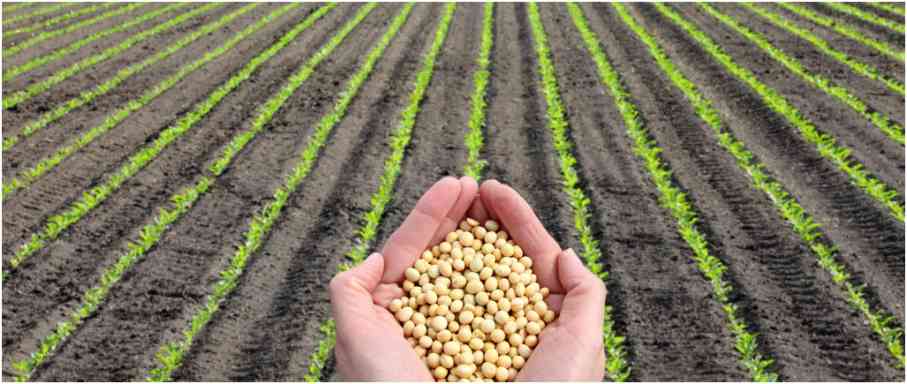
Transitioning a farm from one generation to the next is no simple task. The intertwining of family dynamics with business operations requires a deliberate approach to ensure the legacy of agricultural endeavours endures.
This is where the critical process of farm succession planning steps into the foreground. It is an intricate, multi-faceted process that not only secures a family’s heritage but also its financial health and the livelihood of future generations.
The Significance of Farm Succession Planning
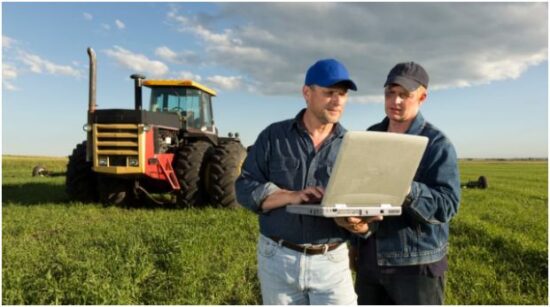
As a fundamental strategic venture, succession planning in agriculture guarantees that roles, responsibilities, and resources are passed on in an orderly and harmonious manner. It holds the key to the sustainability of the farm as a business entity as well as the family’s source of income.
Succession planning is about foresight. It involves visualising the farm’s future, setting long-term objectives, and plotting a clear path towards those goals. This vision serves as a guide in steering the family and the farm towards a thriving future.
Ignoring succession planning can lead to unforeseen consequences. A lack of planning can culminate in financial strain, legal complications, and family disputes, potentially leading to the dismantling of the agricultural legacy that took generations to establish.
Understanding the Process
The process of farm succession planning is multifaceted, usually encompassing legal, financial, and emotional considerations. It is about more than just handing over the keys; it is a transition of management, ownership, and ultimately, stewardship.
Synchronising family expectations, assessing the viability of the farm’s future, and the legal structuring of ownership form the bedrock of an effective succession plan. Each aspect requires meticulous attention and an understanding of the long-term impact on all parties involved.
The emotional dynamics must not be underestimated, either. Succession planning often intersects with sensitive family issues, necessitating open dialogue and clear communication. Sometimes, drawing on external counsel or a facilitator can help steer conversations and maintain focus on the core objectives.
Key Components of a Successful Plan
Creating a robust succession plan involves several key components. These include the involvement of the family, an analysis of the farm’s finances and operations, legal provisions for transfer of ownership, and contingency measures for unexpected events.
Open family dialogue is paramount when considering the future of the farm. Each member’s aspirations, concerns, and suggestions need to be clarified and harmonised with the greater family goals.
Furthermore, a transparent evaluation of the farm’s current standing and future potential is indispensable. This will inform decisions surrounding the investment in resources, modifications to operations, and the financial structuring necessary to support the transition.
Legal mechanisms to facilitate the transfer of assets and ownership are essential. Various instruments such as wills, trusts, and ownership structures become part of this toolkit, requiring due diligence and oftentimes, expert legal advice.
Lastly, contingency planning addresses the unknowns. Death, divorce, disability, and dispute are all factors that can derail even the most well-intentioned plans. A succession plan that comprehensively covers these areas ensures resilience in the face of adversity.
Pitfalls to Avoid
Several common pitfalls can spell trouble for farm succession efforts. Procrastination, for one, is a significant hurdle. The complex nature of succession planning might encourage delay, but the reality is that the earlier the process begins, the better.
A lack of formality in the planning process is another trap. Oral agreements or vague understandings can lead to assumptions and misunderstandings. A formal, written plan, reviewed and updated regularly, provides clarity and direction.
Not involving all stakeholders is a potential source of contention, too. Each family member affected by the succession should have input into the planning process, ensuring their engagement and commitment to the shared vision.
Avoiding professional advice may also jeopardise a seamless transition. Experts in farm succession planning can offer invaluable insights into legal structures, tax implications, and other technical aspects crucial for an effective plan.
The Role of Professional Advisors

Seeking professional guidance is not just a step in farm succession planning; it can often be a leap towards success. Specialist solicitors, accountors, and business advisors play a pivotal role in crafting and executing a feasible and structured plan.
The advisors bring an objective viewpoint, expert knowledge of legal requirements, and familiarity with the intricacies of land transfer laws. They can also act as mediators during tough discussions, preserving family harmony amid business decisions.
An integral component of professional advice is the tailor-made nature of the guidance provided. Every farm and family situation is different, requiring a bespoke approach to the succession plan. With professional support, the idiosyncrasies of each unique scenario can be accommodated, ensuring a personalised and thorough plan.
Conclusion
The journey of farm succession planning is undoubtedly complex and deeply personal. It touches on the very essence of a family’s legacy and its relationship with the land and community. However, with forward-thinking, careful planning, and expert advice, it can be a process that cements an agricultural legacy for generations to come.
As the agriculture sector continues to evolve, adapting to new technologies and markets, so too must the approaches to succession planning. It is an ongoing process of growth, learning, and adaptation, ensuring that the farm remains at the heart of the family and the community, continuing to feed the nation and the world.
In sum, farm succession planning is not an optional extra but a necessity for continuity in the agricultural industry, and an essential undertaking for any family looking to preserve their agricultural heritage and secure their future.