Building or buying a new home is one of the most significant investments you’ll ever make. And while the floor plan and location tend to grab most of the attention, it’s the interior features that determine how well your home actually functions day to day. The right choices can add lasting value, improve livability, and make every room feel intentional—not just assembled.
Here are seven interior features worth prioritizing from the start.
1. Quality Kitchen Countertops
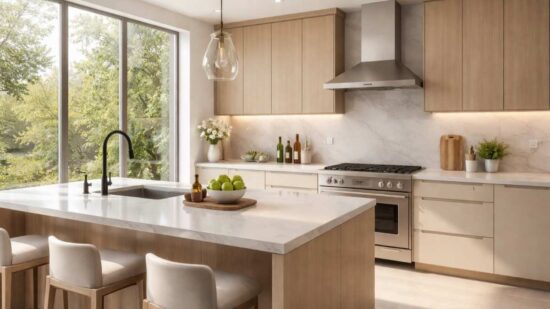
The kitchen is the heart of the home, and the countertops are its workhorse. A quality surface needs to hold up against heat, stains, and daily wear—while still looking great doing it. Materials like quartz, granite, and quartzite offer a compelling mix of durability and aesthetic appeal. If you’re building or remodeling in the area, investing in professional kitchen countertops in Salt Lake City UT ensures you get custom fabrication and expert installation that elevates the entire space.
2. Ample Built-In Storage
Clutter is the enemy of a well-designed home. Built-in storage—whether it’s floor-to-ceiling cabinetry, a mudroom with dedicated cubbies, or a walk-in pantry—keeps everyday items organized and out of sight. According to the National Association of Home Builders, storage space consistently ranks among the top priorities for new home buyers. The key is to plan storage into the design early, rather than trying to retrofit it later.
3. Open-Concept Living Areas
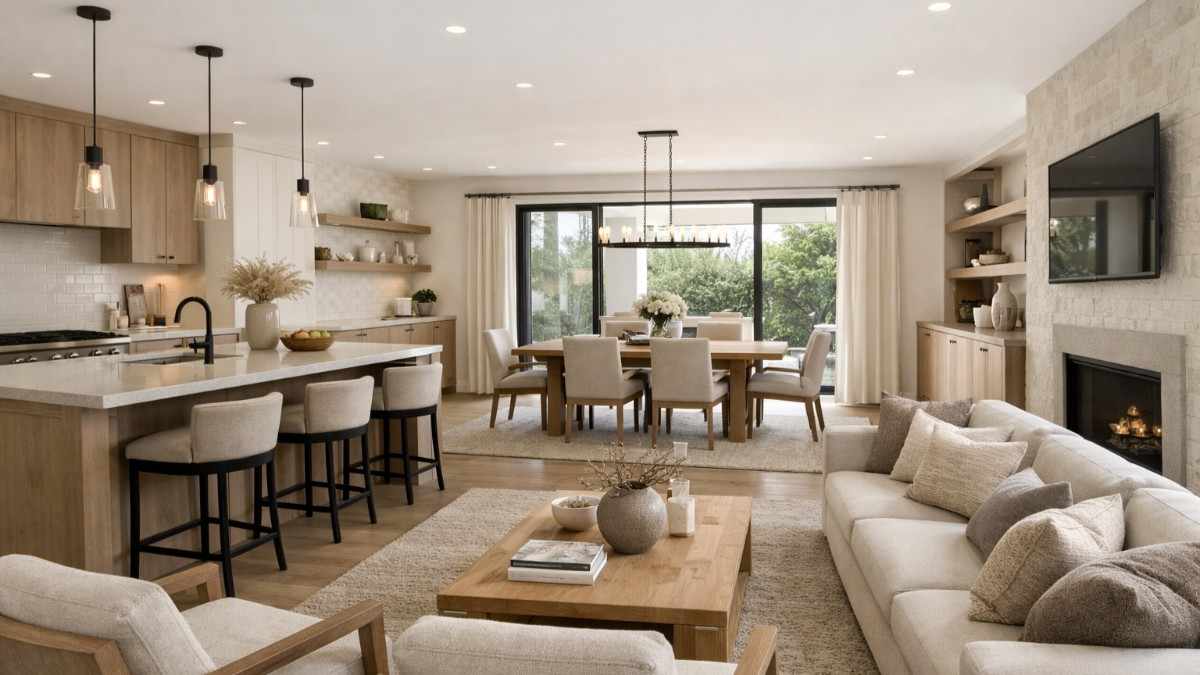
Open-plan layouts have remained a dominant trend in residential design for good reason. Removing walls between the kitchen, dining, and living areas creates a sense of spaciousness, improves natural light flow, and makes entertaining far more practical. That said, balance matters. Defined zones within an open plan—achieved through rugs, lighting, or partial walls—help each area feel purposeful rather than unfinished.
4. High-Quality Flooring
Flooring sets the tone for every room it runs through. Hardwood remains a timeless choice, adding warmth and consistently boosting resale value—homes with hardwood floors sell for 2.5% more on average, according to the National Wood Flooring Association. For high-traffic or moisture-prone areas at home like bathrooms and laundry rooms, porcelain tile or luxury vinyl plank are smart, durable alternatives. Whatever material you choose, invest in proper subfloor preparation—it makes all the difference in longevity.
5. Energy-Efficient Windows
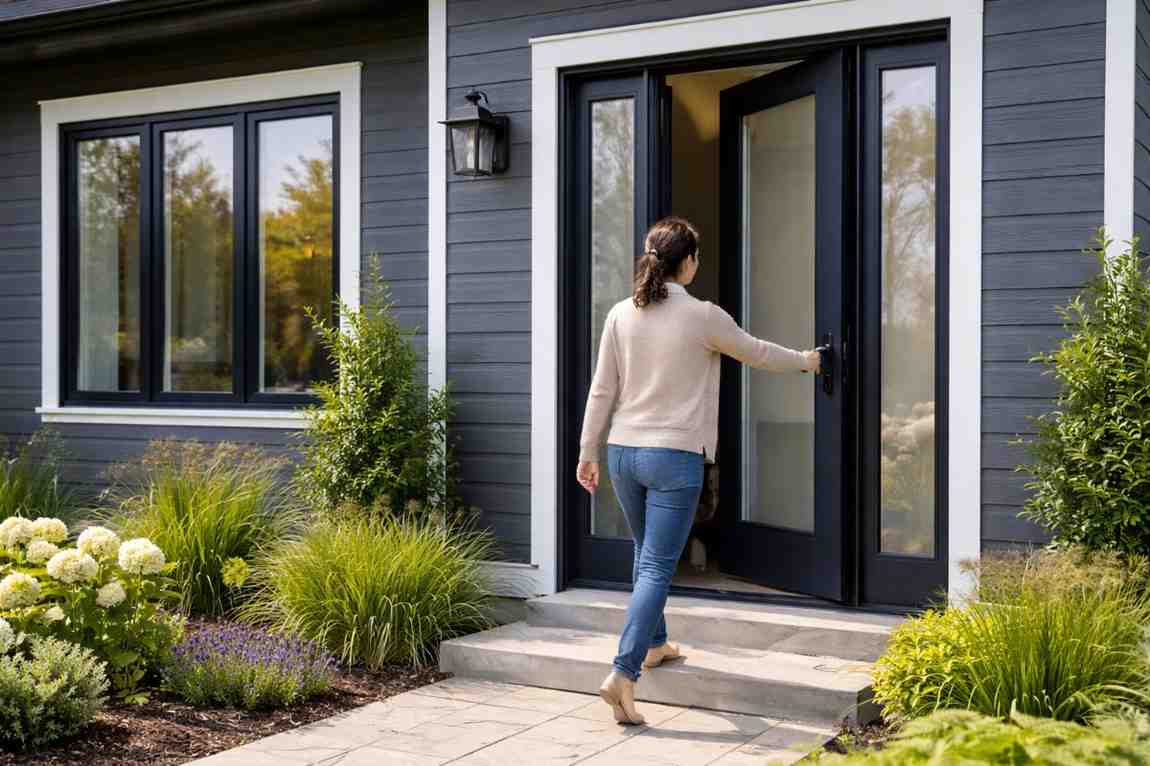
Windows do more than frame a view. High-performance, double- or triple-paned windows reduce heat transfer, lower energy bills, and minimize outside noise. The U.S. Department of Energy estimates that heat gain and loss through windows accounts for 25–30% of residential heating and cooling energy use. Choosing ENERGY STAR-certified windows from the outset is a straightforward way to reduce ongoing costs without sacrificing natural light.
6. A Well-Designed Primary Bathroom
The primary bathroom has evolved from a purely functional space into a personal retreat. Features like a double vanity, a walk-in shower with quality tile work, and thoughtful lighting make a meaningful difference in how the space feels at the start and end of each day. A well-finished bathroom also adds significant value at resale—Remodeling Magazine’s Cost vs. Value report consistently lists bathroom upgrades among the highest-returning renovations. Heated floors and a freestanding tub are worth considering if the budget allows.
7. Smart Home Infrastructure

Wiring a new home for smart technology is significantly easier—and cheaper—to do during construction than after. This includes pre-wiring for surround sound, structured network cabling for reliable Wi-Fi coverage, smart thermostat compatibility, and rough-in for EV charging in the garage. As smart home adoption grows, buyers increasingly expect these capabilities. Building them in from the start future-proofs the home and adds genuine convenience to everyday living.
Build With Intention
A new home is a blank canvas, and the features you choose from the beginning shape how it looks, feels, and functions for years to come. Get ready for your next home upgrade from the countertops in your kitchen to the windows framing your backyard, every detail adds up. Prioritize quality where it counts, plan for how you actually live, and don’t treat the interior finishes as an afterthought—they’re what turn a house into a home.