Older homes have a certain charm, but their vintage aesthetic can hide a dangerous reality: outdated electrical systems. These homes weren’t built for today’s tech-heavy lifestyles, and their electrical infrastructure is often pushed beyond its limits, creating significant fire hazards. This guide will help you spot the warning signs and learn how to safely update your system.
What are common electrical hazards in older homes?
Electrical standards have evolved drastically over the last century. Systems that were considered cutting-edge in the 1940s are now recognized as dangerous liabilities. Identifying the specific type of wiring or panel in your home is crucial for assessing your risk level.
Knob-and-Tube Wiring
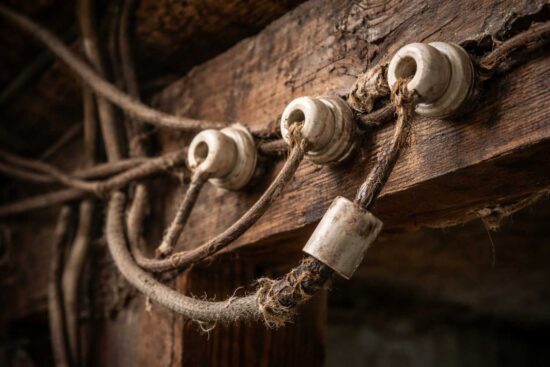
If your home was built before 1950, there is a chance it still contains knob-and-tube wiring. This system uses ceramic knobs to support single-insulated copper wires passing through lumber framing, with ceramic tubes protecting wires as they pass through beams.
While knob-and-tube wiring isn’t inherently dangerous when intact, it becomes a major hazard as it ages. The insulation on these wires is often made of rubber or cloth, which can become brittle and crack over time, exposing live wires. Furthermore, this type of wiring lacks a ground wire, meaning there is no safety path for stray electricity to discharge, significantly increasing the risk of shock and damage to sensitive electronics.
Outdated Fuse Boxes
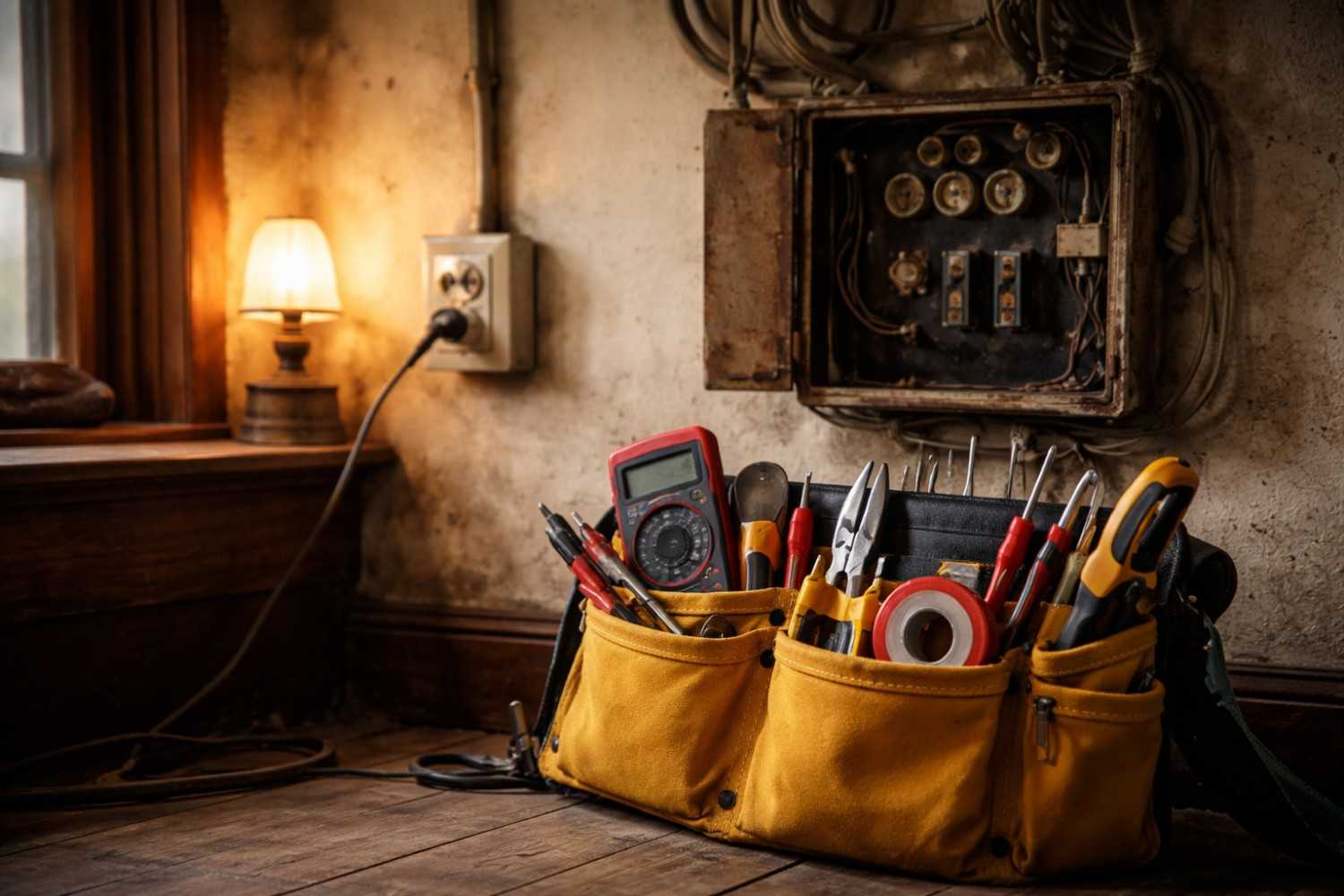
Modern homes use circuit breaker panels, which trip (switch off) when the electrical load becomes too high. Many older homes, however, still rely on fuse boxes. In a fuse box, a filament melts to break the circuit when overloaded. While they function similarly to breakers, they are much less convenient and often less safe due to user error.
The biggest danger with fuse boxes is homeowners tampering with them. If a fuse keeps blowing, frustrated residents might replace a standard 15-amp fuse with a 20- or 30-amp fuse. This allows more current to flow through wires that aren’t rated for it, causing the wires to overheat and potentially start a fire inside the walls.
Ungrounded Outlets
Have you ever noticed outlets in older homes that only have two slots instead of the modern three? These are ungrounded outlets. The third prong on a modern plug connects to a ground wire, which acts as an emergency escape route for electricity if a fault occurs.
Without this grounding pathway, unstable electricity has nowhere to go but through nearby materials—or through you. This poses a significant shock hazard and puts your expensive appliances at risk of being fried by power surges.
What are the signs of electrical problems?
Electrical issues often start quietly. You might not see sparks flying, but your home will give you subtle clues that the system is struggling to keep up with demand. Recognizing these early warning signs can save you from a catastrophic failure later.
Flickering or Dimming Lights
Lights that flicker or dim when you turn on a high-powered appliance, like a vacuum cleaner or microwave, indicate an overloaded circuit. It means the appliance is drawing so much power that there isn’t enough left for the lights. In older homes, this often suggests that the electrical service panel is undersized for modern needs or that there are loose connections in the wiring.
Persistent Burning Smells
A distinct, acrid smell of burning plastic is a serious red flag. This odor typically comes from wire insulation overheating and melting. If you smell this near an outlet or switch, stop using it immediately. If the smell is coming from your fuse box or breaker panel, it is an emergency. The heat generated by overloaded wires can ignite the surrounding building materials long before a breaker trips.
Frequently Tripping Breakers
Circuit breakers are designed to trip to protect your home. However, if you find yourself constantly resetting breakers, your system is trying to tell you something. A breaker that trips repeatedly is likely being overloaded, or there is a short circuit somewhere in the line. Ignoring this by simply flipping the switch back on—or worse, taping it open—defeats the safety mechanism and invites fire hazards.
How can homeowners perform DIY safety checks?
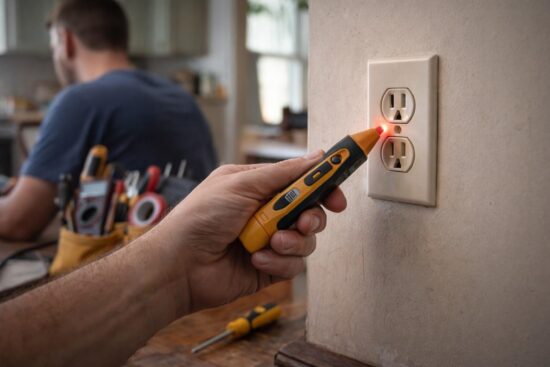
While major electrical work should always be left to professionals, there are simple observations and tests you can perform to gauge the health of your home’s system. These checks don’t require opening up walls but can reveal urgent issues.
Check Outlet Temperature
Place your hand on the wall plates of your switches and outlets. They should feel cool to the touch. If a faceplate feels warm or hot, it indicates that the connections behind it are loose or deteriorating, causing resistance and heat buildup. This is a common precursor to electrical fires.
Test GFCI Outlets
Ground Fault Circuit Interrupters (GFCIs) are the outlets with the “Test” and “Reset” buttons, usually found in kitchens and bathrooms. They are designed to cut power instantly if water creates a shock hazard. Press the “Test” button; the “Reset” button should pop out, and power to the outlet should cut. If pressing “Test” does nothing, or if the “Reset” button doesn’t pop, the safety feature has failed, and the outlet needs replacing.
Inspect Cords and Plugs
Sometimes the hazard isn’t in the wall but in how we connect to it. Inspect the power cords of your lamps and appliances. If you see frayed wires or if the plugs are loose and fall out of the outlet easily, you have a problem. Loose outlets can cause arcing—electricity jumping gaps between contacts—which generates intense heat.
When should you call a professional?
There is a fine line between being a handy homeowner and creating a dangerous situation. Electrical work is complex and strictly regulated for a reason. Mistakes don’t just lead to non-functioning lights; they lead to lethal shocks and property loss.
You need to bring in an expert if you experience buzzing sounds from outlets, if you have aluminum wiring (common in homes built between the mid-60s and early 70s), or if you need to upgrade your electrical panel.
This is where hiring the right professional matters. A general handyman might replace a light fixture, but for systemic issues, you need a licensed specialist. A contract electrician in Salt Lake City can perform a comprehensive audit of your home’s wiring, check the load capacity of your panel, and ensure that any updates meet current building codes. Unlike general maintenance workers, an electrician carries the specific liability insurance and certification required to sign off on major electrical upgrades, ensuring your home insurance remains valid.
What preventative measures can you take?
Waiting for a problem to appear is a risky strategy with electrical systems. Proactive maintenance is the best way to secure an older home.
Schedule Regular Inspections
If your home is over 40 years old, experts recommend an electrical inspection every 3 to 5 years. A professional inspection can identify degrading wiring or outdated connections that aren’t visible to the untrained eye.
Upgrade Your Panel
Many older homes run on 60-amp service, which is insufficient for a modern household. Upgrading to a 100-amp or 200-amp panel ensures you have the capacity to run central air conditioning, electric vehicles, and modern appliances safely.
Install Arc-Fault Circuit Interrupters (AFCIs)
While GFCIs protect against shock, AFCIs protect against fire. They detect dangerous arcing conditions that standard breakers might miss. Installing AFCI breakers can provide a massive safety upgrade for older wiring systems without needing to tear down walls to rewire the entire house.
Conclusion
Living in an older home requires a balance between preserving history and ensuring modern safety. The electrical system is the nervous system of your house; when it fails, the consequences can be devastating. By recognizing the risks of knob-and-tube wiring, paying attention to warning signs like flickering lights, and knowing when to call an electrician, you can enjoy the character of your vintage home without compromising on safety. Don’t let hidden risks linger in your walls—take action to inspect and upgrade your system today.