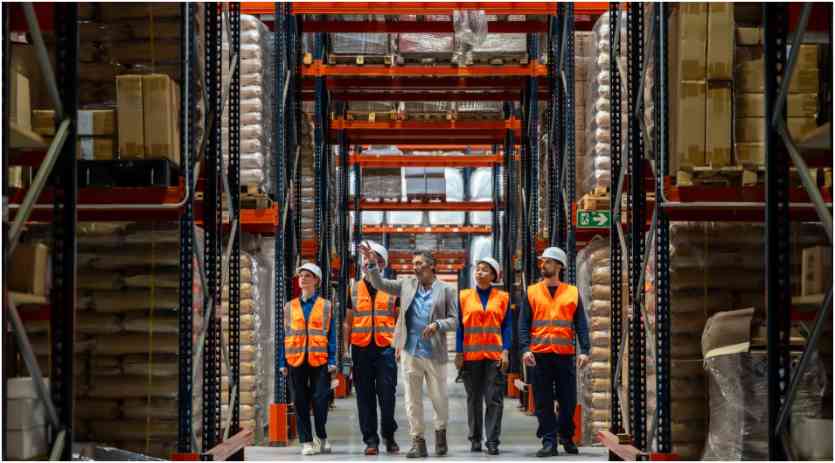
Running an industrial facility is no small feat. From machinery maintenance to employee safety, every detail counts when it comes to keeping operations efficient, productive, and compliant. Whether you manage a manufacturing plant, a processing facility, or a warehouse, adopting best practices can make the difference between downtime and success.
Prioritize Safety First
Safety isn’t just a regulatory requirement—it’s the foundation of a well-run facility. Regularly conduct safety audits and ensure all employees receive proper training on equipment use, emergency procedures, and personal protective equipment (PPE). Establish clear safety protocols and promote a culture where staff feel responsible for reporting hazards.
In addition to internal safety measures, compliance with environmental regulations is critical. For example, facilities in Idaho may need to adhere to a Stormwater Pollution Prevention Plan (SWPPP) to manage runoff and minimize environmental impact. Integrating such requirements into daily operations ensures your facility remains compliant and avoids costly fines.
Maintain Equipment for Efficiency

Downtime can be the biggest drain on productivity and profits. Implement a preventive maintenance schedule for all machinery and equipment. This includes regular inspections, lubrication, calibration, and timely replacement of worn components. Predictive maintenance using IoT sensors and monitoring systems can help detect issues before they escalate, reducing unexpected breakdowns and extending equipment lifespan.
Optimize Workflow and Layout
The physical layout of a facility can significantly affect efficiency. Design workflows that minimize unnecessary movement and streamline processes. Ensure that materials, tools, and spare parts are organized and easily accessible. Lean manufacturing principles, such as 5S (Sort, Set in order, Shine, Standardize, Sustain), can help reduce clutter and improve operational flow.
In addition, consider the integration of automation where possible. Automated systems can handle repetitive tasks, reduce human error, and allow staff to focus on more strategic work to reduce administrative stress. Even small automation improvements, like conveyor systems or automated inventory tracking, can significantly enhance productivity.
Train and Empower Staff
A well-trained team is the backbone of any industrial facility. Invest in ongoing training programs that not only teach technical skills but also emphasize problem-solving, teamwork, and safety. Encourage employees to take ownership of their tasks and involve them in process improvement initiatives.
Communication is equally important. Daily briefings, clear signage, and open channels for feedback ensure everyone understands expectations and can respond quickly to operational challenges. Facilities that foster a culture of collaboration and continuous learning often outperform those that do not.
Monitor Performance Metrics

Data-driven decision-making is key to modern industrial operations. Track key performance indicators (KPIs) such as production output, downtime, defect rates, and energy usage. Use this data to identify bottlenecks, optimize resource allocation, and refine operational strategies.
Investing in facility management software can streamline this process, providing real-time insights and predictive analytics. With better visibility, managers can make informed decisions that improve efficiency and reduce operational costs.
Emphasize Sustainability
Sustainability is no longer optional—it’s a competitive advantage. Implement practices that reduce energy consumption, minimize waste, and optimize water usage. Recycling programs, energy-efficient lighting, and eco-friendly materials contribute to both environmental responsibility and cost savings.
Integrating sustainability into operational practices can also enhance your facility’s reputation with clients, investors, and the community. For industrial facilities in Idaho, incorporating SWPPP measures not only protects the environment but also aligns with regulatory expectations, reinforcing your commitment to responsible operations.
Continuous Improvement
The most successful industrial facilities adopt a mindset of continuous improvement. Regularly review processes, solicit employee feedback, and benchmark against industry standards. Small, incremental changes often lead to significant gains in productivity, safety, remove faulty electrical wires to prevent hazardous incident and quality over time.
Encouraging a culture of innovation, whether through technology adoption, workflow optimization, or employee-led initiatives, keeps your facility competitive and adaptable in a rapidly evolving industrial landscape.
Conclusion
Operating an industrial facility efficiently requires a careful balance of safety, maintenance, workflow optimization, and sustainability.
By prioritizing safety, maintaining equipment, empowering staff, monitoring performance, and embracing continuous improvement, facility managers can gain a competitive edge. Incorporating regulatory measures such as SWPPP in Idaho ensures compliance while promoting environmental stewardship.
The industrial edge comes from foresight, planning, and the commitment to operate not just safely, but smartly. Facilities that adopt these best practices are not only more productive—they set the standard for excellence in their industry.