
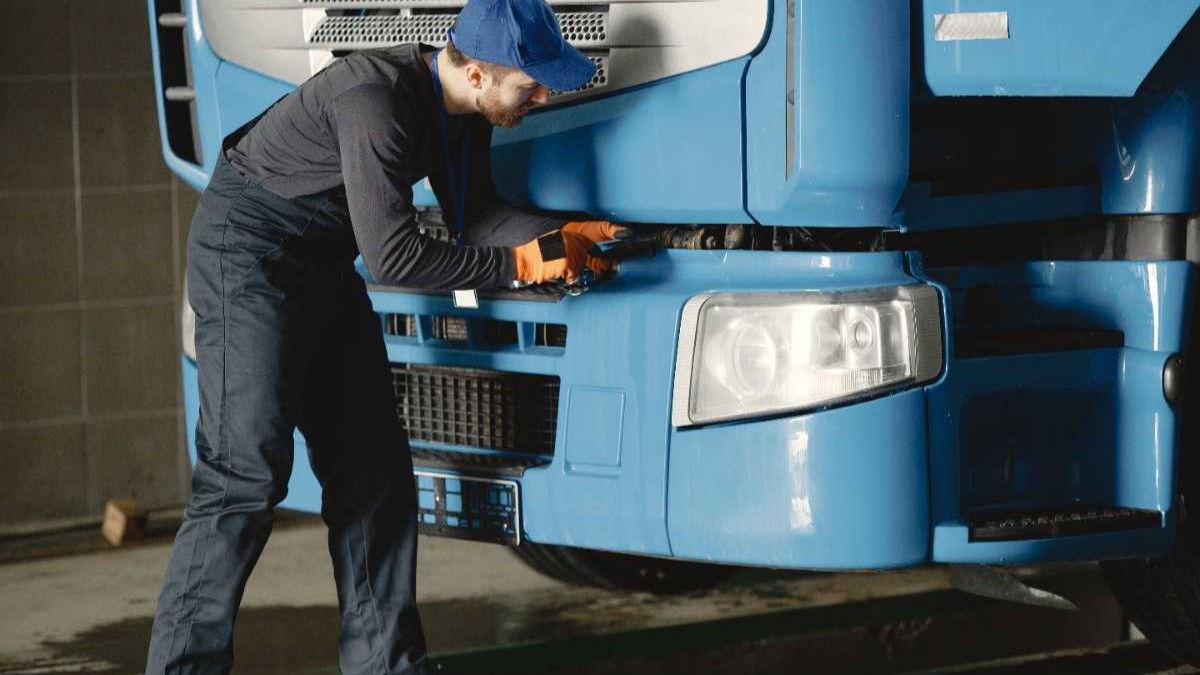
Trailers are vital for safely transporting equipment and materials, but many problems develop gradually and can lead to costly repairs or dangerous situations. Recognizing common trailer problems early and performing regular maintenance helps extend lifespan, improve safety, and ensure reliable hauling.
Tire Wear and Blowouts
Trailer tires endure heavy loads, long highway miles, and extended periods of inactivity. Uneven wear often results from improper inflation, overloading, or axle misalignment. Unlike vehicle tires that are used daily, trailer tires frequently sit unused, which can cause dry rot and sidewall cracking over time.
Preventing tire problems starts with checking air pressure before every trip. Always follow the manufacturer’s recommended PSI. Inspect tread depth and look for cracks, bulges, or uneven wear patterns. Avoid exceeding the trailer’s weight rating, as overloading significantly increases the risk of blowouts. Replacing aging tires proactively is far more cost-effective than dealing with roadside emergencies.
Brake System Failure
Brake failure is one of the most serious trailer issues. Electric brake systems can develop loose wiring connections, corrosion, or worn brake pads. When brakes do not engage properly, stopping distances increase, especially when hauling heavy equipment or materials.
To prevent brake problems, test the brake controller before every trip. Inspect wiring for corrosion or damage and ensure connectors are secure. Periodically check brake pads, drums, and magnets for wear. Keeping electrical components clean and protected from moisture reduces the risk of malfunction and improves overall safety.
Wheel Bearing Failure
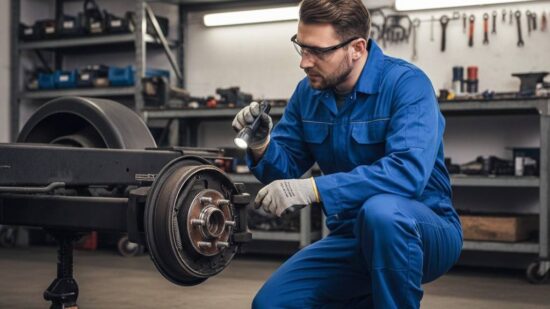
Wheel bearings allow trailer wheels to rotate smoothly. Without proper lubrication, they generate excessive heat and can seize while in motion. Bearing failure may cause damage to the axle and hub assembly, resulting in costly repairs and potential roadside breakdowns.
Regularly greasing wheel bearings according to manufacturer recommendations is essential. If you frequently haul heavy loads or travel long distances, bearings may require more frequent servicing. Signs of bearing trouble include grinding noises, excessive heat around the hub, or wheel wobbling. Addressing these warning signs immediately can prevent significant damage.
Lighting and Electrical Issues
Faulty lights are among the most common trailer problems. Wiring systems are exposed to dirt, moisture, vibration, and road debris, which can loosen connections or cause corrosion. Burned-out bulbs and damaged lenses also reduce visibility and increase accident risk.
Before towing, always test running lights, brake lights, and turn signals. Clean electrical plugs and use protective grease to minimize corrosion. Secure loose wiring and replace damaged components promptly. Maintaining proper lighting ensures compliance with traffic regulations and improves safety on the road.
Frame Rust and Structural Damage
Trailers are regularly exposed to harsh weather conditions. Rain, snow, mud, and road salt accelerate corrosion, particularly on steel frames. Over time, rust can weaken the trailer’s structure and compromise its load-bearing capacity.
Preventing structural damage begins with regular cleaning, especially after exposure to salt or moisture. Applying protective coatings or rust inhibitors helps preserve the frame. Inspect welds and joints for cracks or deterioration. Addressing minor rust spots early prevents more extensive structural repairs later.
Suspension and Axle Problems
The suspension system supports the trailer’s weight and absorbs road shock. Worn leaf springs, damaged shackles, or bent axles can cause uneven tire wear and unstable towing. Overloading is a frequent cause of suspension damage.
Inspect suspension components regularly for signs of wear or misalignment. If the trailer problems appear to sit unevenly or sways excessively while driving, it may indicate axle or suspension issues. Staying within recommended weight limits is one of the most effective ways to protect these components.
Coupler and Hitch Issues
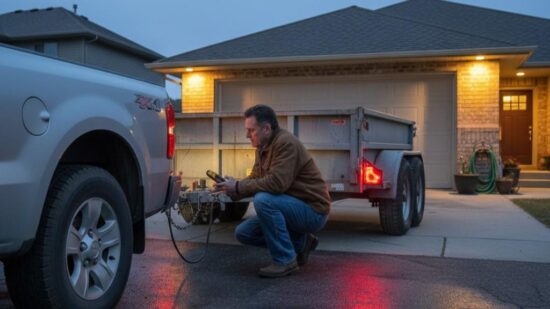
A secure hitch connection is critical for safe towing. Before towing, whether hybrid or gas vehicle, always test running lights, brake lights, and turn signals. Worn couplers, rusted mechanisms, or improper latching can lead to dangerous disconnections. Safety chains and breakaway systems must also remain in proper working condition.
Before every trip, confirm that the coupler is fully engaged and locked onto the hitch ball. Inspect safety chains for rust or weakened links. Lubricating moving parts helps prevent corrosion and ensures smooth operation.
The Importance of Routine Maintenance
Regular maintenance is essential to keep your trailer operating safely and efficiently. Small issues can quickly escalate into costly repairs if they are not addressed early. Whether you depend on a dump trailer, equipment hauler, or a small flatbed trailer for Utah job sites consistent inspections and preventive care will extend its lifespan and ensure reliable performance every time you hit the road.
Keeping maintenance records can help track service intervals and component replacements. Proper storage also plays a role in prevention. Storing trailers in a covered or dry location reduces exposure to moisture and extends their lifespan.
Conclusion
Keeping a trailer in good condition is essential for safe and efficient hauling. Many trailer problems start small and worsen over time, leading to breakdowns or expensive repairs if ignored. Regular inspections and preventive maintenance help catch problems early, extend the trailer’s lifespan, and ensure dependable performance on every trip.