Living with severe physical conditions can feel overwhelming. Chronic pain, limited mobility, and frequent medical appointments often become part of daily life, impacting not just the body but also mental health, relationships, and overall quality of life. While each person’s experience is unique, there are strategies and resources that can help manage these challenges and improve well-being.
Understanding Severe Physical Conditions
Severe physical conditions can include chronic illnesses, injuries, congenital disorders, or degenerative diseases that significantly impair daily function. These conditions often bring unpredictable symptoms such as fatigue, pain, or reduced mobility, making simple tasks feel monumental. Recognizing and accepting the nature of the condition is the first step toward managing it effectively.
Many people struggle not only with the physical symptoms but also with the emotional toll. Feelings of frustration, isolation, and anxiety are common. Understanding that these emotions are a natural response to chronic suffering can be empowering and help reduce self-blame.
Building a Support Network

A strong support network is crucial for coping with severe physical conditions. Family, friends, and caregivers can provide practical help and emotional encouragement. Support groups—both in-person and online—allow individuals to connect with others facing similar challenges, share coping strategies, and reduce feelings of isolation.
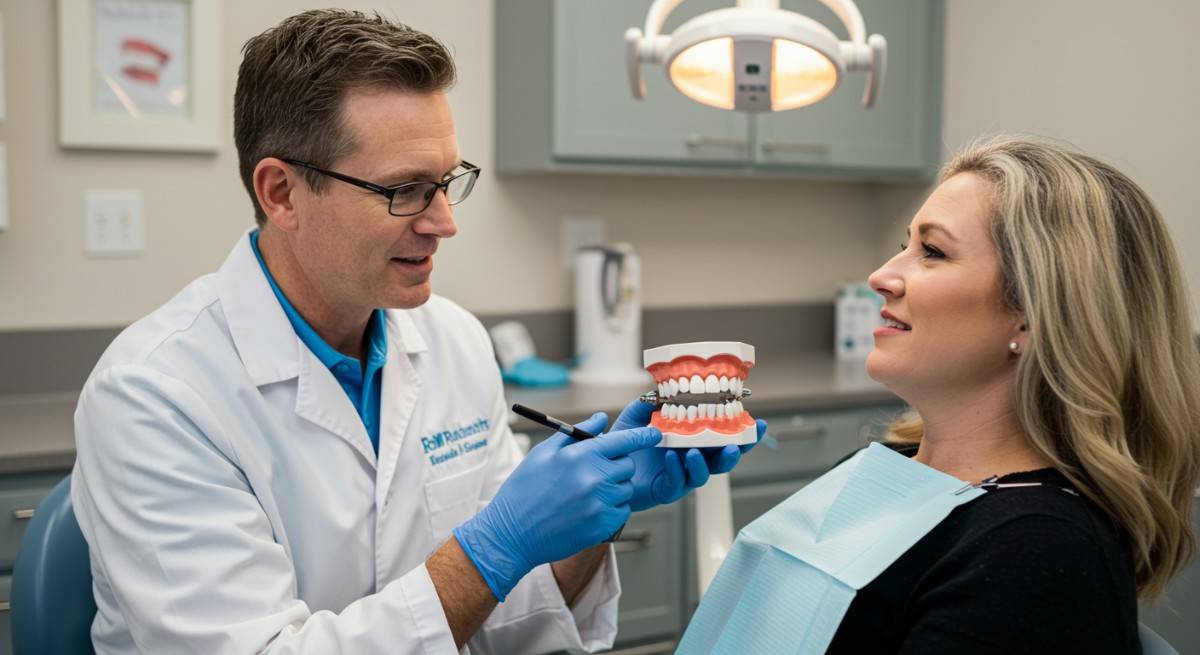
Medical professionals, including primary care doctors, specialists, and mental health counselors, play a key role in developing a care plan tailored to the individual’s needs. Regular check-ins and open communication can help adjust treatments as conditions change over time.
Pain Management Strategies
Managing physical pain is often a combination of medical treatment and lifestyle adaptations. Common strategies include:
- Medication: Prescribed pain relievers or anti-inflammatory drugs can reduce discomfort and improve mobility.
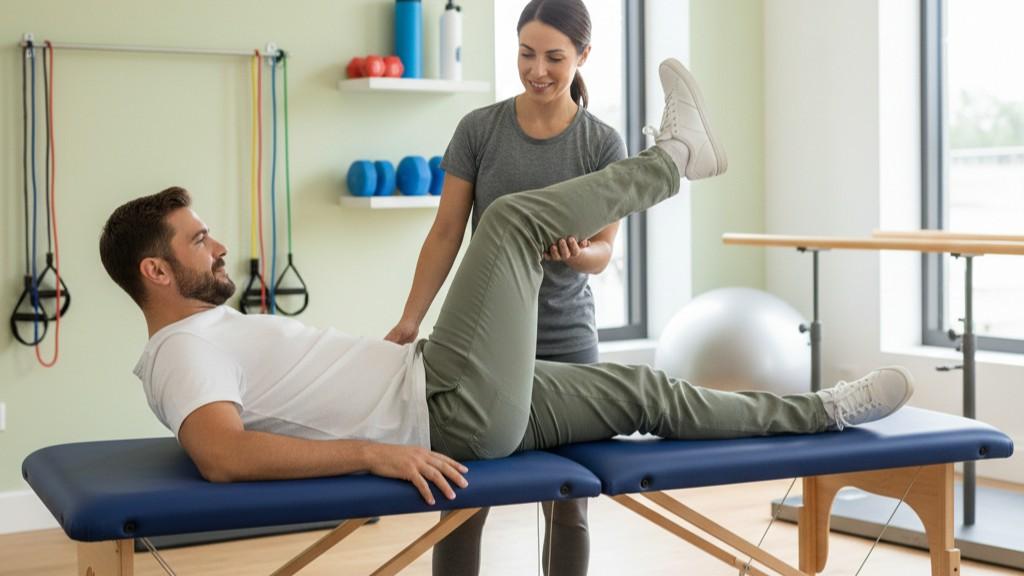
- Physical Therapy: Tailored exercises help maintain strength, flexibility, and function.
- Occupational Therapy: Learning adaptive techniques can make daily tasks more manageable.
- Alternative Therapies: Approaches like acupuncture, massage, and mindfulness meditation can complement traditional treatments.
It’s important to work closely with healthcare providers to ensure a safe and effective pain management plan.
Emotional and Mental Health Care
Chronic physical conditions can significantly impact mental health. Practices such as mindfulness, journaling, or therapy can help manage stress and depression. Cognitive-behavioral therapy (CBT) is particularly effective in teaching strategies to cope with chronic pain and emotional distress.
Incorporating small daily routines that bring joy, such as reading, music, or light exercise, can improve overall mental health. Acceptance and self-compassion are key: recognizing that it’s okay to ask for help and take time to care for oneself.
Accessibility and Lifestyle Adjustments

Adapting the environment can make daily life easier. Simple changes like installing grab bars, using mobility aids, or modifying workspaces can significantly reduce strain and risk of injury. Technology, such as voice-activated devices or adaptive software, can also help maintain independence and productivity.
Financial Support and Resources
Severe physical conditions can create financial strain due to medical expenses and reduced work capacity. In Salt Lake City, individuals with physical impairments may be eligible for disability benefits, providing crucial financial support to manage healthcare costs and daily living needs. Accessing these benefits often involves documentation from healthcare providers and consultation with local disability offices.
Additionally, nonprofit organizations and community programs often provide assistance with medical equipment, transportation, or home modifications, helping people maintain independence and quality of life.
Finding Purpose and Connection
While severe physical conditions present challenges, many individuals find meaning and purpose by focusing on what they can do rather than what they cannot. Pursuing hobbies, volunteer work, or advocacy can provide a sense of accomplishment and connection.
Sharing one’s journey—through writing, art, or support groups—can also inspire others facing similar struggles and foster a sense of community.
In Conclusion
Living through pain and severe physical conditions requires resilience, adaptability, and a proactive approach to healthy lifestyle and well-being. By combining medical care, emotional support, lifestyle adjustments, and financial resources like Salt Lake City disability benefits, individuals can navigate their conditions with dignity and hope.
Every small step toward managing symptoms, seeking help, and staying connected makes a meaningful difference. While life with a severe physical condition is challenging, it is possible to find support, purpose, and moments of joy along the journey.