

The foundation for lifelong learning begins in early childhood. Children who develop strong learning habits during their preschool years tend to perform better academically and socially as they grow.
These habits don’t require expensive resources or advanced training—just consistency, patience, and a willingness to engage with your child’s natural curiosity.
Whether your child attends day care in Sandy or learns at home, these nine habits can make a meaningful difference in their development. Let’s explore practical ways to nurture young learners.
1. Reading Together Daily

Reading aloud to children strengthens language skills, expands vocabulary, and sparks imagination. Even 10-15 minutes per day can have a profound impact. Choose books that match your child’s interests and encourage them to ask questions about the story. Point to words as you read to help them understand that text carries meaning.
Make this a cherished routine rather than a chore. Snuggle up before bedtime or during quiet afternoon moments. The emotional connection formed during reading time reinforces positive associations with books and learning.
2. Encouraging Curiosity Through Questions
Young children are naturally inquisitive. Instead of simply providing answers, guide them to think critically. When your child asks “why,” respond with open-ended questions like “What do you think?” or “How could we find out together?”
This approach teaches problem-solving skills and shows children that learning is an active process. It also validates their questions and encourages them to keep exploring the world around them.
3. Creating a Consistent Routine
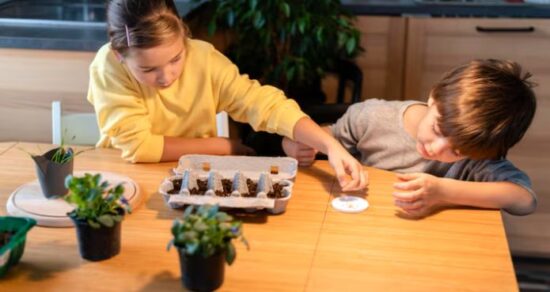
Children thrive on predictability. Establishing regular times for meals, play, learning activities, and sleep helps them feel secure and teaches time management. A structured routine also reduces power struggles and helps children transition smoothly between activities.
Include designated times for educational activities, but keep them age-appropriate and fun. Forcing lengthy study sessions on young children can backfire, creating negative associations with learning.
4. Limiting Screen Time
Excessive screen time can interfere with language development, physical activity, and creative play. The American Academy of Pediatrics recommends no more than one hour of high-quality programming per day for children aged 2-5.
Instead of passive screen watching, engage in hands-on activities that stimulate multiple senses. Building with blocks, playing pretend, or creating art projects offer richer learning experiences than most digital content.
5. Practicing Fine Motor Skills
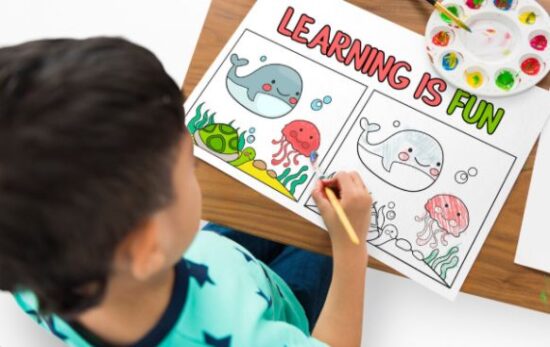
Fine motor development is crucial for writing, self-care, and countless daily tasks. Simple activities like coloring, cutting with safety scissors, stringing beads, or playing with playdough strengthen the small muscles in hands and fingers.
These activities also improve hand-eye coordination and concentration. Make them enjoyable rather than drill-like, and celebrate your child’s progress without comparing them to others.
6. Fostering Independence
Allow children to do things for themselves, even when it’s faster to do it for them. Let them dress themselves, put away toys, or help with simple household tasks. These experiences build confidence, responsibility, and problem-solving abilities.
Offer support when needed, but resist the urge to jump in too quickly. Struggling with a zipper or figuring out how to organize blocks teaches persistence—a critical learning habit.
7. Modeling a Love of Learning
Children imitate the adults around them. When they see you reading, asking questions, or tackling new challenges with enthusiasm, they learn that learning is valuable and enjoyable. Share your own learning experiences with them, including times when you make mistakes and try again.
Talk about what you’re learning, whether it’s a new recipe, a work skill, or information from a news article. This normalizes lifelong learning and shows that education doesn’t stop after school.
8. Encouraging Social Interaction
Learning happens in social contexts. Playing with peers teaches negotiation, empathy, sharing, and communication. Whether your child attends a structured program or has regular playdates, these interactions are essential for emotional and cognitive development.
Guide children through conflicts rather than always solving problems for them. Ask questions like “How do you think your friend felt?” or “What could you do differently next time?” These conversations helps in improving emotional intelligence and social awareness.
9. Celebrating Effort Over Perfection
Praise your child’s hard work and persistence rather than just the end result. Instead of saying “You’re so smart,” try “I noticed how hard you tried” or “You didn’t give up, even when it was difficult.”
This growth mindset approach teaches children that abilities can be developed through effort. They become more willing to take on challenges and less afraid of making mistakes.
Building a Strong Foundation
Early learning habits shape how children approach education throughout their lives. That’s why should your kids join these nine strategies consistently, you’re giving your child tools that extend far beyond academic achievement. You’re teaching them to be curious, persistent, confident learners who view challenges as opportunities.
Start with one or two habits that feel most natural for your family, then gradually incorporate others. Remember that every child develops at their own pace. The goal isn’t perfection—it’s progress and fostering a genuine love of learning that will serve them well for years to come.