
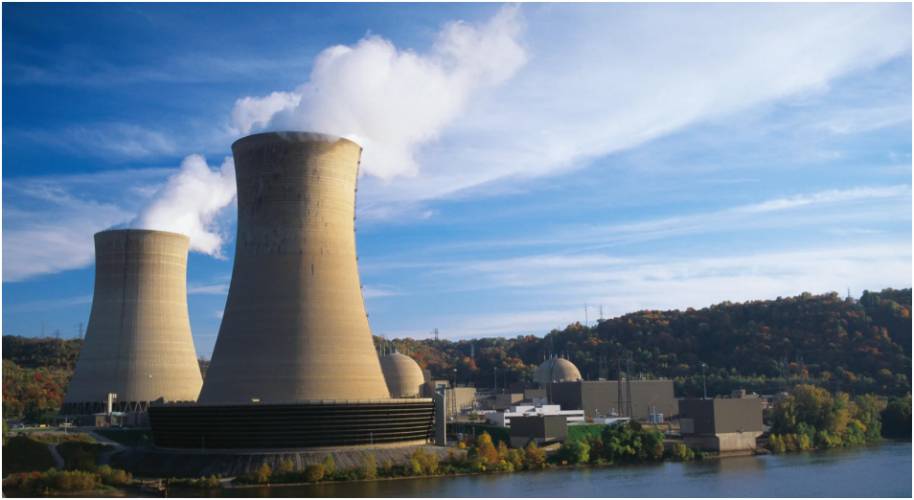
Flip a switch, charge your phone, or power up your office equipment—electricity feels instant and effortless. Yet behind every illuminated room is a complex system of machinery, engineering, and coordination working around the clock. Power generation facilities are the backbone of modern life, converting raw energy into the electricity that fuels homes, hospitals, factories, and cities.
Let’s take a closer look inside these facilities to understand how electricity is really made.
Step One: Converting Energy into Motion
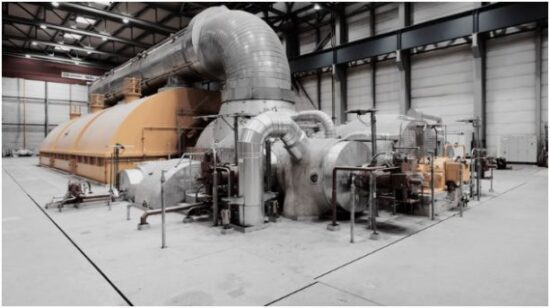
At the heart of most power generation facilities is a simple principle: convert one form of energy into mechanical motion, then convert that motion into electricity.
In traditional thermal power plants, fuels such as coal, natural gas, or nuclear energy are used to heat water in massive boilers. This heat produces high-pressure steam, which rushes through pipes and spins a turbine. The turbine is connected to a generator, and as it rotates, it creates electricity through electromagnetic induction.
Renewable facilities follow a similar concept but with different energy sources. Wind farms use moving air to spin turbine blades directly, while hydroelectric plants rely on flowing water. Solar power plants either convert sunlight directly into electricity through photovoltaic panels or use solar thermal systems to generate steam.
No matter the source, the goal remains the same: spin a turbine to drive a generator.
Step Two: Generating Electricity
Inside the generator, mechanical energy transforms into electrical energy. The generator contains a rotor (which spins) and a stator (which remains stationary). As the rotor turns within a magnetic field, it causes electrons to move, creating an electrical current.
This current is typically alternating current (AC), which is more efficient for transmitting electricity over long distances. However, the electricity produced at this stage is not yet ready for distribution to homes and businesses.
That’s where transformers come in.
Step Three: Stepping Up for Transmission
Electricity leaves the generator at a relatively low voltage. To travel efficiently across miles of transmission lines, it must be “stepped up” to a much higher voltage using large transformers within the facility.
High-voltage transmission reduces energy loss over long distances. Once electricity reaches substations closer to communities, it is stepped down again to safer levels suitable for residential and commercial use.
This seamless shift in voltage levels ensures reliable delivery without excessive waste.
The Role of Cooling and Water Systems
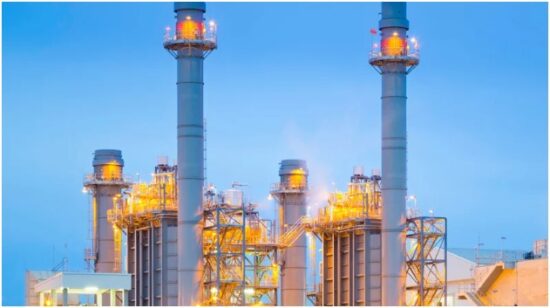
Power generation produces significant heat. Without effective cooling systems, equipment would quickly overheat and fail.
Many facilities use cooling towers to dissipate excess heat. Water circulates through the plant, absorbing thermal energy before releasing it into the atmosphere as vapor. Some plants rely on nearby rivers, lakes, or oceans for cooling water.
This intricate network of pumps, valves, and pipelines ensures temperature stability. In regions with expanding infrastructure demands, specialized services such as industrial piping in Utah support the safe transport of steam, water, and other essential materials within these complex systems.
Control Rooms: The Brain of the Operation
Modern power generation facilities rely heavily on digital monitoring and automation. Inside the control room, engineers oversee system performance using advanced software and real-time data.
Operators monitor turbine speeds, temperature levels, pressure readings, and electrical output. If something drifts outside safe parameters, automated systems or personnel intervene immediately.
Today’s facilities are increasingly adopting smart technologies that enhance efficiency and predict maintenance needs before failures occur. This reduces downtime and ensures consistent power supply.
Safety and Environmental Safeguards

Because power plants handle high temperatures, high pressures, and potentially hazardous fuels, safety is paramount. Strict protocols govern everything from equipment inspections to worker training.
Environmental controls are equally important. Facilities use filtration systems, scrubbers, and emission control technologies to reduce pollutants. Many are transitioning toward cleaner fuels or integrating renewable energy sources to lower their carbon footprint.
Regulatory compliance ensures that plants meet local and national environmental standards while continuing to deliver reliable electricity.
Maintenance: Keeping the System Running
Power generation facilities operate continuously, often 24/7. Routine maintenance is essential to prevent breakdowns and extend equipment lifespan.
Technicians regularly inspect turbines, generators, boilers, and transformers. Predictive maintenance tools—such as vibration analysis and thermal imaging—help identify small issues before they become major problems.
Planned outages allow for deep inspections and upgrades, ensuring the facility remains efficient and competitive in an evolving energy landscape, which is one of the best practices for facilities operations.
The Bigger Picture
Though each facility may vary in size, fuel source, and design, they all serve the same purpose: turning raw energy into usable power. From the spinning turbine to the humming transformer yard, every component plays a role in keeping society connected and productive.
The next time you turn on a light, consider the journey electricity has taken—from heat or motion inside a power generation facility, through transmission lines and substations, and finally into your home.
Electricity may feel invisible, but inside power generation facilities, it’s the result of remarkable engineering, constant vigilance, and a carefully orchestrated process that truly powers the world.