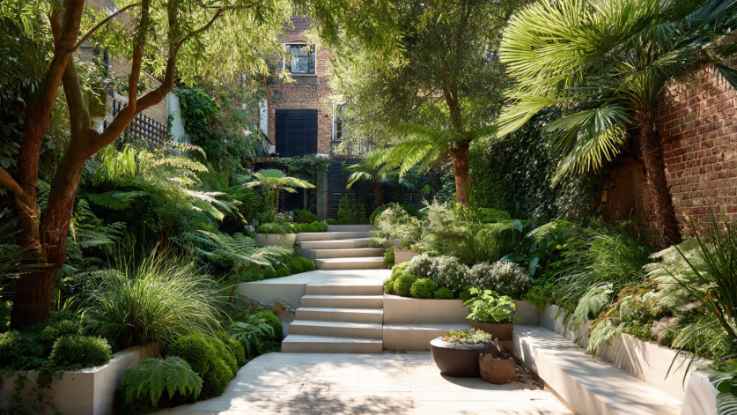
You love the idea of a beautiful garden. The lush greenery, the colorful blooms, and the peaceful outdoor space where you can unwind after a long week. What don’t you love? Spending every Saturday pulling weeds, mowing grass, and nursing plants that never seem to survive past summer.
Principle 1: Choose plants that can handle neglect
The foundation of any low-maintenance garden is plant selection. Opt for the wrong species, and you’ll be watering, pruning, and replacing them constantly. Choose wisely, and your garden will thrive with minimal input.
Go for drought-tolerant plants
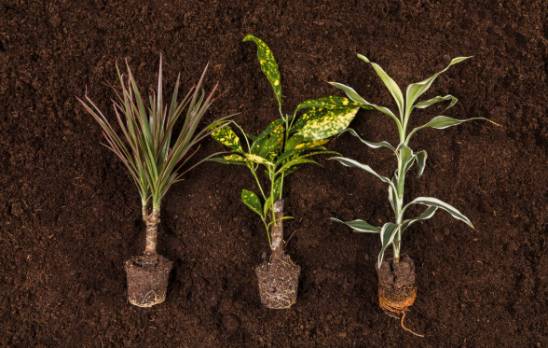
Drought-tolerant plants are the backbone of a low-effort outdoor layout plan. These species have adapted to survive with less water, meaning they stay healthy even when you forget to water them—or when a dry spell hits. Some popular options include:
- Lavender: Fragrant, beautiful, and nearly indestructible. It thrives in full sun and poor soil.
- Sedum: A succulent that tolerates drought, poor soil, and neglect remarkably well.
- Russian Sage: Tall, silvery-blue plumes that add texture without demanding attention.
- Ornamental grasses: Low water needs, minimal pruning, and great structural interest year-round.
Prioritize perennials over annuals
Annual plants might offer bold seasonal color, but they need to be replanted every year—a time-consuming task. Perennials, on the other hand, come back on their own each season. Plants like coneflowers, black-eyed Susans, hostas, and daylilies establish themselves over time and actually spread, filling gaps and suppressing weeds naturally.
A mix of drought-tolerant perennials gives you a garden that evolves and fills in over the years with almost no extra effort on your part.
Principle 2: Use mulch and ground covers strategically
Weeding is the task most gardeners dread—and it’s one of the most time-consuming. The solution isn’t more elbow grease. It’s smarter ground management.
Mulch is your best friend
A 2–3 inch layer of mulch around your plants does several important things at once:
- Suppresses weeds by blocking sunlight from reaching weed seeds
- Retains moisture in the soil, so plants need less frequent watering
- Regulates soil temperature, protecting roots from heat and cold
- Improves soil health as organic mulches like bark or wood chips break down over time
Apply mulch once or twice a year, and you’ll cut your weeding time dramatically. It’s one of the highest-return tasks in garden maintenance.
Let ground covers do the work
Ground covers are low-growing plants that spread across the soil, filling space that weeds would otherwise occupy. Creeping thyme, mondo grass, and pachysandra are all excellent options that require little care once established. They’re particularly useful in awkward spots—along pathways, under trees, or on slopes where mowing is difficult.
Together, mulch and ground covers form a natural weed suppression system that works while you’re at the office.
Principle 3: Automate your watering (and other tasks)
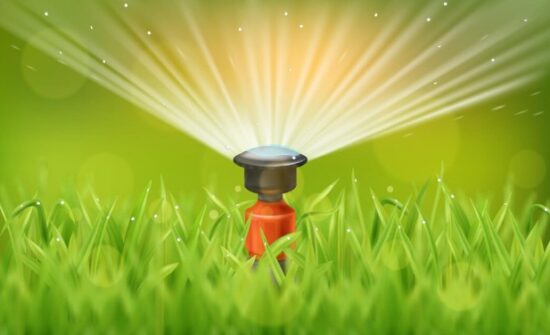
Manual watering is one of the easiest garden chores to eliminate. Smart tools and irrigation systems have made it simple—and surprisingly affordable—to automate the most repetitive aspects of garden maintenance.
Install a drip irrigation or soaker hose system
Drip irrigation delivers water directly to the root zone of your plants, minimizing evaporation and runoff. Paired with a timer, it waters your garden on a set schedule without any input from you. This approach:
- Reduces water usage by up to 50% compared to overhead sprinklers
- Prevents overwatering, which is a leading cause of plant death
- Keeps foliage dry, reducing the risk of fungal disease
Soaker hoses offer a simpler, lower-cost alternative for garden beds and borders. Lay them along the base of your plants, connect them to a timer, and your irrigation is essentially set-and-forget.
Embrace smart gardening tools
Modern garden tech has come a long way. Smart irrigation controllers can adjust watering schedules automatically based on local weather data—so if it rains, your system skips the cycle. Soil moisture sensors take this further, only triggering irrigation when the ground actually needs it.
For lawn areas, robotic mowers can handle grass cutting on their own, operating quietly in the background while you focus on other things. They’re a significant upfront investment, but for larger properties, the time savings can be substantial.
Principle 4: Rethink your lawn with hardscaping
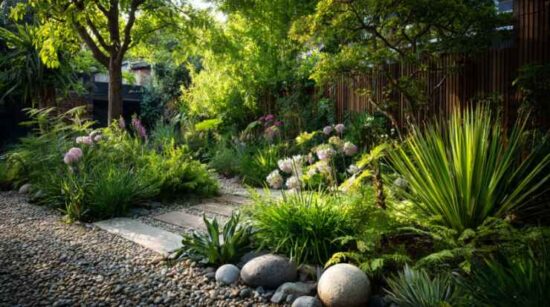
Lawns are arguably the most high-maintenance feature in any residential garden. They need regular mowing, edging, feeding, aerating, and watering. The more lawn you have, the more time and money it consumes. Reducing your lawn area is one of the most impactful decisions you can make.
Replace grass with hardscape features
Hardscaping refers to the non-living elements of a garden—think patios, pathways, gravel beds, raised planters, and retaining walls. These features require virtually no upkeep once installed, and they can dramatically transform the feel and function of your outdoor space. Popular low-maintenance hardscape ideas include:
- Gravel or decomposed granite pathways: Attractive, weed-resistant (especially with a weed membrane underneath), and great for drainage
- Paved or decked patio areas: Replace a section of lawn with an outdoor entertaining area that needs nothing more than an occasional sweep
- Raised garden beds: Contain your planting areas neatly, improve drainage, and make it easier to manage soil quality
- Decorative rock gardens: Particularly effective in dry climates, these look stunning with minimal water or maintenance
Consider professional help for the initial design
Getting the layout of your hardscaping right from the start saves significant time and money down the track. Working with a professional landscaper in Layton for the initial design ensures the drainage, proportions, and material choices all work together properly. After that, the ongoing upkeep is minimal.
Even replacing just 30–40% of your lawn with hardscape can cut your weekly garden maintenance time in half.
Conclusion
A low-maintenance garden isn’t about giving up on a beautiful outdoor space. It’s about designing one that works with your lifestyle rather than against it.
By choosing the right plants, managing your soil smartly, automating routine tasks, and replacing a high-maintenance lawn with a functional hardscape, you can have a garden that looks great throughout the year—without sacrificing every weekend to maintain it.