
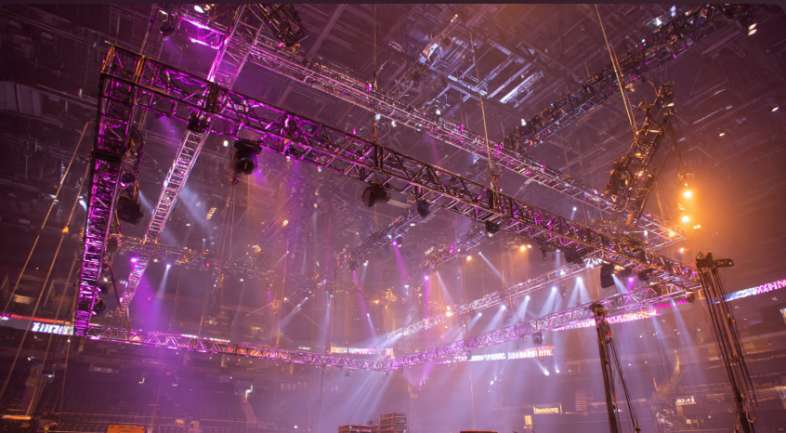
A speaker array suspended overhead commands immediate attention. Clamps and hardware bear the entire load silently. They lock truss segments and secure line arrays. One loose fastener compromises the whole assembly. Proper selection transforms metal components into a unified framework.
Professional DJ equipment relies entirely on the hardware securing it overhead. Clamps hold main hangs and delay towers in position. Hardware choices determine if a configuration flies safely. Performers move beneath these assemblies without hesitation. Stability originates with clamps matched precisely to each application.
Load Ratings and Capacity Specifications
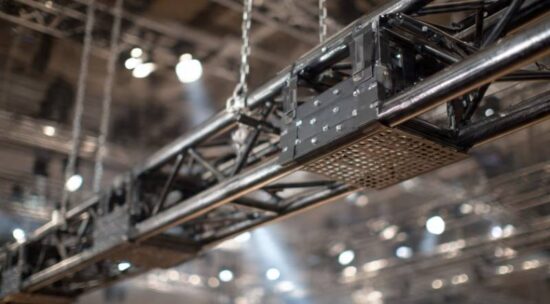
Every clamp carries a stated working load limit from the manufacturer. This figure represents the maximum force the component withstands during use. Design safety factors exist within the stated capacity. Responsible operators treat the limit as a strict ceiling.
Add the weight of each fixture attached to a single coupler. Include cables, brackets, and any mounting accessories in this total. Choose clamps rated above the complete assembly weight. This approach preserves integrity during vibration and incidental contact.
Clamp Materials and Surface Treatments
Steel clamps provide high tensile strength for permanent installations. Aluminum hardware reduces weight for touring and portable configurations. Zinc platings resist corrosion in humid storage environments. Black powder coats match dark truss finishes and conceal wear.
Inspect all surface finishes before installation and tightening. Thin or uneven platings indicate inferior manufacturing processes. Stainless steel components perform reliably in coastal or outdoor conditions. Isolate dissimilar metals to prevent galvanic reactions.
Tube Profiles and Grip Mechanisms
Round couplers fit standard schedule forty pipe and circular truss chords. Square couplers accommodate box truss members without additional adapters. The grip contour must mirror the structural tube profile exactly. Insufficient contact area creates concentrated stress points.
Cushioned inserts preserve polished truss finishes during repeated installations. Serrated grippers resist rotational forces on wooden battens. U-bolt designs secure pipe rapidly with basic hand tools. Half-couplers connect fixtures flush to overhead support members.
Redundant Retention and Accessory Integration
Safety cables provide secondary support. Rated connectors attach to independent anchor points. Secondary devices catch the load before ground contact. This practice requires no special certification.
- Safety slings wrap around truss chords and yokes
- Backup plates distribute loads across wider areas
- Quick-release pins allow rapid configuration changes
- Spigot adapters seat lighting units in receivers
- Extension arms offset components for coverage
These components work together to ensure secure and reliable setups, minimizing the risk of failure during events. The integration of such accessories enhances both safety and efficiency, allowing for quick adjustments without compromising the stability of the equipment.
Having a well-thought-out retention system is crucial for the smooth execution of any production.
Where Event Professionals Verify Hardware Specifications

Vendors publish load ratings for every clamp model. Cross-referencing these figures across suppliers consumes hours. Technical managers need consolidated specifications without marketing language. One platform aggregates verified hardware data from trusted industry suppliers.
Engineers compare working load limits in one location. The platform eliminates guesswork during system planning phases. Event crews access finish durability ratings instantly. Specification sheets include exact dimensions and factor of safety disclosures.
Hardware selection begins with honest load calculation. Protecting DJ equipment and event attendees depends on these components. Verify weight ratings against actual suspended loads. Confirm tube compatibility and other connections before installation ensures safety from hidden electrical risks.
Integrate redundant retention as a standard procedure. A stable rig directs attention toward the performance alone.