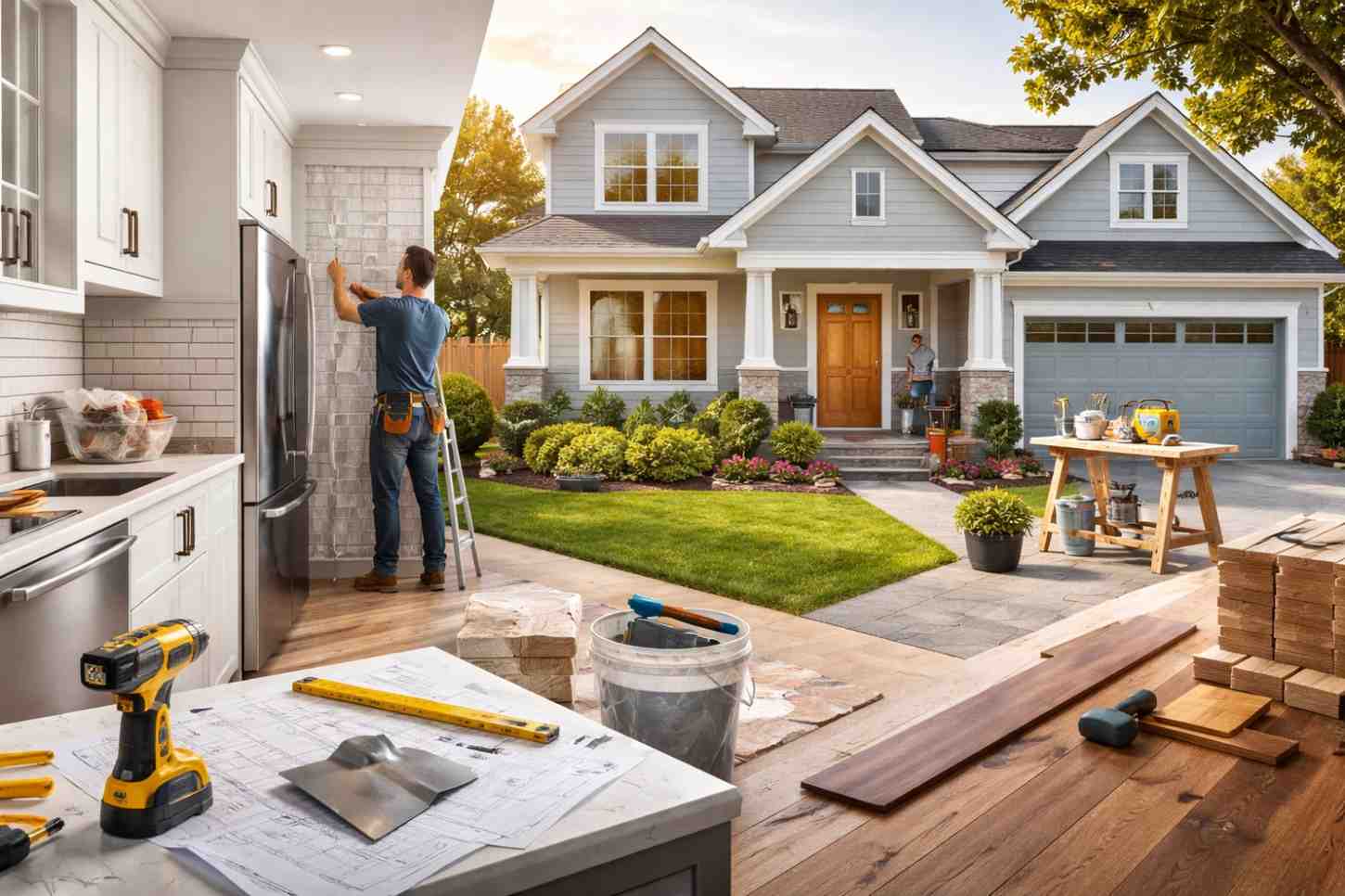
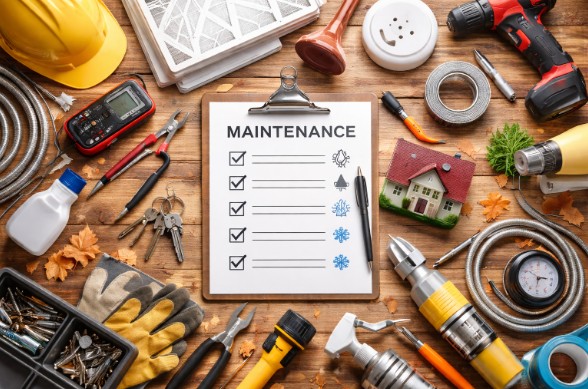
Managing rental properties comes with numerous responsibilities, and staying on top of maintenance is crucial for protecting your investment and keeping tenants satisfied. While reactive repairs are inevitable, proactive maintenance tracking can prevent costly emergencies and extend the lifespan of your property’s systems and appliances.
Whether you’re managing a single-family home or multiple units, implementing a structured approach to maintenance tasks will save you time, money, and headaches. Here are seven essential maintenance tasks every landlord should track to keep their properties in optimal condition.
HVAC System Maintenance
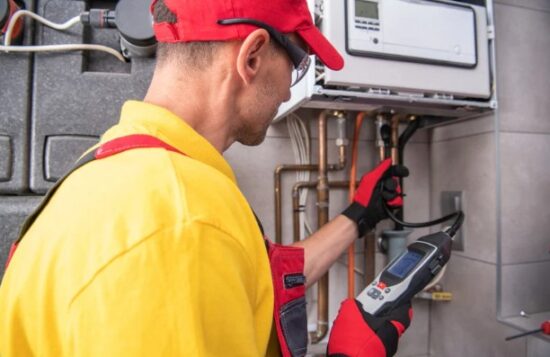
Your property’s heating and cooling systems are among the most expensive components to replace, making regular maintenance essential. HVAC systems require attention throughout the year to ensure they operate efficiently and reliably when tenants need them most.
Schedule professional inspections twice annually-once before the cooling season and once before heating season begins. These preventive visits allow technicians to identify potential issues before they escalate into emergency repairs. Change air filters every 1-3 months depending on usage, and keep detailed records of all service appointments, filter changes, and any repairs performed.
For properties in areas like Ogden, scheduling an AC installation in Ogden with qualified professionals ensures your cooling systems are properly sized and installed from the start. Regular maintenance not only prevents breakdowns during extreme weather but also keeps energy costs manageable for both you and your tenants.
Plumbing Inspections
Water damage ranks among the costliest issues landlords face, making plumbing maintenance a top priority. Regular inspections can catch small leaks before they become major problems that require extensive repairs or lead to mold growth.
Check for signs of leaks under sinks, around toilets, and near water heaters during routine property visits. Inspect exposed pipes for corrosion or moisture, and ensure all faucets and fixtures operate properly without dripping. Water heater maintenance is particularly important—flush the tank annually to remove sediment buildup and inspect the pressure relief valve to ensure it functions correctly.
Document all plumbing-related maintenance in your tracking system, including dates of inspections, any repairs made, and the condition of major components. This record-keeping helps you anticipate when systems may need replacement and provides valuable documentation if disputes arise.
Roof and Gutter Care
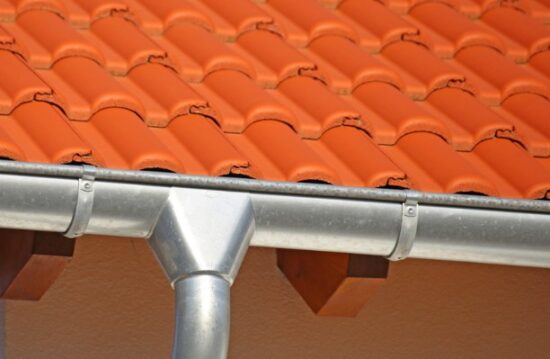
Your property’s roof serves as the first line of defense against the elements, and neglecting it can lead to significant structural damage. Establish a routine for inspecting the roof at least twice yearly, particularly after severe weather events.
Look for missing, damaged, or curling shingles, and check for signs of wear around chimneys, vents, and skylights. Clean gutters and downspouts regularly to prevent water from backing up and causing damage to the roof, siding, or foundation. Clogged gutters can lead to ice dams in winter and water infiltration that compromises the building’s integrity.
Keep photographic records of roof conditions over time to track deterioration and plan for eventual replacement. Most roofs last 15-25 years depending on materials, so maintaining documentation helps you budget for this major expense.
Appliance Servicing
Rental properties typically include several appliances that require regular maintenance to function reliably. Refrigerators, dishwashers, washing machines, and dryers all benefit from preventive care that extends their useful life and prevents inconvenient breakdowns.
Clean refrigerator coils every six months to maintain efficiency, check dishwasher spray arms and filters for debris, and inspect washing machine hoses for signs of wear or bulging. Dryer vents should be cleaned at least annually to prevent fire hazards and improve efficiency.
Create a maintenance schedule for each appliance and track service dates, repairs, and replacement timelines. When appliances reach the end of their expected lifespan, factor replacement costs into your budget rather than being caught off guard by sudden failures.
Safety Systems Testing
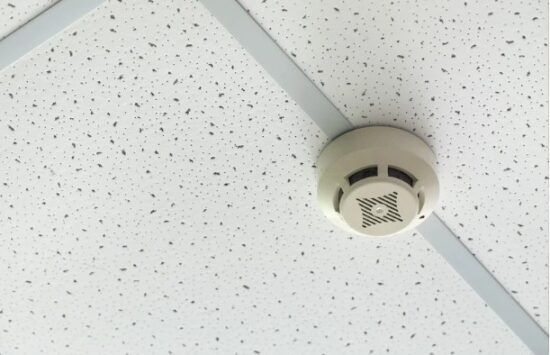
Smoke detectors, carbon monoxide detectors, and fire extinguishers are non-negotiable safety features that require regular testing and maintenance. Most jurisdictions have legal requirements for these safety devices, making compliance a critical aspect of property management.
Test smoke and carbon monoxide detectors monthly and replace batteries at least annually, or whenever units begin chirping. Replace the entire detector unit every 10 years, as sensors degrade over time. Check fire extinguishers to ensure they remain charged and haven’t expired, and verify that they’re accessible and clearly marked.
Document all safety system tests and maintenance in your records. This documentation protects you legally and demonstrates your commitment to tenant safety. Consider setting calendar reminders to ensure these critical tasks never slip through the cracks.
Exterior Maintenance
The exterior of your property creates the first impression for prospective tenants and contributes significantly to curb appeal and property value. Regular exterior maintenance prevents minor issues from becoming major structural problems.
Inspect siding for damage, cracks, or rot, and repair any issues promptly to prevent water infiltration. Check caulking around windows and doors, replacing it when it becomes cracked or pulls away from surfaces. Maintain landscaping to prevent overgrown vegetation from damaging the foundation or siding, and ensure proper drainage away from the building.
Paint or stain exterior surfaces according to manufacturer recommendations to protect materials from weather damage. Track the condition of decks, patios, and walkways, repairing or replacing boards as needed to prevent safety hazards.
Seasonal Winterization
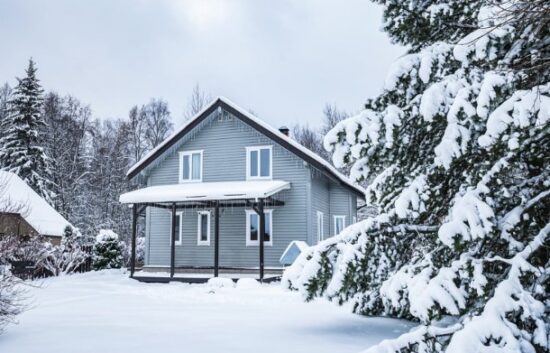
For properties in climates with freezing temperatures, seasonal winterization prevents costly damage from frozen pipes and ice buildup. This maintenance task is particularly crucial for vacant properties or those with tenants who may be away for extended periods.
Before winter arrives, drain and shut off exterior faucets, disconnect garden hoses, and insulate exposed pipes in unheated areas. Seasonal home maintenance guide, check weatherstripping around doors and windows to prevent heat loss and reduce energy costs. Service the heating system to ensure it functions reliably throughout the cold season.
For properties at risk of freezing, consider installing smart thermostats or temperature monitoring systems that alert you if indoor temperatures drop dangerously low. Document all winterization steps taken and any issues discovered during the process.
Taking Control of Property Maintenance
Successful property management hinges on consistent, proactive maintenance tracking. By monitoring these seven critical areas, you’ll minimize emergency repairs, extend the life of major systems, and maintain tenant satisfaction. Implement a digital or physical tracking system that works for your management style, and set regular reminders to ensure nothing falls through the cracks.
Start building your maintenance tracking system today by documenting current conditions, creating schedules for upcoming tasks, and establishing relationships with reliable contractors. Your future self—and your bank account—will thank you for the investment in organized, preventive property care.