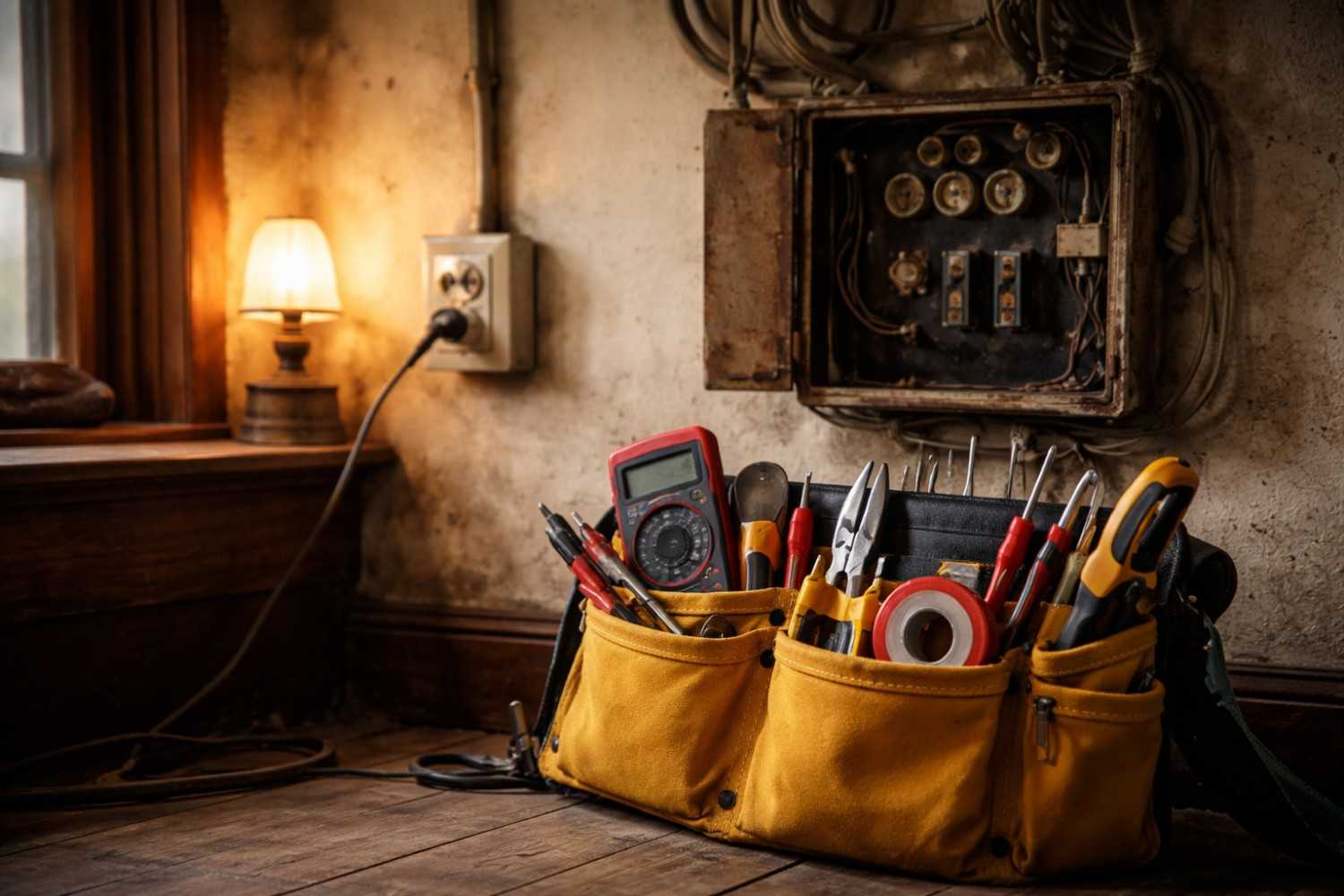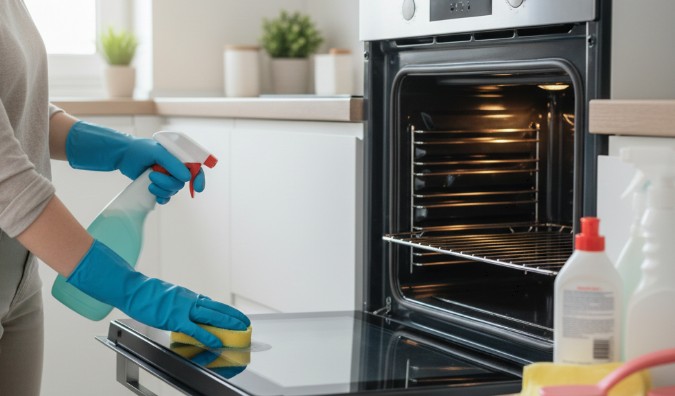
Owning a home is likely the most significant financial commitment you will ever make. It provides shelter, security, and a place to build memories, but it also requires a significant amount of work. A house is a complex machine with many moving parts—plumbing, electrical, HVAC, and structural components—that all degrade over time. If left unchecked, minor issues can spiral into catastrophic, budget-breaking repairs.
Why Seasonal Maintenance Matters
Before diving into the checklist, it is important to understand why this schedule works. Your home faces different threats depending on the time of year. Winter brings freezing temperatures that threaten pipes, while summer brings heat and humidity that can warp wood and stress your cooling systems.
Adopting a seasonal approach allows you to:
- Save Money: Catching a leak early costs a fraction of repairing water damage and mold later.
- Improve Energy Efficiency: tasks like sealing windows and servicing your HVAC system lower utility bills.
- Enhance Curb Appeal: Regular exterior maintenance keeps the property looking fresh and well-cared for.
- Increase Safety: Checking alarms and electrical systems prevents fires and accidents.
Spring: Recover and Prepare
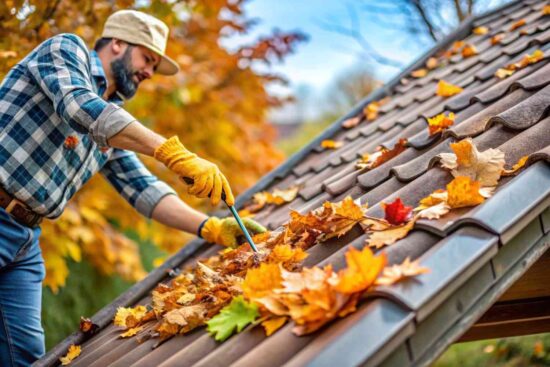
Spring is the season of renewal. As the snow melts and the flowers bloom, your primary goal is to assess any damage caused by winter storms and prepare your home for the rainy season and incoming heat.
Inspect Roof Shingles
Winter storms, ice dams, and heavy snow can wreak havoc on your roof. Once the weather clears, grab a pair of binoculars and inspect your roof from the ground. You are looking for loose, cracked, or missing shingles. Pay close attention to the metal flashing around chimneys and vents, as these are common leak points. If you spot damage, hire a professional to fix it immediately to prevent spring rains from entering your attic.
Clean Your Gutters
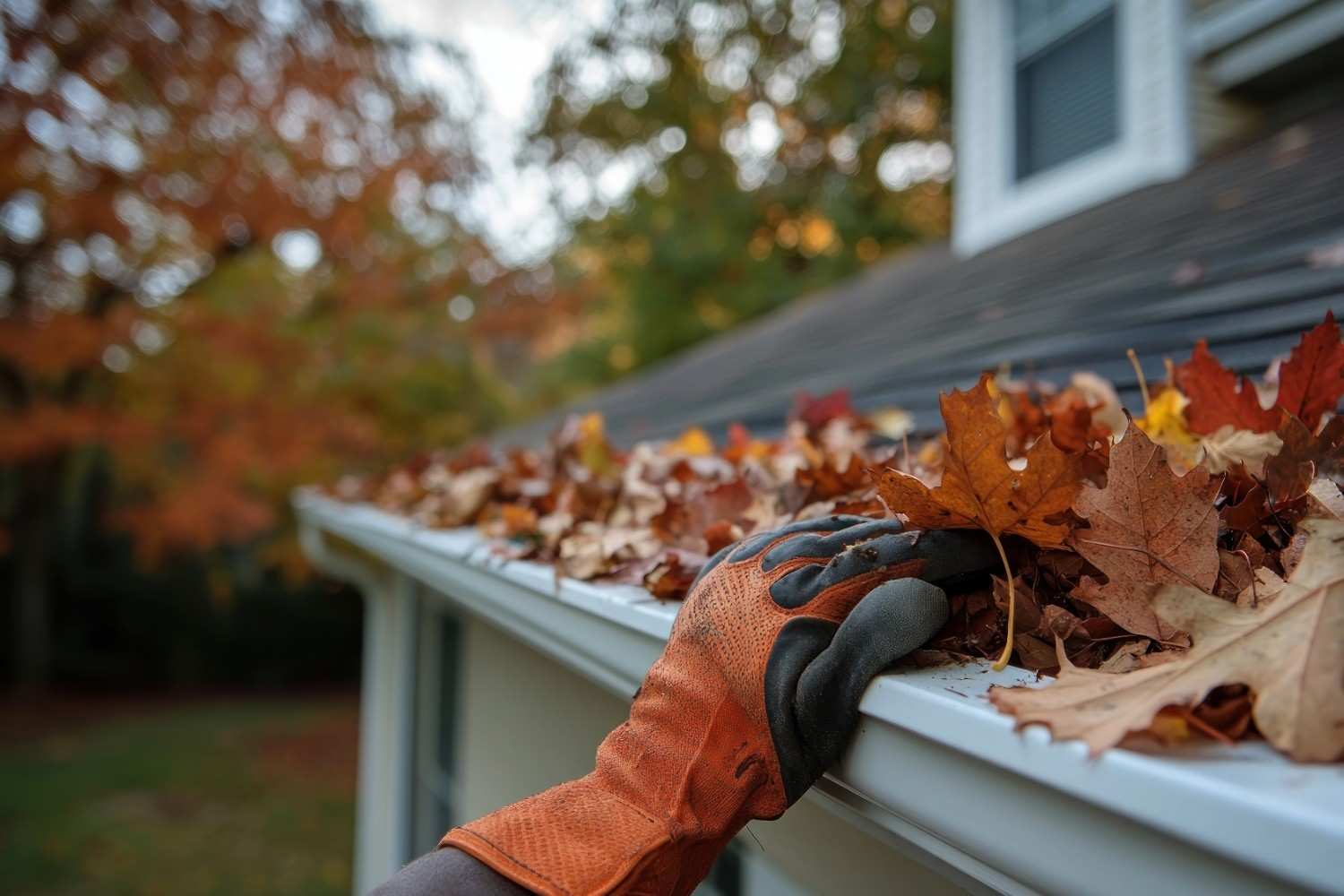
This is arguably the most critical spring task. Gutters control the flow of rainwater away from your home’s foundation. Over the fall and winter, they likely filled with leaves, twigs, and debris. Clogged gutters can lead to water backing up under your roof shingles or spilling over into the foundation, causing basement leaks. Clean them out thoroughly and ensure the downspouts are directing water at least three feet away from the house.
Service HVAC Systems
Before the summer heat arrives, you need to ensure your air conditioning unit is up to the task. Change the filter and clean the area around the outside unit, removing leaves and grass clippings that might block airflow. It is also wise to schedule a professional tune-up. A technician can check coolant levels and electrical connections, ensuring the system runs efficiently when you need it most.
Summer: Exterior upkeep
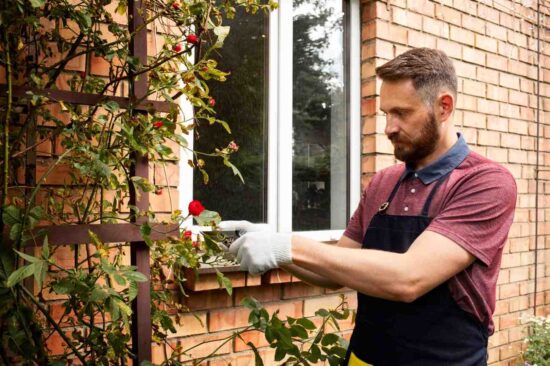
Summer brings longer days and warmer weather, making it the ideal time to tackle outdoor projects. Your focus here is on the exterior shell of your home and the landscaping that surrounds it.
Maintain Landscaping
Overgrown vegetation isn’t just an eyesore; it’s a threat to your home’s structure. Vines can compromise siding, and tree branches rubbing against the roof can damage shingles or provide a bridge for pests like squirrels and raccoons to enter your attic. Trim shrubs and trees so they are at least a few feet away from your house. This also improves airflow, which helps keep siding dry and prevents mold growth.
Check Exterior Paint and Siding
Take a walk around the perimeter of your house. Look for peeling paint or damaged siding. Paint acts as the first line of defense against the elements for wood siding. If it peels, moisture gets in, leading to rot. Scrape, prime, and repaint any peeling areas. If you have vinyl siding, check for cracks or loose panels and wash off any accumulated dirt or mildew.
Inspect the Deck or Patio
Your deck or patio is likely your summer entertainment hub, so ensure it is safe. Check for loose boards, protruding nails, or wobbly railings. If you have a wood deck, check if it needs resealing. Pour a little water on the wood; if it beads up, the seal is good. If it soaks in, it is time to clean and reseal the wood to protect it from water damage and UV rays.
Fall: Seal and Secure
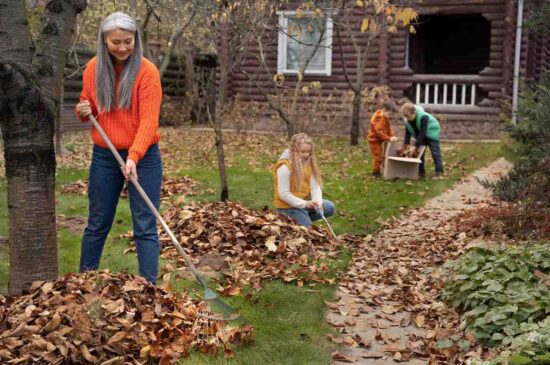
As the temperatures drop and leaves begin to fall, your focus shifts to keeping the cold out and the warmth in. Fall maintenance is all about energy efficiency and preventing winter damage.
Seal Windows and Doors
Drafty windows and doors are a major source of heat loss. On a windy day, check for drafts around frames. Caulk any gaps you find on the exterior and apply weatherstripping to movable parts of windows and doors. This simple step can significantly reduce your heating bills and keep your home cozy.
Winterize Outdoor Plumbing
Water expands when it freezes, which can cause pipes and hoses to burst. Disconnect all garden hoses, drain them, and store them for the winter. If you have an in-ground sprinkler system, have it blown out by a professional. For outdoor faucets, shut off the water supply valve inside your home (if you have one) and open the outdoor faucet to drain any remaining water.
Clean the Chimney
If you have a wood-burning fireplace, this step is non-negotiable. Burning wood creates creosote, a highly flammable substance that builds up inside the chimney flue. Before you light the first fire of the season, hire a professional chimney sweep to inspect and clean the chimney. This drastically reduces the risk of a chimney fire and ensures that dangerous carbon monoxide is venting properly.
Winter: Interior Safety and Efficiency
When the snow is falling, you want to stay indoors. Winter maintenance is lighter on physical labor but heavy on safety checks and monitoring the interior environment.
Test Smoke and Carbon Monoxide Detectors
With windows closed and heaters running, indoor air quality and fire safety become paramount. Test all smoke and carbon monoxide detectors to ensure they are functioning correctly. It is good practice to replace the batteries in all units once a year, and winter is a great time to do it.
Insulate Pipes and Check Heat Retention
Frozen pipes are a homeowner’s nightmare. Check pipes in unheated areas like basements, attics, and garages. Wrap them in foam insulation sleeves to prevent freezing.
This is also the best time to evaluate how well your home holds heat. If you notice certain rooms are perpetually cold or your heating bill is skyrocketing despite sealing windows, your home might lack sufficient insulation in the walls or attic. Consider contacting professional insulation services in West Haven to conduct an energy audit. They can identify heat loss areas and upgrade your insulation, which pays for itself in energy savings over time.
Check for Basement Dampness
Melting snow can saturate the ground around your foundation. Keep an eye on your basement corners and walls for signs of dampness or water intrusion. If you smell mustiness, run a dehumidifier to keep moisture levels in check and prevent mold growth.
Monthly Tasks: The Routine Check
While seasonal tasks happen four times a year, some things require more frequent attention. Adding these to your monthly calendar ensures everything runs smoothly.
- Change Air Filters: Dirty filters restrict airflow, forcing your HVAC system to work harder and increasing energy costs. Check them monthly and change them at least every three months, or more often if you have pets.
- Test GFCI Outlets: Ground Fault Circuit Interrupter (GFCI) outlets are found in kitchens and bathrooms and are designed to prevent electrical shock. Press the “test” button to ensure it clicks off, then “reset” to restore power. If it doesn’t pop, the outlet needs replacing.
- Inspect Fire Extinguishers: Ensure you have fire extinguishers in key areas like the kitchen and garage. Check the gauge monthly to make sure the pressure is in the green zone and that the pin is intact.
Conclusion
Home maintenance might seem like a chore, but it is the single best way to protect your investment. You don’t have to be a DIY expert to keep your house in shape; you just need to be observant and consistent. By following this seasonal rhythm, you move from reacting to disasters to preventing them. Start small—pick one item from the current season’s list and tackle it this weekend. Your home (and your wallet) will thank you.