
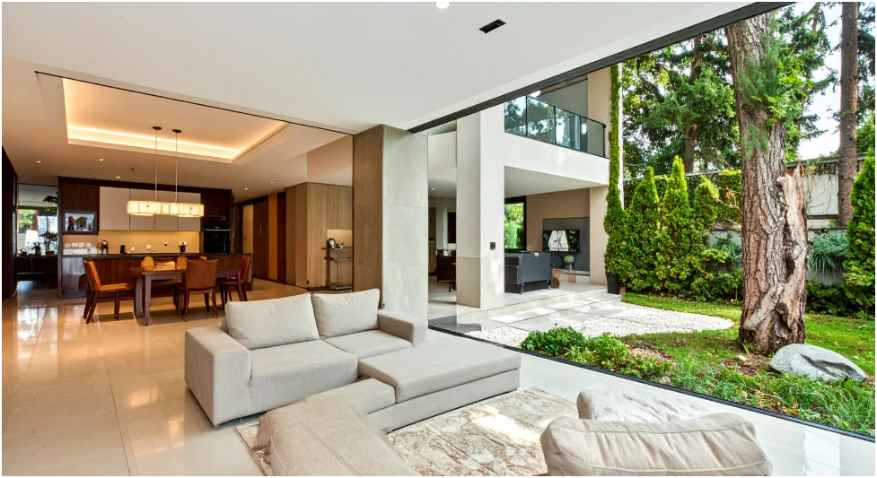
Creating a home that feels like a sanctuary is a common goal, yet it can be challenging to achieve. The key often lies not in expensive furniture or trendy colors, but in the fundamental elements of design: texture and tone. Drawing inspiration from the natural world can cultivate a calming, grounded atmosphere.
Earthy textures and tones connect us to the outdoors, helping to reduce stress and create a space that feels both sophisticated and comfortable. This approach moves beyond fleeting trends to establish a timeless, serene environment.
The Foundation: Building a Natural Color Palette
The first step in crafting an earthy interior is to establish a color scheme inspired by nature. Think of the rich browns of soil, the soft greens of moss, the warm grays of pebbles, and the sandy beiges of a shoreline. These colors are inherently soothing and provide a versatile backdrop for any room.
Starting with a Neutral Base
Begin by selecting a warm, neutral color for your walls. Shades like oatmeal, greige (a mix of gray and beige), or a soft terracotta can instantly make a space feel more inviting. Unlike stark white, these tones have a depth that adds warmth without overwhelming the room.
They serve as a perfect canvas, allowing the textures and other design elements to stand out. This neutral foundation ensures that your space feels cohesive and peaceful.
Layering with Accent Colors
Once your base is established, you can layer in accent colors drawn from a more vibrant natural palette. Consider the deep blues of a twilight sky, the muted yellows of autumn leaves, or the rich rust of a canyon wall.
These hues can be introduced through pillows, throws, artwork, or a statement piece of furniture. The goal is to create visual interest without disrupting the overall sense of tranquility.
The Soul of the Design: Incorporating Rich Textures
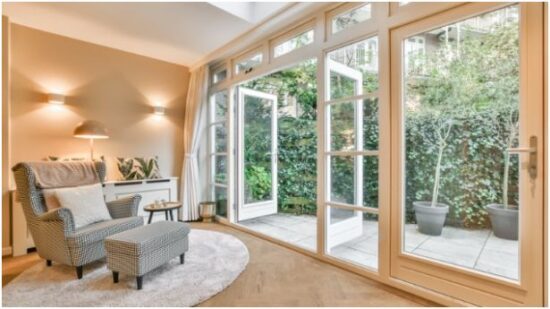
Texture is what brings an earthy design to life. It engages the sense of touch and adds a visually compelling layer of complexity. A room filled with flat, uniform surfaces can feel sterile, while one rich with varied textures feels dynamic and welcoming.
Harnessing Natural Materials
Look for opportunities to introduce materials directly from the natural world. Woven jute or sisal rugs can define a space while adding a coarse, organic feel underfoot. Linen curtains offer a soft, breathable quality that filters light beautifully.
Furniture made from raw or reclaimed wood brings a sense of history and sturdiness into the room. Even small decorative objects like clay pots, woven baskets, or driftwood can have a significant impact. These elements remind us of the imperfect beauty of the outdoors and also upgrade, which are worth the investment for your house.
Creating Depth with Stone and Ceramics
Hard surfaces provide an essential contrast to softer textiles. Incorporating stone elements can ground a room and add a touch of rustic elegance. This can be as simple as a marble coffee table or slate coasters. For a more dramatic effect, an accent wall can be a powerful focal point.
People looking for materials to create a feature wall often find that options like stone veneer in Salt Lake City provide the look of solid rock without the structural requirements. This type of application introduces a powerful, elemental texture that instantly elevates a space.
Bringing Life into Your Home with Greenery
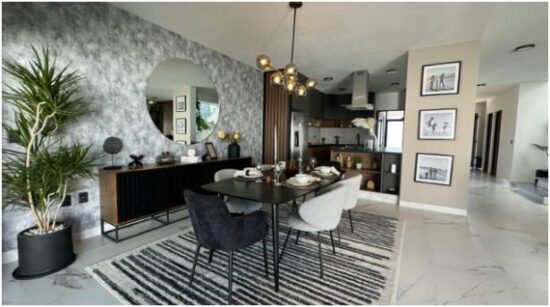
No nature-inspired design is complete without the inclusion of living plants. Greenery not only adds a vibrant splash of color but also purifies the air and has been shown to boost mood.
Choosing the Right Plants
Select a variety of plants with different leaf shapes, sizes, and shades of green. A tall fiddle-leaf fig can create a dramatic statement in a corner, while a trailing pothos can soften the hard lines of a bookshelf. Small succulents or air plants can be grouped on a windowsill or side table. Pay attention to the light requirements of each plant to ensure they thrive in your space.
Styling with Planters
The containers you choose for your plants are another opportunity to add texture and style. Terracotta pots offer a classic, earthy feel, while ceramic planters can introduce a pop of color or a unique pattern. Woven baskets can be used as cachepots to hide plastic nursery pots and add another layer of natural texture.
By thoughtfully combining earthy tones and rich textures, you can transform any room into a peaceful retreat. This design philosophy is about more than just aesthetics; it is about creating a home that nurtures your well-being by connecting you to the calming influence of the natural world.