

For many tennis enthusiasts, the sport is more than just a hobby—it’s a lifelong passion. The sound of a clean serve, the strategy behind every rally, and the community built around the game create an experience unlike any other. If you’ve ever dreamed of channeling that passion into something bigger, opening your own tennis court facility could be the perfect opportunity. With the right planning, strategy, and commitment, you can transform your love for the game into a profitable and rewarding business.
Start with a Clear Game Plan
Every successful venture begins with a solid plan. Before breaking ground, outline your vision. Are you building a private training facility, a community court, or a full-scale tennis club with multiple courts and amenities? Your concept will influence your budget, location, staffing, and marketing strategy.
Conduct market research to understand demand in your area. Look at local demographics, competing facilities, and community interest in tennis programs. Identify gaps you can fill—perhaps youth development programs, adult leagues, or specialized coaching clinics. A detailed business plan will not only guide your decisions but also help secure financing if needed.
Choosing the Right Location
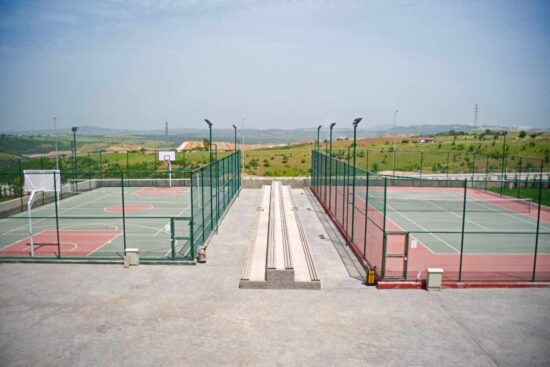
Location is one of the most critical factors in your success. Ideally, your tennis court facility should be easily accessible, visible, and located in an area with strong community engagement. Proximity to schools, residential neighborhoods, and recreational centers can significantly boost participation rates.
Consider zoning regulations, parking availability, and future expansion opportunities. If you’re in a region with varying weather conditions, you may want to evaluate the feasibility of indoor courts to ensure year-round play. A strategic location makes it easier to build a consistent customer base and establish your reputation.
Designing for Performance and Longevity
When building your courts, quality matters. The type of surface—hard court, clay, or synthetic—will affect both construction costs and maintenance requirements. Hard courts are popular for their durability and lower upkeep, while clay courts offer a traditional playing experience but require more maintenance.
Work with experienced contractors who specialize in sports facility construction. Proper drainage, fencing, lighting, and seating areas all contribute to player satisfaction. Investing in high-quality materials upfront can reduce long-term repair expenses and keep your facility looking professional.
Ongoing maintenance is equally important. Regular inspections, cleaning, and resurfacing will protect your investment and ensure player safety. For example, services like tennis court resurfacing in Utah demonstrate how climate-specific expertise can extend the life of courts in regions with temperature fluctuations.
Building Revenue Streams
To turn your passion into profit, you’ll need multiple income sources. Court rentals are just the beginning. Consider offering:
- Private and group lessons
- Seasonal leagues and tournaments
- Youth development programs
- Summer camps
- Membership packages
- Equipment sales and rentals
Hosting tournaments can also generate revenue while increasing visibility. Partnering with local sponsors or community organizations adds credibility and attracts more participants. Diversifying your offerings helps stabilize income throughout the year.
Hiring the Right Team

Your staff will shape the culture and reputation of your tennis facility. Qualified coaches with strong communication skills can turn first-time players into long-term members. Front desk staff should be organized, friendly, and capable of managing bookings efficiently.
Invest in ongoing training and encourage certifications to maintain high standards. A knowledgeable and welcoming team fosters loyalty and positive word-of-mouth marketing—both invaluable for business growth.
Marketing Your Tennis Business
Even the best facility needs effective marketing. Start by building a professional website that clearly outlines your services, pricing, and scheduling options. Make online booking simple and convenient.
Leverage social media platforms to showcase lessons, highlight success stories, and promote upcoming events. Share photos, short training tips, and community engagement posts to keep your audience interested. Email newsletters can help retain members by announcing promotions and seasonal programs.
Community outreach is another powerful tool. Collaborate with local schools, fitness centers, and community organizations to introduce tennis to new audiences. Offering introductory clinics or free trial sessions can spark interest and drive memberships.
Creating a Community Hub

A successful tennis court business goes beyond providing a place to play—it creates a sense of belonging. Host social events, themed tournaments, and family-friendly activities to strengthen connections among members. Comfortable seating areas and small amenities like refreshments can enhance the overall experience.
Encourage feedback and actively respond to suggestions. When members feel heard and valued, they are more likely to stay loyal and recommend your facility to others.
Preparing for Long-Term Success
Like any business, opening a tennis court requires patience and persistence. Monitor your finances carefully, track attendance trends, and adapt to changing community needs. Reinvest profits into facility improvements, updated equipment, and expanded programming.
Turning your passion for tennis into a business is both challenging and deeply rewarding. With careful planning, strategic marketing, and a commitment to excellence, your tennis court can become a thriving center for competition, camaraderie, and growth. When you combine love for the game with smart entrepreneurship, you’re not just building courts—you’re building opportunities for others to experience the joy of tennis.