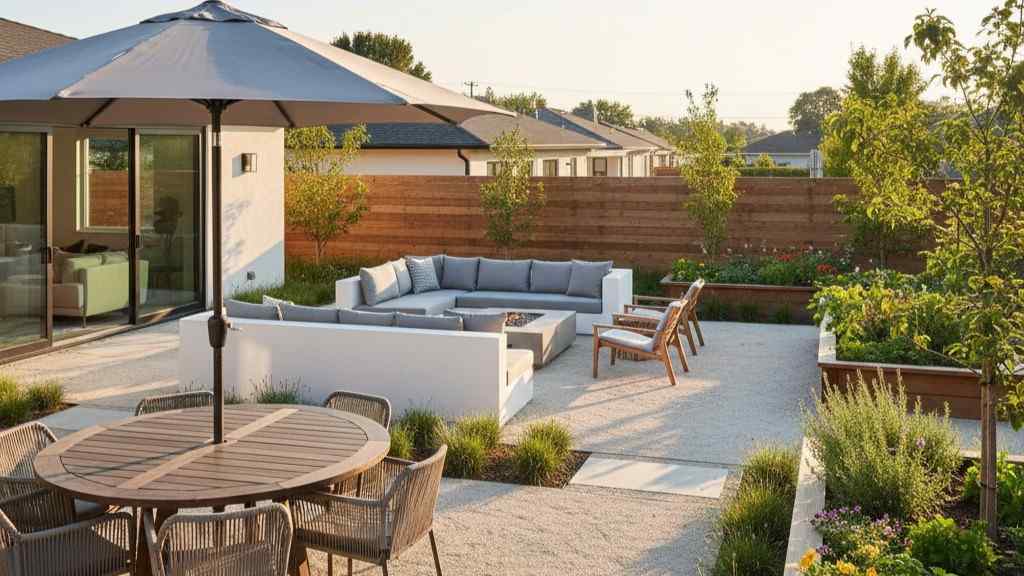
Transforming your outdoor space into a functional and inviting area doesn’t have to be overwhelming. With thoughtful planning and a clear vision, you can create outdoor layout planning that complements your lifestyle and maximizes your property’s potential.
Assess Your Space
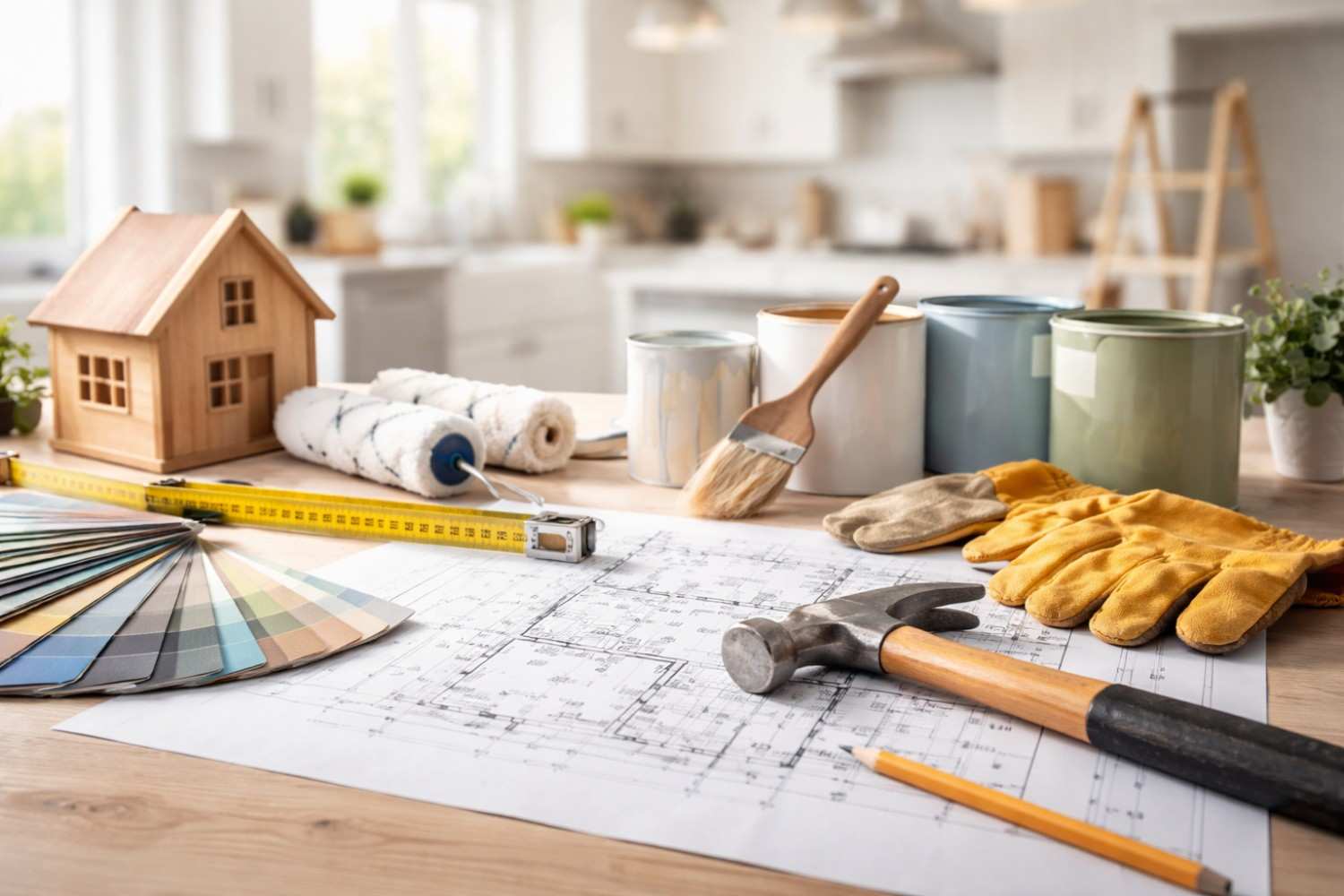
Before you start shopping for furniture or sketching design ideas, take time to understand what you’re working with. Grab a measuring tape and record the dimensions of your outdoor area. Note any fixed features like trees, slopes, or existing structures that will influence your layout. If you need help with this step, a landscape company around Salt Lake City can provide a professional site analysis.
Pay attention to how sunlight moves across your space throughout the day. Areas that receive full afternoon sun might be perfect for a dining zone with a shade structure, while shadier spots could work well for quiet reading nooks. Track sun exposure over several days to get an accurate picture of light patterns.
Consider drainage and ground conditions too. Low spots that collect water after rain aren’t ideal for seating areas, but they might support moisture-loving plants. Understanding these practical elements now will save you from costly mistakes later.
Define Your Purpose
What do you want from your outdoor space? This question shapes every decision that follows. Some homeowners crave an entertainment hub where friends gather for weekend barbecues. Others prioritize a peaceful retreat for morning coffee and meditation.
Make a list of activities you’d like your outdoor area to support. Do you need space for kids to play? Will you host dinner parties? Are you hoping to grow vegetables or create a pollinator garden? Be honest about how you’ll actually use the space rather than designing for an idealized version of your lifestyle.
Your priorities will determine how you allocate square footage. A family that loves outdoor dining might dedicate 60% of their patio to a large table and cooking area, while someone focused on relaxation might reserve most of their space for comfortable lounge seating and greenery.
Zoning Your Layout
Once you know your space and purpose, it’s time to create distinct zones. Think of your outdoor area as a series of rooms, each with its own function. This approach helps organize the space and creates natural flow.
Start by identifying primary zones based on your priorities. Common areas include dining spaces, conversation areas, cooking stations, and garden beds. Position these zones thoughtfully—place your grill within easy reach of both the kitchen and dining area, for example, or situate a fire pit where it becomes a natural gathering point.
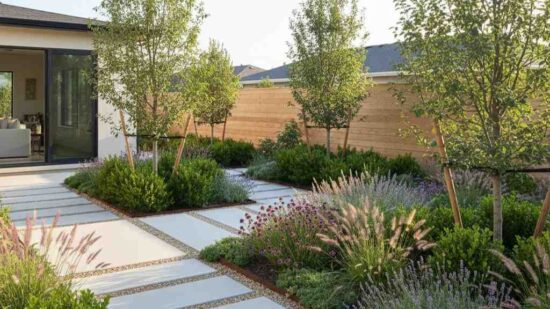
Pathways connect these zones and guide movement through the space. A well-placed walkway does more than get you from point A to point B; it creates rhythm and prevents your lawn from developing worn paths in random places. Keep main pathways at least three feet wide so two people can walk side by side comfortably.
Consider sightlines as you zone your layout. What will you see from your most-used indoor spaces? Position attractive focal points—a water feature, sculpture, or beautiful plantings—where they’ll be visible from inside your home. This extends your living space visually even when you’re indoors.
Material and Plant Selection
The materials and plants you choose will determine how well your outdoor layout performs over time. Durability matters, especially in areas exposed to harsh weather. Research which materials hold up best in your climate and match your maintenance preferences.
For furniture, consider how pieces will be used. Dining chairs need to be sturdy and easy to clean, while lounge seating should prioritize comfort. Look for weather-resistant options like teak, powder-coated aluminum, or all-weather wicker. If you’re drawn to cushioned pieces, make sure fabrics are specifically designed for outdoor use with UV and moisture resistance.
Hardscaping materials like pavers, gravel, or decking create the foundation of your layout. Choose options that complement your home’s architecture while meeting practical needs. Permeable materials help with drainage and are often more environmentally friendly than solid concrete.
Plant selection requires matching species to your specific conditions. Don’t fight your environment by choosing plants that need constant watering in a dry climate or sun-loving varieties for shaded areas. Native plants typically require less maintenance and support local wildlife.
Think in layers when planning plantings. Tall shrubs or small trees can provide privacy and define boundaries. Mid-height perennials add color and interest at eye level. Low groundcovers soften edges and fill gaps. This layered approach creates depth and makes your space feel more established.
Final Touches
Lighting transforms your outdoor space from a daytime-only area into an evening destination. It’s the best backyard upgrade that is stylish and adds value. Layer different types of lighting for both function and ambiance. Path lights ensure safe navigation after dark, while uplighting on trees or architectural features adds drama. String lights or lanterns create a welcoming glow perfect for entertaining.
Consider installing dimmers or smart lighting systems that let you adjust brightness and mood. Solar-powered options work well for areas without electrical access, though they typically provide less light than wired fixtures.
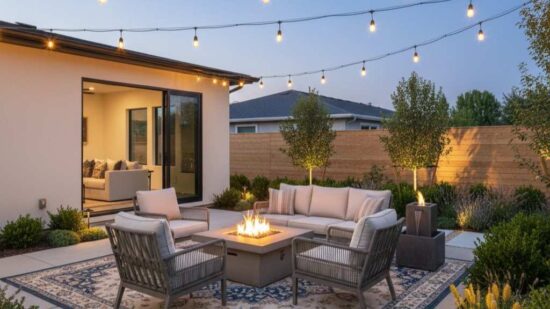
Decor elements bring personality to your layout. Outdoor rugs define seating areas and add comfort underfoot. Throw pillows introduce color and can be easily swapped with the seasons. Container gardens provide flexibility—move them around to refresh your layout or bring tender plants indoors when temperatures drop.
Don’t forget practical accessories like storage for cushions, hooks for hanging planters, or a potting bench if you’re serious about gardening. These functional pieces keep your space organized and make it more enjoyable to use.
Water features add soothing sound and become natural focal points. Even a small fountain can create a sense of tranquility. If maintenance concerns you, look for self-contained models that recirculate water and require minimal upkeep.
Conclusion
Create an outdoor layout planning that works for you is an iterative process. Start with the fundamentals—understanding your space, defining clear purposes, and establishing functional zones. Build from there with materials and plants suited to your environment and lifestyle.