
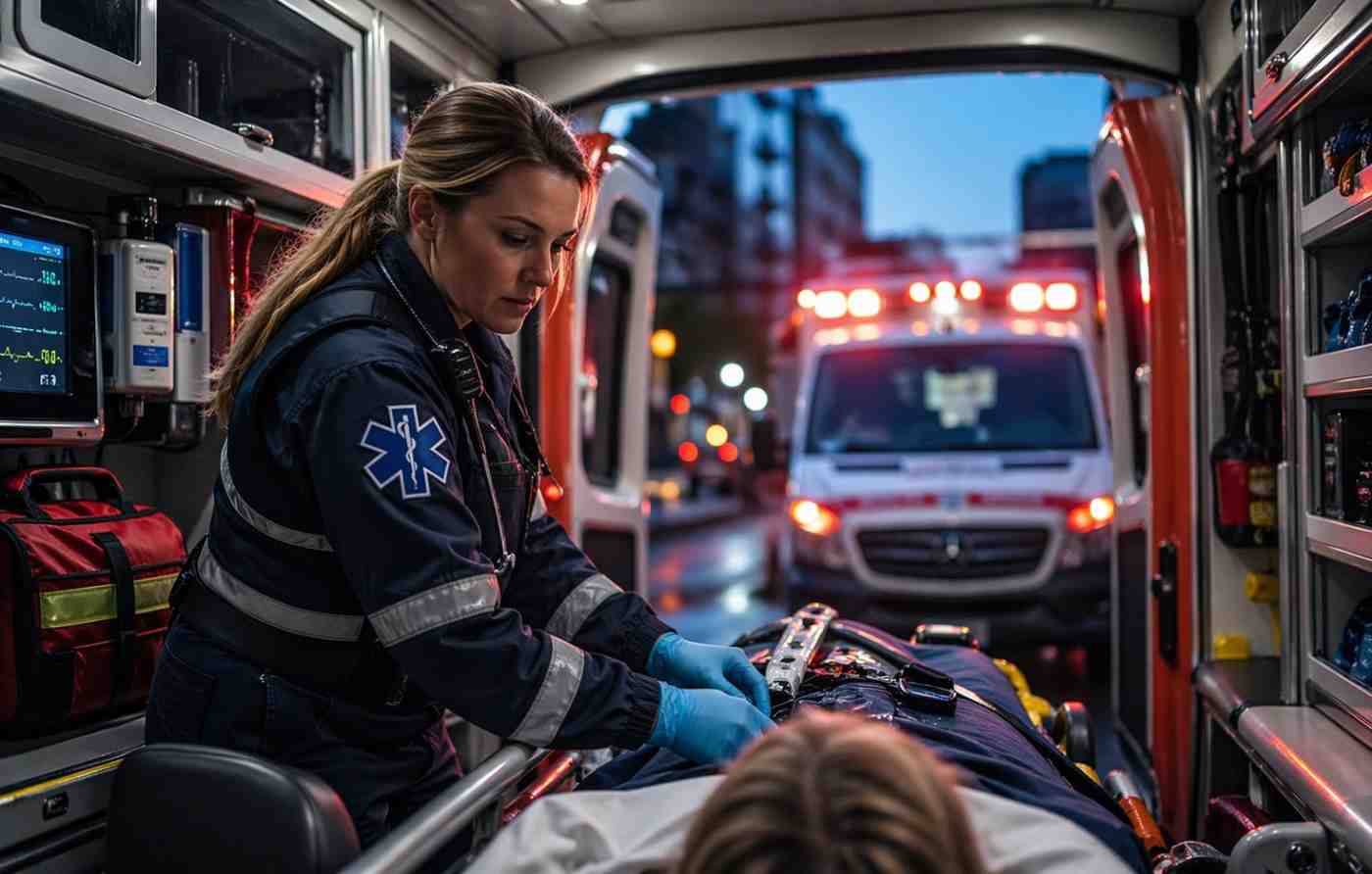
Ambulances are often associated with urgency, flashing lights, and high-speed travel through traffic. However, behind every siren lies a carefully coordinated system of safety practices designed to protect patients, medical staff, and everyone on the road. While speed is important in emergencies, safety remains the foundation of effective ambulance operations.
The Balance Between Speed and Safety
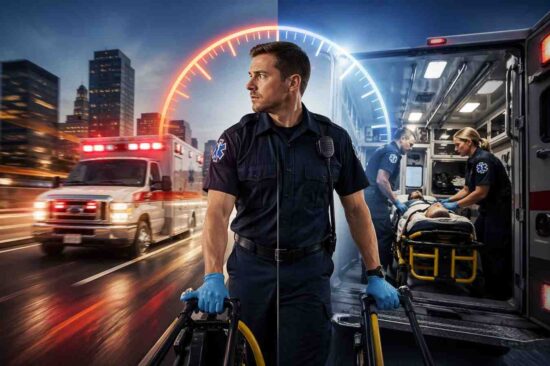
One of the biggest challenges in ambulance operations is maintaining a balance between rapid response and safe driving. Emergency medical services (EMS) teams are trained to make quick decisions, but they are also taught that reckless driving can create additional emergencies.
Drivers must assess road conditions, traffic density, weather, and patient stability before increasing speed. In many cases, arriving safely a few seconds later is far better than risking an accident that could delay care indefinitely.
Communication Inside and Outside the Ambulance
Clear communication is essential in every stage of an ambulance response. Inside the vehicle, paramedics must continuously update each other on the patient’s condition, vital signs, and any changes in treatment. This ensures that care is consistent and immediate adjustments can be made when necessary.
Communication with dispatch centers is equally important. Dispatchers provide real-time updates about traffic conditions, hospital availability, and alternative routes. This coordination helps reduce delays and improves overall safety during transport, especially when broader public health factors—such as how water source matters in certain emergencies—can influence response priorities and preparedness.
Safe Driving Techniques for Emergency Situations
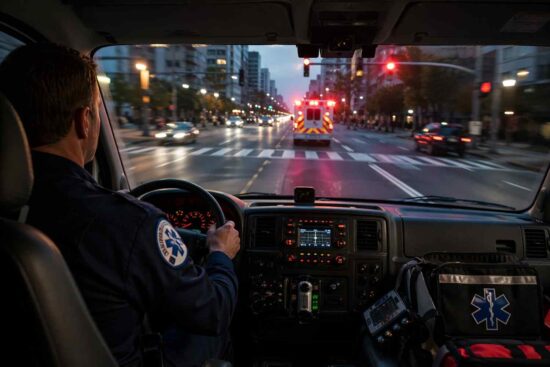
Ambulance drivers undergo specialized training to handle high-pressure situations. Defensive driving techniques are a core part of this training. Drivers are taught to anticipate the actions of other motorists, maintain safe distances, and avoid unnecessary lane changes.
Intersections are particularly high-risk areas. Even when responding to emergencies, drivers must slow down and ensure that cross traffic has yielded before proceeding. These precautions significantly reduce the risk of collisions.
Equipment and Patient Security
Inside the ambulance, patient safety is just as important as road safety. Patients are secured using stretchers, straps, and locking systems designed to minimize movement during transport. Any sudden stops or sharp turns can worsen injuries, so proper immobilization is critical.
Medical equipment such as oxygen tanks, monitors, and IV stands must also be securely fastened. Loose equipment can become dangerous projectiles in the event of sudden braking.
The Role of Emergency Vehicle Lights

Visual warning systems play a vital role in ambulance safety. The use of emergency vehicle lights helps alert other drivers to yield the right of way, reducing the likelihood of traffic conflicts. These lights, combined with sirens, create a clear signal that an emergency vehicle is approaching and needs priority passage.
However, reliance on lights and sirens alone is not enough. Many accidents still occur when drivers fail to notice or respond appropriately. That is why EMS teams are trained to proceed cautiously even when visibility tools are active.
Coordination with Hospitals and Emergency Teams
Safety does not end when the ambulance reaches its destination. Hospitals must be prepared to receive patients quickly and efficiently. Pre-arrival notifications allow emergency departments to prepare equipment, staff, and treatment areas in advance.
This coordination reduces transfer time and ensures that patients receive immediate care upon arrival, minimizing risks during handover.
Continuous Training and Safety Improvement
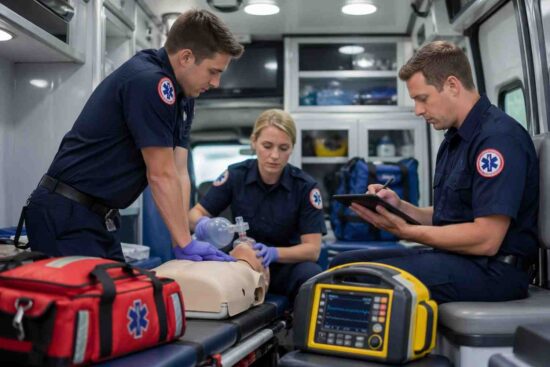
Ambulance safety is not static—it evolves with new technologies, regulations, and training methods. EMS personnel regularly participate in refresher courses covering driving safety, patient handling, and emergency response protocols.
Many organizations also review past incidents to identify areas for improvement. These evaluations help refine procedures and prevent similar issues in the future.
In Conclusion
Behind every siren is a team committed not only to speed but to precision, coordination, and safety. Ambulance operations rely on a combination of skilled driving, effective communication, secure patient handling, and advanced warning systems to ensure the safest possible journey.
While emergencies demand urgency, true effectiveness in EMS comes from controlled, informed, and safety-focused action—because every life on board and on the road matters.