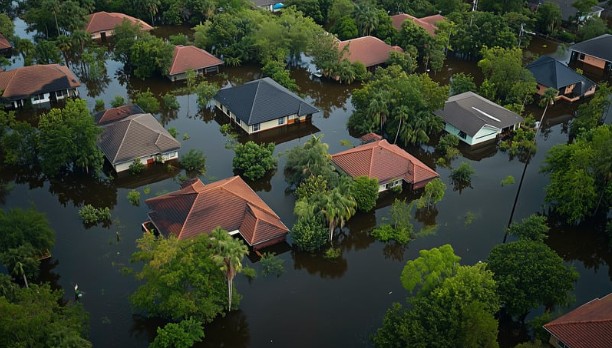
Living in a tropical climate brings beautiful sunny days but also the constant threat of powerful storms. High winds and heavy rains test the limits of local infrastructure every single year. You cannot control the weather, but you can control how well you prepare for it. This guide outlines practical steps to protect your property and loved ones before the dark clouds gather. You will learn how to fortify your house, build a functional supply kit, and create a solid evacuation strategy.
Preparing Your Home for the Elements
The structural integrity of your house serves as your first line of defense against extreme conditions. Taking proactive measures months before a hurricane hits significantly reduces the risk of catastrophic damage.
Securing Weak Points
Strong winds search for easy entry points to compromise a building. Garage doors and weak roof shingles often fail first under immense pressure. Reinforcing these areas with specialized bracing systems keeps the wind outside where it belongs. Routine inspections help identify loose tiles or rotting wood that need immediate attention. Hiring a licensed inspector can uncover hidden vulnerabilities you might overlook.
Upgrading Your Glass
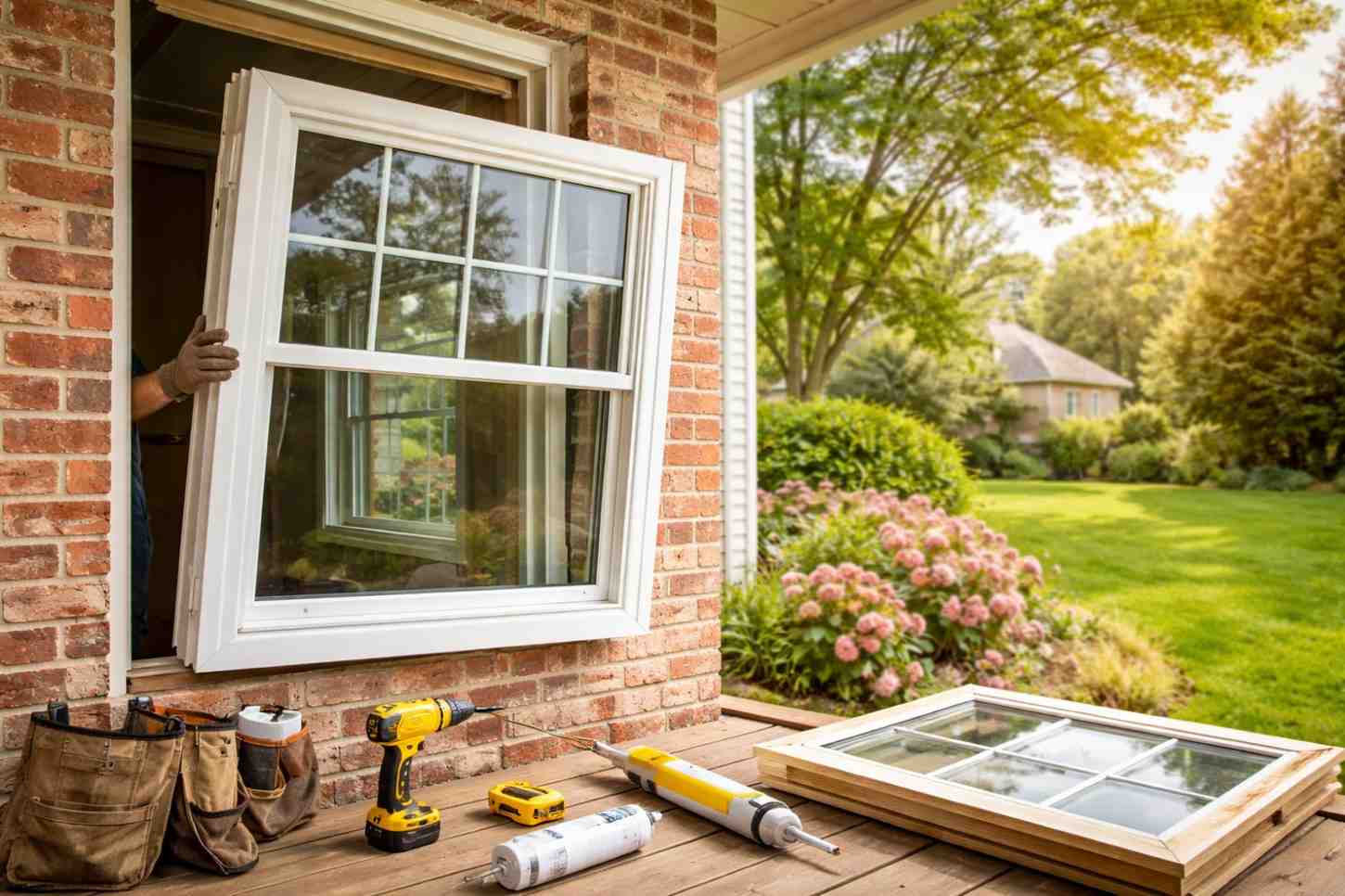
Flying debris acts like a missile during a severe weather event. Standard glass shatters easily, allowing rain and wind to enter your living space. Many homeowners choose to upgrade their physical barriers to prevent this dangerous scenario. For example, investing in impact windows in Davie, FL, provides a sturdy shield against hurricane force gusts. These specialized fixtures feature multiple layers of reinforced glass designed to spiderweb rather than break apart upon impact.
Managing Exterior Landscaping
The trees and shrubs around your property pose a significant threat during high winds. Dead branches easily snap off and crash through roofs or damage vehicles. Trim your large trees well before the storm season begins. Remove loose yard ornaments, patio furniture, and potted plants from your lawn when a storm approaches. Storing these items in a secure garage prevents them from becoming dangerous airborne projectiles.
Building a Reliable Emergency Kit

When the power grid fails, you must rely entirely on the items you gathered beforehand. Waiting until a warning is issued usually results in facing empty grocery store shelves and long lines. Just as performing repairs that improve safety and comfort in home ensures you’re prepared, gathering essentials ahead of time guarantees you’re ready for any emergency.
Essential Supplies to Gather
Every household requires a carefully curated survival box. Stock up on one gallon of water per person per day for at least a week. Purchase non-perishable foods that do not require cooking or refrigeration. Add a battery-operated radio, multiple flashlights, and a comprehensive first aid kit to your plastic storage bins. Do not forget to include extra batteries and a manual can opener.
Storing Important Documents
Physical recovery after a disaster requires access to your financial and medical records. Place your insurance policies, property deeds, and identification cards inside a waterproof container. Keeping digital copies on a portable flash drive offers an excellent backup method. You should also include a small amount of physical cash, as credit card machines will not work without electricity.
Creating a Family Action Plan

Chaos thrives when people do not know what to do during an emergency. Establishing clear rules and expectations keeps everyone calm and focused when the storm arrives.
Establishing Communication Methods
Cellular networks often become overloaded or damaged during high winds. Designate an out-of-state relative to act as a central point of contact for your family members. If you get separated, everyone can call this single person to check in and report their location. Text messages frequently go through even when phone calls fail, so prioritize typing over talking.
Knowing Your Evacuation Routes
Local officials issue mandatory evacuation orders when staying behind becomes too dangerous. Familiarize yourself with the official escape routes designated by your county. Map out several different paths in case falling trees block your primary choice.
Secure a safe destination, like a designated shelter or a hotel, well in advance to avoid last-minute panic. Similarly, be aware of hidden electrical risks in older homes that could pose a danger during emergencies, especially when power systems are compromised.
Staying Informed During the Storm
Accurate information saves lives when conditions deteriorate rapidly. Rely on official sources like the National Weather Service rather than social media rumors. Keep your weather radio charged and listen carefully to emergency broadcasts. Follow the instructions of local authorities without hesitation, even if the weather outside currently looks calm.
Conclusion
Surviving extreme weather requires diligence and forward thinking. Start evaluating your property today to find areas that need reinforcement. Gather your supplies slowly over the next few weeks to spread out the financial cost. A well-prepared household faces nature with confidence rather than fear. Take these necessary steps now to guarantee your safety when the next major storm arrives.