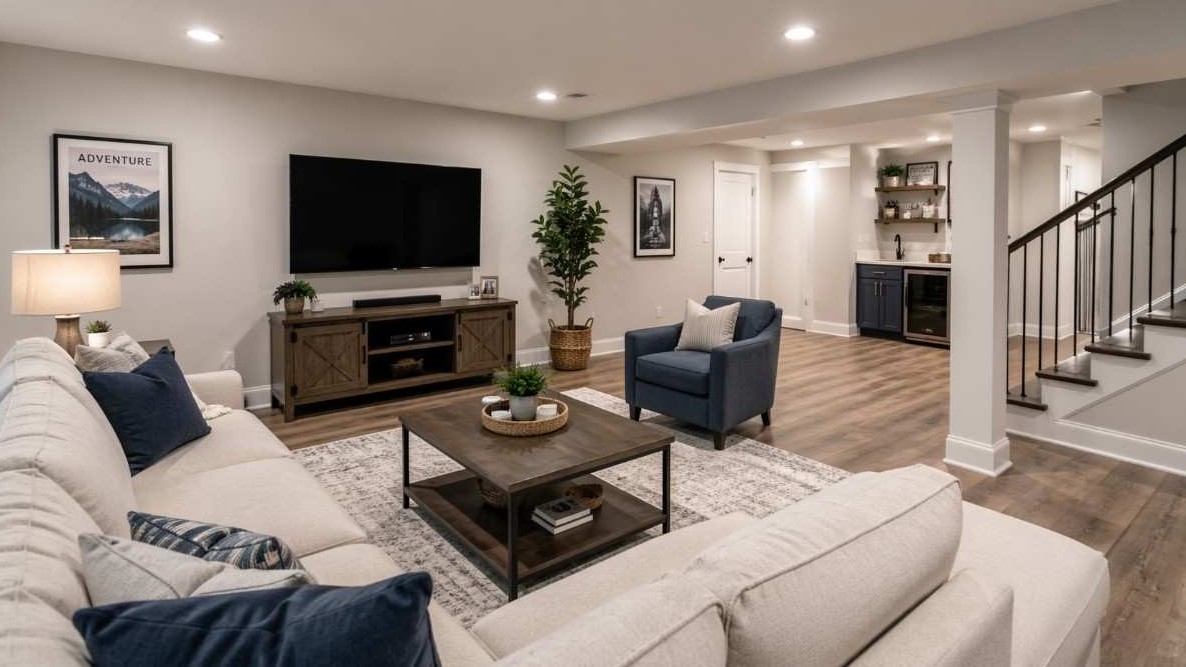
An unfinished lower level holds massive potential for your home. Many people leave this area untouched because the renovation process feels overwhelming. However, transforming a dark storage area into an inviting room adds incredible value and usable square footage to your property.
We will guide you through the essential steps to create a comfortable, functional environment. You will learn how to handle moisture, plan an effective layout, and choose the right materials for a successful remodel.
Assessing Your Space and Moisture Levels
Checking for Water Issues
Before hanging any drywall, you must verify that the area stays completely dry year-round. Water damage will quickly destroy new floors and create hazardous mold. Inspect your concrete foundation carefully for cracks or damp spots. Tape a square of clear plastic to the floor and wait a few days. If condensation forms underneath, you have a moisture problem that requires immediate attention.
Waterproofing Solutions
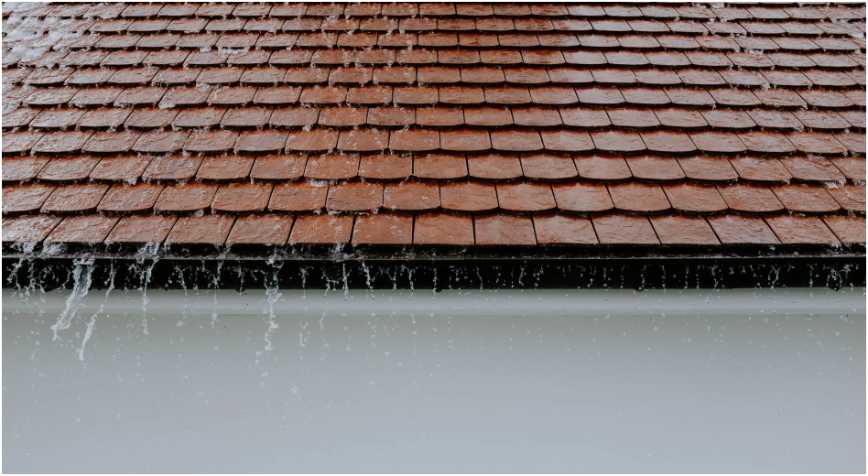
Fixing water intrusion starts on the outside of your house. Clean your gutters and ensure the soil slopes away from your foundation. Inside, apply a high-quality masonry waterproofer to the bare concrete walls. If you experience severe leaks, you might need to install a perimeter drain and a sump pump. Always resolve water issues completely before moving forward with any cosmetic upgrades.
Planning the Layout and Function
Defining the Room
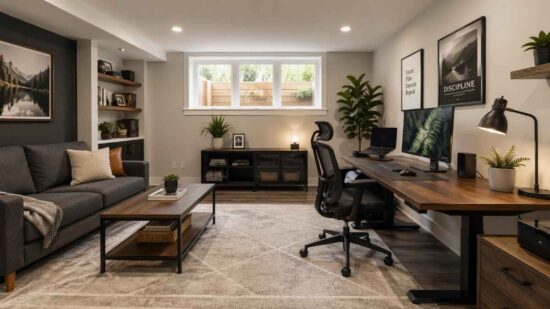
Decide exactly how you want to use the new square footage as your modern living space. A home theater requires different wiring and lighting than a guest bedroom or a quiet home office. Sketch a basic floor plan to visualize where your furniture will go.
Keep the existing plumbing in mind if you plan to add a bathroom. Moving pipes adds significant costs to your project, so try to build near the current lines.
Maximizing Natural Light
Lower levels often lack adequate sunlight, which makes them feel cramped. If your budget allows, enlarge existing window openings to let more sunshine inside. You can also strategically place recessed LED lights across the ceiling to eliminate dark corners. Paint the walls with light, warm colors to reflect the available light and create a cheerful atmosphere.
Installing Proper Insulation and Flooring
Keeping the Cold Out
Proper insulation regulates the temperature and blocks unwanted noise from upstairs. You want this new room to feel just as comfortable as the rest of your house. Homeowners exploring basement finishing in Utah understand that proper climate control prevents freezing pipes and keeps energy bills low during harsh winters.
Use closed-cell spray foam or rigid foam boards on the exterior walls to create a strong thermal barrier. Heating and cooling this new space requires careful thought. Consult a technician to see if your current system can handle the extra air volume.
Choosing Durable Floors
These are a must interior feature for every home. Solid hardwood warps easily when exposed to ground moisture. Instead, select durable materials engineered for subterranean environments. Luxury vinyl planks offer the beautiful look of real wood but resist water completely.
Ceramic tile provides another excellent, waterproof option. If you prefer a softer surface, choose low-pile carpet squares. You can easily replace a single damaged square if an accidental spill occurs.
Navigating Permits and Building Codes

Ensuring Safety and Compliance
Skipping the permit process might seem like a great way to save time and money. However, unpermitted work often causes major headaches when you try to sell your home later.
Local building codes exist to keep your family safe. They dictate mandatory ceiling heights, proper electrical wiring standards, and emergency exit window requirements.
Working with Professionals
Some tasks require specialized skills that go beyond basic weekend project knowledge. Hiring licensed electricians and plumbers ensures your layout meets all legal safety standards. A professional contractor can help you navigate the tricky permit process and schedule required city inspections.
Their expertise often saves you money by preventing costly amateur mistakes. They also have established relationships with suppliers, helping you secure better prices on high-quality building materials.
Conclusion
Creating a livable lower level requires careful planning and a strict focus on structural safety. Start by eliminating any moisture and designing a practical layout. Choose resilient materials that can withstand unique subterranean conditions. Always follow local building codes to protect your financial investment.
Gather your ideas, assess your current foundation, and begin mapping out your dream space today. By taking these systematic steps, you can successfully turn an empty concrete box into your favorite living space in the house.