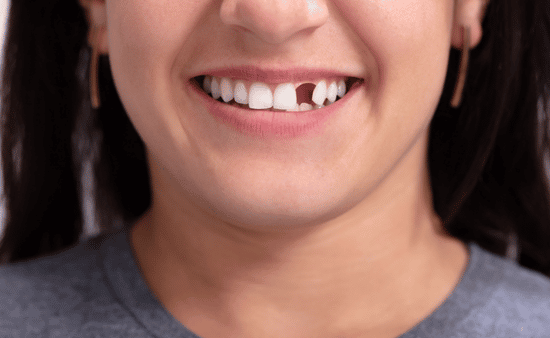
Losing an adult tooth can happen for many reasons. An unexpected sports injury, a severe cavity, or progressive gum disease can all result in a gap in your smile. When a tooth is lost, the immediate reaction is often concern, but if the missing tooth is out of sight, that urgency can quickly fade. Many people choose to ignore the issue, hoping it will not cause any further trouble.
The Immediate Consequences of Tooth Loss
The initial effects of a missing tooth become obvious almost immediately. These changes affect how you navigate your daily routines and interact with others.
Difficulty Chewing and Eating
Your teeth each play a specific role in breaking down food. Incisors cut, canines tear, and molars grind. When a tooth is missing, you naturally shift your chewing patterns to compensate. This places excessive stress on the remaining teeth, leading to premature wear and enamel damage. Certain crunchy or tough foods may become too difficult to eat, forcing you to alter your diet.
Speech Changes
Teeth are essential for proper pronunciation. Your tongue presses against your teeth to form specific sounds. A missing tooth can create a sudden lisp or alter the clarity of your speech. This can make communication frustrating and cause you to feel self-conscious during conversations.
Aesthetic Concerns
Long-Term Oral Health Issues
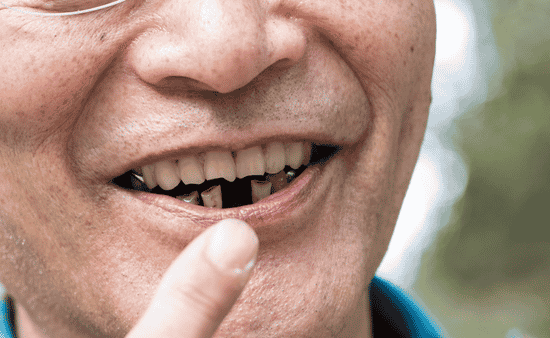
The most severe consequences of a missing tooth occur beneath the surface over a prolonged period.
Jawbone Deterioration
Your jawbone requires constant stimulation from chewing to maintain its density. When a tooth is lost, that section of the jawbone no longer receives the necessary pressure. The body senses this lack of activity and begins to resorb the bone tissue. Over time, this leads to significant bone loss, which can weaken the jaw and change your facial structure, often resulting in a sunken appearance.
Shifting Teeth
Teeth rely on their neighbors for support to stay in their proper positions. When a gap opens up, the adjacent teeth slowly drift into the space. This movement misaligns your bite, creating new hiding spots for plaque and making your teeth much harder to clean.
A misaligned bite can also cause chronic jaw pain and headaches. Understanding the effects of dental realignment on facial symmetry highlights the importance of correcting these issues, as properly aligned teeth help restore balance to the bite and contribute to a more harmonious facial appearance.
Increased Risk of Gum Disease
The shifting of teeth creates hard-to-reach areas where bacteria thrive. This dramatically increases your risk of developing periodontal disease. Gum disease not only threatens your remaining teeth but also causes severe inflammation that can spread throughout the mouth.
Systemic Health Implications
Your oral health is directly connected to the rest of your body. When missing teeth lead to poor dietary choices and chronic gum disease, your systemic health suffers. Recognizing key signs of gum disease you shouldn’t ignore—such as persistent bad breath, bleeding gums, swelling, and gum recession—is essential for protecting both your dental health and your overall well-being.
Because chewing becomes difficult, many people with missing teeth consume softer, highly processed foods while avoiding fibrous fruits, vegetables, and lean proteins. This nutritional deficit can weaken the immune system and negatively impact overall health.
Furthermore, the bacteria associated with severe gum disease can enter the bloodstream. Research has consistently linked chronic oral inflammation to systemic conditions like cardiovascular disease, diabetes complications, and respiratory infections.
Effective Treatment Options to Restore Your Smile
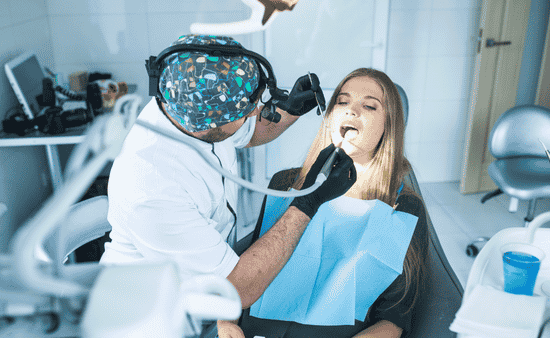
Modern dentistry offers several reliable solutions for replacing missing teeth. Consulting with a dental professional will help you determine the best path forward based on your specific needs, budget, and oral health status.
Dental Implants
Implants are widely considered the gold standard for tooth replacement. A titanium post is surgically placed into the jawbone, acting as an artificial root that prevents bone loss. Once healed, a custom crown is attached to the top. If you have lost a highly visible tooth, front dental implants in Harrisonburg, VA, provide a seamless, natural-looking restoration that functions exactly like a real tooth.
Dental Bridges
A bridge fills the gap created by one or more missing teeth. It consists of an artificial tooth anchored by crowns placed on the healthy teeth adjacent to the gap. Bridges are an excellent, non-surgical option that restores chewing function and prevents neighboring teeth from shifting.
Dentures
For patients missing multiple teeth or an entire arch, dentures offer a practical and cost-effective solution. Partial dentures clip onto remaining healthy teeth, while full dentures replace an entire set. Today’s dentures are highly customizable, offering a comfortable fit and a natural appearance.
Conclusion
Taking action now will protect your jawbone, keep your remaining teeth perfectly aligned, and safeguard your overall physical health. Reach out to your dentist to discuss your restorative options. With the right treatment plan, you can reclaim your confidence and ensure your smile remains healthy for years to come.