
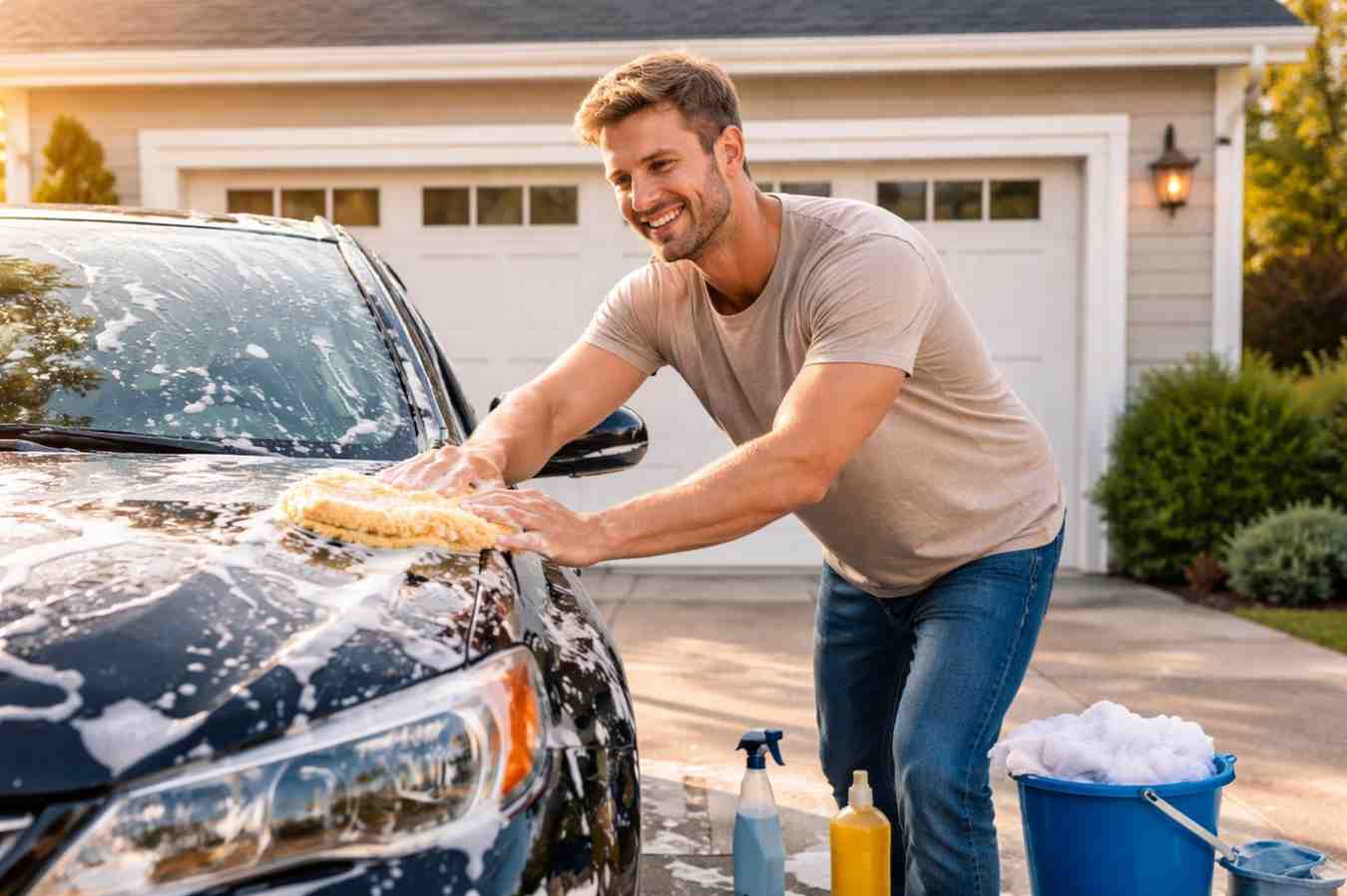
A vehicle represents a significant financial investment. Maintaining its mechanical health keeps it running, but preserving its exterior protects its actual value. Sun exposure, road debris, bird droppings, and harsh weather constantly assault the paint and clear coat. Without proper defense mechanisms, a glossy finish quickly fades into a dull, scratched surface.
Keeping a vehicle looking pristine requires more than a quick trip through an automated wash. It demands a consistent, proactive approach to cleaning and protection. This guide covers the most effective methods for maintaining a flawless finish and protecting your vehicle from environmental damage.
The Foundation of a Flawless Exterior
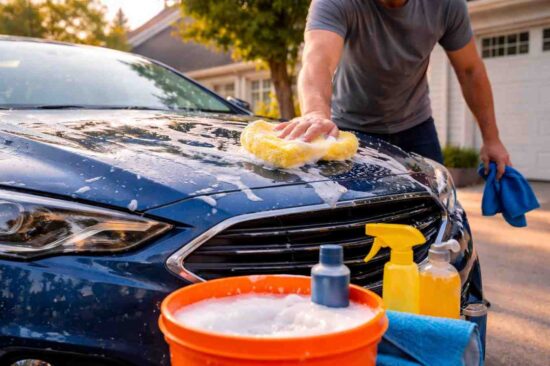
A meticulous cleaning routine serves as the first line of defense against paint degradation. Dirt and grime act like sandpaper. When left on the surface, these tiny particles create microscopic scratches that degrade the clear coat’s reflectivity.
Proper Washing Techniques
Hand washing remains the safest method for cleaning an automobile. Start by rinsing the entire vehicle thoroughly to remove loose dirt. Always use a dedicated automotive soap. Dish detergents contain harsh degreasers that strip away protective waxes and dry out rubber seals.
Employ the two-bucket method to prevent swirl marks. Fill one bucket with soapy water and another with clean water for rinsing your wash mitt. Dip the dirty mitt into the rinse bucket before reloading it with soap. This simple technique keeps abrasive grit trapped in the rinse bucket rather than dragging it back across your paint. Work from the top of the vehicle downward, as the lower sections accumulate the heaviest dirt.
The Importance of Drying
Allowing a vehicle to air dry leads to hard water spots. These spots occur when water evaporates and leaves behind mineral deposits that can permanently etch into the paint. Every car owner should always dry the surface immediately using thick, high-quality microfiber towels. Gently pull the towel across the surface to absorb moisture without applying heavy pressure.
Shielding Your Paint from the Elements
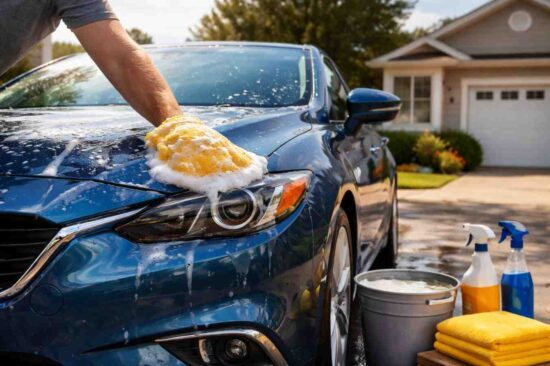
Clean paint remains vulnerable to the environment. Applying a sacrificial barrier over the clear coat blocks UV rays and prevents chemical etching from bug splatter and tree sap.
Waxing and Sealants
Traditional carnauba wax provides a deep, warm shine. It offers excellent protection but typically wears off after a few months. Synthetic polymer sealants offer a more durable alternative. These products bond directly with the clear coat and can protect the finish for up to six months. Apply your chosen product in a shaded area on cool paint to ensure an even application and easy removal.
Advanced Protective Films
For drivers seeking maximum defense against rock chips and severe road debris, paint protection film offers unmatched durability. This transparent layer absorbs impacts that would normally chip the paint down to the bare metal. Drivers in areas with heavy winter road salt or frequent gravel hazards often invest in this solution. For example, applying a clear bra in Salt Lake City helps vehicle owners prevent severe winter road damage to their front bumpers and hoods. The film preserves the factory finish and keeps the front end looking completely untouched.
Preventing Rust and Corrosion
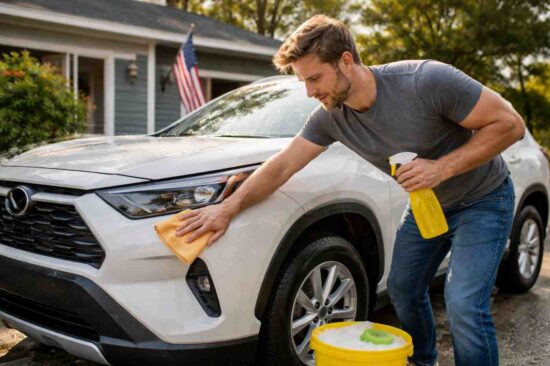
Rust spreads quickly and destroys both the appearance and structural integrity of a vehicle. Preventing oxidation requires constant vigilance and quick action.
Addressing Scratches Immediately
Every scratch that penetrates the clear coat creates an entry point for moisture. Inspect your vehicle regularly for rock chips or door dings. Clean the damaged area thoroughly and apply a high-quality touch-up paint to seal the exposed metal. Addressing these small blemishes immediately prevents rust from taking hold and spreading underneath the surrounding paint.
Routine Undercarriage Cleaning
The visible body panels are only half the battle. The undercarriage collects mud, salt, and moisture that accelerate corrosion. Use a hose attachment to thoroughly spray the underside of the vehicle after driving through heavy rain, mud, or winter slush. Keeping the frame and suspension components clean prevents localized rusting that could eventually compromise the vehicle body.
Keeping Wheels and Tires Looking New
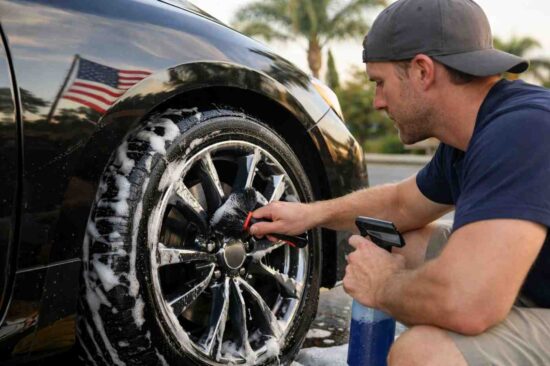
A perfectly polished car looks incomplete with dirty wheels and faded tires. Brake dust is highly corrosive and will pit alloy wheels if left uncleaned. Prevent mold growth and use a dedicated wheel cleaner and a soft brush to agitate the dust. Clean one wheel at a time and rinse completely before moving to the next.
After the tires dry, apply a water-based tire dressing. This step restores the deep black color and provides UV protection to prevent the rubber from cracking over time. Avoid thick silicone gels, as they tend to attract dust and sling grease onto the side panels while driving.
Committing to Exterior Excellence
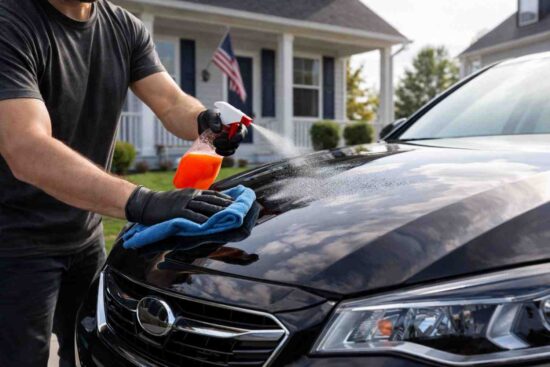
Consistent exterior care pays off in the long run. By washing properly, applying durable protective layers, and staying vigilant against minor damage, you preserve both the beauty and the resale value of your vehicle. Establish a regular maintenance schedule today to ensure your paint stays glossy and protected for years to come.