
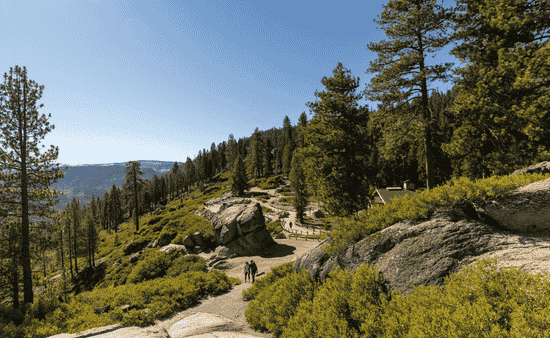
Hiking is a profoundly rewarding way to connect with the natural world, offering fresh air, physical exercise, and access to breathtaking vistas. However, like any outdoor pursuit, it carries inherent risks that require preparation and respect. Whether you are a casual weekend explorer or an experienced trekker, applying smart safety strategies is the key to ensuring your journey remains a memorable adventure rather than a medical emergency.
The Foundation of Planning
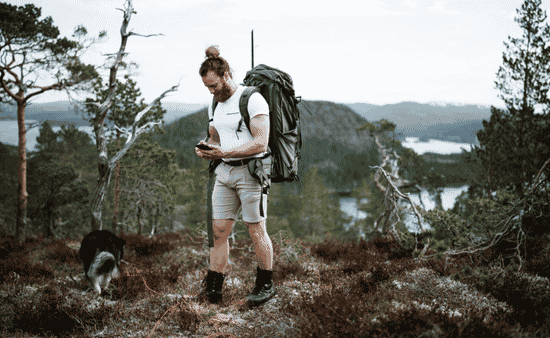
Safety begins long before you arrive at the trailhead. Detailed research is the cornerstone of any successful hike. Understanding the length, difficulty level, and specific terrain of your chosen route allows you to set realistic expectations.
Environmental awareness is equally critical; weather conditions in mountain or forest regions can shift with startling speed. Identifying potential hazards such as steep cliffs, river crossings, or areas susceptible to flash floods is vital for risk mitigation.
Crucially, never hike in total isolation without a safety net. Inform a trusted contact of your specific route, your expected return time, and who they should contact in an emergency. This single proactive step provides a lifeline should you encounter unforeseen trouble.
Packing for the Unexpected
Equipping yourself with the right gear is non-negotiable for a secure experience. Your pack should contain more than just food; it should serve as a survival kit. Essential navigation tools include physical maps, a compass, and GPS devices. While digital tools are convenient, they are prone to failure due to battery depletion or signal loss; therefore, mastering traditional navigation remains a vital safety skill.
In remote regions where cellular service is non-existent, maintaining a line of communication is paramount. Carrying a satellite walkie talkie or a satellite messenger ensures you can reach emergency services or your group regardless of your location.
Core Inventory Checklist
| Category | Essential Items |
|---|---|
| Communication | Satellite walkie talkie, whistle, personal locator beacon |
| Navigation | Map, compass, GPS device |
| Sustenance | Nutritious snacks, extra water, water purification |
| Protection | Moisture-wicking layers, first aid kit, multi-tool |
| Lighting | Flashlight or headlamp with extra batteries |
Physical Awareness and Footwear

Your feet are your most important asset on the trail. Investing in sturdy, supportive hiking boots or shoes significantly reduces the risk of ankle injuries and slips. It is essential to break in new footwear before a major trek to prevent debilitating blisters. Pairing your boots with moisture-wicking socks further protects against chafing and discomfort.
While on the move, listen to your body’s signals. Hiking is physically demanding, and it is important to pace yourself and take regular breaks. Be vigilant for symptoms of dehydration, heatstroke, or physical exhaustion. If you begin to feel unwell, the safest course of action is to cut the hike short rather than pushing through and risking a more serious injury.
Navigating the Environment Responsibly
Staying on marked, designated trails is one of the simplest and most effective ways to stay safe. These paths are maintained to minimize hazards and keep you away from dangerous or unstable terrain. Furthermore, staying on trail protects the environment by preventing erosion and preserving wildlife habitats.
When it comes to the local fauna, caution must always override curiosity. Maintain a safe distance from all animals and never attempt to feed them. Proper food storage is essential to avoid attracting wildlife to your camp or resting areas. Familiarize yourself with the specific wildlife in your region, such as bears or snakes, and understand the appropriate response should an encounter occur.
Emergency Preparedness
Despite the best planning, emergencies can occur. Carry a fully equipped first aid kit containing antiseptic wipes, bandages, and personal medications. Knowing basic first aid techniques and emergency signaling procedures can save valuable time during a crisis.
Finally, respect your limits. Avoid routes that exceed your current fitness or experience level. True trail-smart behavior is about maximizing the joy and serenity of nature by prioritizing your well-being. Prepare wisely, tread carefully, and every trail can be a safe and fulfilling journey.