
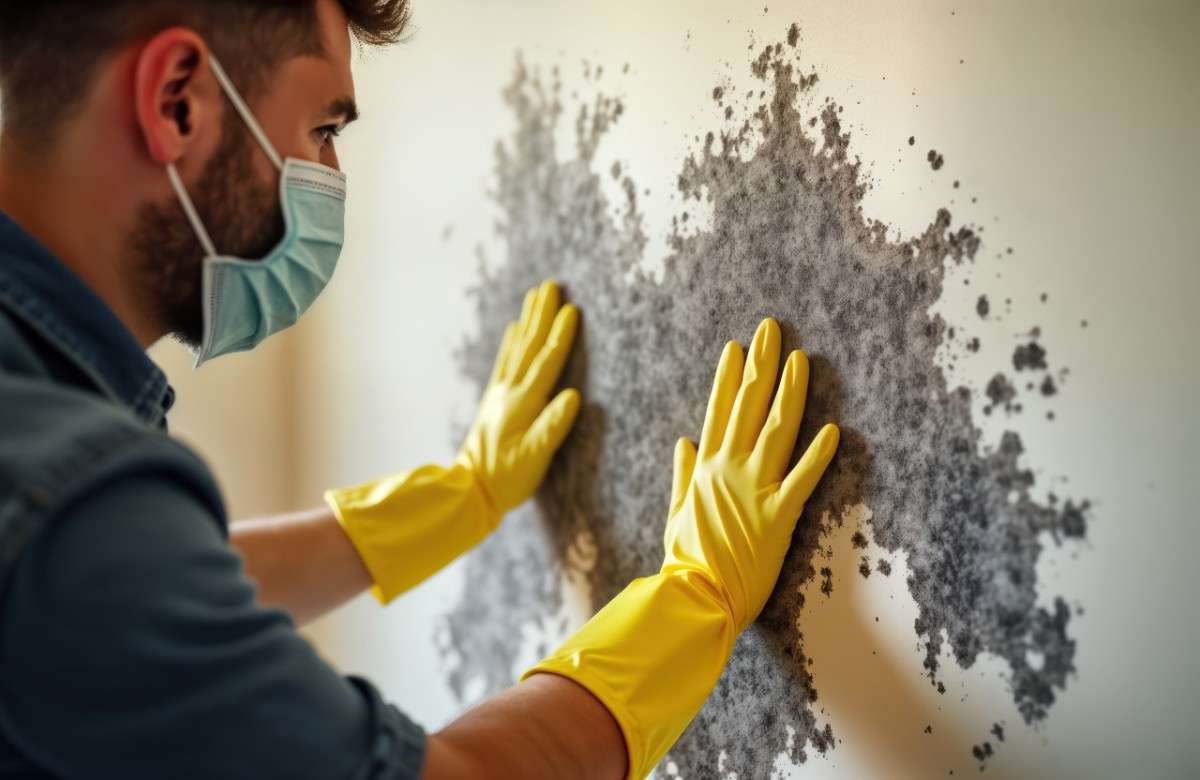
After heavy rain, water entering your home through leaks or poor drainage can lead to mold growth in as little as 24 to 48 hours. By the time you notice musty smells or dark patches, the problem may have already spread. However, mold is preventable with timely action.
Spotting the Early Signs of Moisture Intrusion
Catching water damage early is the single most effective way to prevent mold. The tricky part is that moisture often hides in places you don’t regularly inspect—inside walls, under flooring, and in crawl spaces.
- Water stains or discoloration on ceilings, walls, or floors
- Peeling or bubbling paint, which often signals trapped moisture beneath the surface
- Warped or buckling flooring, particularly with hardwood or laminate
- A persistent musty odor, even without visible mold
- Condensation on windows or pipes that seems excessive or lingers longer than usual
- Soft or spongy drywall, which can indicate water has been absorbed into the material
Don’t dismiss these signs as cosmetic issues. They’re your home signaling that moisture is present—and where moisture lingers, mold follows.
How to Dry Out Your Property Step by Step
Speed is everything when it comes to post-rain moisture control. The faster you act, the less chance mold has to take hold.
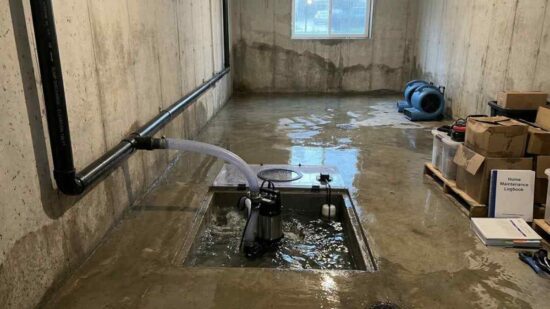
Step 1: Remove Standing Water Immediately
Use a wet/dry vacuum, mop, or towels to remove any visible standing water. If flooding is significant, a submersible pump may be necessary. For severe cases, professional emergency water cleanup services in Orem, UT can help extract large volumes of water quickly and safely.
Step 2: Pull Up Saturated Materials
Carpets, rugs, and padding absorb water rapidly and are notoriously difficult to dry thoroughly. If these materials have been soaked, it’s often safer to remove and replace them rather than risk mold forming underneath. The same applies to waterlogged drywall—if it’s soft to the touch, it likely needs to go.
Step 3: Use Fans to Accelerate Air Circulation
Set up multiple box fans or industrial air movers to push moist air out and draw dry air in. Point fans toward wet walls and floors, and open windows and doors if outdoor humidity allows. Avoid opening windows on humid days, as this can actually introduce more moisture.
Step 4: Apply a Disinfectant to Affected Surfaces
Once surfaces are dry, clean them with a diluted bleach solution (1 cup of bleach per gallon of water) or a commercial antimicrobial cleaner. This kills any mold spores that may have already started to settle, preventing them from taking root as conditions improve.
Step 5: Monitor Moisture Levels
A moisture meter is an inexpensive tool that takes the guesswork out of the drying process. Walls and floors should read below 16% moisture content before you consider the area fully dry. Keep monitoring for several days after the rain event.
The Role of Ventilation and Dehumidification
Drying out your home is only half the battle. The other half is making sure conditions stay unfavorable for mold long after the initial cleanup.

Dehumidifiers are one of the most powerful tools for post-rain mold prevention. They pull excess moisture from the air, keeping indoor humidity levels in the recommended range of 30–50%. Position dehumidifiers in the most affected rooms—basements and crawl spaces are typically the highest priority, as they naturally retain moisture.
Ventilation works alongside dehumidification to keep air moving and prevent dampness from settling. A few simple practices make a significant difference:
- Run bathroom and kitchen exhaust fans during and after use
- Ensure your HVAC system is functioning properly and that air filters are clean
- Consider installing a whole-house ventilation system if moisture problems are recurring
- Open interior doors to promote airflow between rooms
Basements, in particular, benefit from dedicated ventilation systems. If yours lacks proper airflow, even minor rainfall can lead to moisture buildup over time.
Long-Term Maintenance to Keep Mold Away
Reactive cleanup is important, but the most effective mold prevention happens before the rain even starts. A few routine exterior maintenance habits can dramatically reduce your home’s vulnerability to water intrusion.

Keep Gutters and Downspouts Clear
Clogged gutters are one of the most common causes of water damage after heavy rain. When gutters overflow, water spills down the side of your home and pools near the foundation—exactly where you don’t want it. Clean your gutters at least twice a year, and inspect downspouts to ensure they direct water at least six feet away from the foundation.
Check Your Yard’s Grading
The ground around your home should slope away from the foundation at a rate of about one inch per foot for the first six feet. If your yard slopes toward the house, water will naturally flow inward during heavy rainfall. Regrading problem areas or adding soil to create a proper slope is a manageable DIY project with a significant payoff.
Seal Your Foundation
Even small cracks in your foundation can allow water to seep through during or after heavy rain. Inspect your foundation annually—both inside and outside—and use a waterproof sealant or hydraulic cement to fill any cracks or gaps. Pay particular attention to areas where pipes or utilities enter the home.
Inspect Your Roof Regularly
Damaged or missing shingles, cracked flashing around chimneys, and deteriorating seals around skylights are all pathways for water intrusion. Have your roof inspected every few years, and after any major storm. Catching a small roof issue early is far less costly than addressing the water damage and mold growth that can follow.
Install a Sump Pump (If You Have a Basement)
If your basement is prone to flooding, a sump pump is one of the best investments you can make. These systems automatically remove water that accumulates in a sump basin, preventing it from saturating flooring and walls. Consider a battery backup model to ensure it works even during a power outage.
Conclusion
Now that you have a better understanding of some common maintenance tasks, it’s important to incorporate them into your routine. Regularly checking and maintaining your home can save you time, money, and headaches in the long run.