

Swim bottoms that shift, bunch, or lose their shape in the water defeat the purpose of wearing them. Understanding what separates a pair that holds up through an entire season from one that disappoints after the first few wears makes the difference between a purchase worth keeping and one worth returning.
Why Coverage Varies More Than the Label Suggests
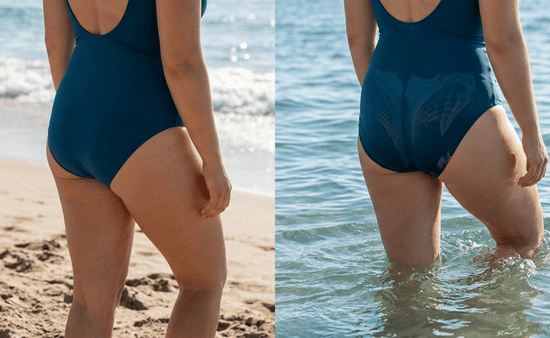
A swim bottom described as providing full coverage on a product page may behave very differently once it’s in the water. Fabric that looks opaque on a hanger can become translucent when wet.
Leg openings that sit correctly standing still may shift with movement. Rise measurements that look generous in a flat photo may not account for how the cut sits on different body proportions.
The gap between how a swimsuit bottom is described and how it actually performs comes down to construction decisions that aren’t always visible before purchase — fabric weight, lining quality, and how the leg opening is finished all affect whether the coverage promised on the label is the coverage delivered in the water.
Fabric Composition and What It Means for Performance
The fabric a swim bottom is made from determines how it behaves in water, how long it holds its shape, and how well it stands up to repeated use.
Nylon-spandex blends are the benchmark for performance swimwear — nylon provides structure and resistance to chlorine degradation, while spandex delivers the stretch and recovery that allows the suit to return to its original shape after being pulled on and off repeatedly.
Polyester blends offer good color retention and resist fading in UV-heavy environments, making them a strong choice for outdoor pools and beach use.
Recycled fabric options — often made from reclaimed ocean plastic or post-consumer materials — have improved significantly in performance and are now competitive with virgin synthetic fabrics in terms of durability and comfort.
Fabric weight matters independently of composition. Heavier fabrics hold their shape more reliably and are less likely to become transparent when wet. Lighter fabrics feel more comfortable in extended wear but may sacrifice some of the structural integrity that keeps coverage consistent during activity.
UPF Ratings and Why They Matter for Swim Bottoms
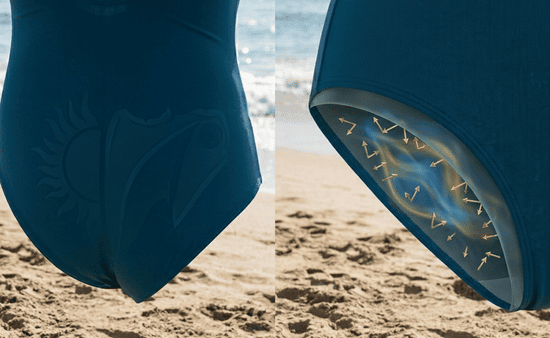
Sun protection built into the fabric is one of the more practical features available in swimwear, and it’s worth understanding what the rating actually means before treating it as a straightforward selling point. A UPF 50+ rating indicates that the fabric blocks at least 98 percent of UV radiation — both UVA and UVB — from passing through to the skin.
That protection applies to the fabric itself, not to any exposed skin at the leg openings or waistband. It also applies only when the fabric is intact and undamaged — chlorine exposure, mechanical wear, and UV degradation all reduce the effectiveness of UPF protection over time.
Swimwear that starts the season rated at UPF 50+ may not maintain that rating after a full season of heavy pool use, which is one reason fabric quality and construction longevity matter alongside the initial rating.
Lining Quality and Its Role in Coverage
The lining of a swim bottom is where coverage is actually delivered — and it’s the detail most often compromised in lower-priced options. A single-layer lining that’s too thin becomes translucent when wet regardless of how opaque the outer fabric looks dry.
A lining that’s cut too small pulls the outer fabric in ways that distort the fit and reduce coverage at the leg openings.
Quality lining is cut to match the outer fabric in both size and stretch direction, uses fabric with enough weight to remain opaque when wet, and is stitched in a way that keeps it from shifting or bunching during activity.
Checking the lining before purchase — by holding the garment up to light and assessing its weight and opacity — is a simple step that prevents the most common coverage disappointment.
Waistband Construction and Fit Security
A swim bottom that fits correctly at the waist stays in place during water activity without requiring constant adjustment. The waistband construction determines how well that security holds up over time and through repeated water exposure.
Wide waistbands distribute tension more evenly and are less likely to roll or fold during activity than narrow ones. Waistbands with internal elastic that’s encased in fabric rather than exposed to water directly degrade more slowly — bare elastic absorbs water, chlorine, and salt in ways that break down its stretch and recovery faster than protected elastic does.
Drawstring waistbands add adjustability that fixed elastic doesn’t provide, though the cord material matters — thin cords cut into the waist under tension while wider, flat drawstrings distribute pressure more comfortably.
Rise, Cut, and How They Affect Coverage
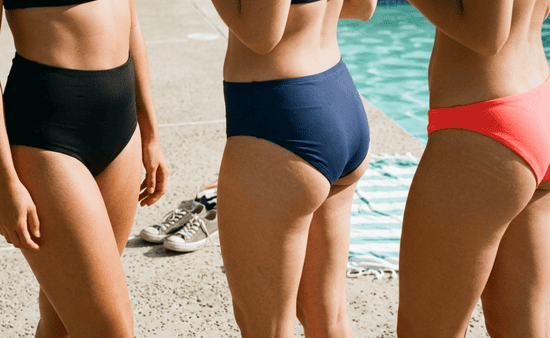
The rise of a swim bottom — the distance from the waistband to the crotch seam — is the primary determinant of how much coverage it provides at the front and back. High-rise cuts sit at or above the natural waist, providing maximum coverage and a silhouette that many wearers find more secure during activity.
Mid-rise cuts sit at the natural waist and offer coverage that works for most body types without the compression feel of a higher rise. Low-rise cuts sit below the natural waist and prioritize a different aesthetic over coverage.
Full coverage swim bottoms are most commonly found in high-rise and mid-rise cuts, but the back coverage varies significantly even within those categories.
Brazilian and moderate coverage backs use progressively less fabric regardless of the front rise, which means a high-rise front doesn’t guarantee equivalent back coverage. Checking the back coverage specifically — rather than assuming the front rise predicts it — is worth doing before purchase.
Chlorine and Saltwater Resistance Over Time
Both chlorine and saltwater degrade swimwear fabric, but they do so through different mechanisms. Chlorine attacks the elastic fibers in spandex and nylon, breaking down the molecular bonds that give the fabric its stretch and shape retention.
Repeated chlorine exposure eventually produces fabric that feels thin, loses its recovery, and no longer holds its shape correctly.
Saltwater is less immediately damaging to fabric fibers but accelerates fading and can leave mineral deposits in the fabric if not rinsed thoroughly after each use. UV exposure compounds both forms of degradation — fabrics weakened by chemical exposure break down faster in sunlight than those that are maintained carefully.
Swimwear marketed specifically for lap swimming or training use is typically engineered with higher chlorine resistance than fashion swimwear. The trade-off is usually a more limited range of colors and prints, but for anyone spending significant time in a chlorinated pool, the performance difference over a full season is significant.
Care Practices That Extend the Life of Swim Bottoms
How swim bottoms are cared for after each use affects how long they perform at the level they were purchased for. Rinsing immediately after use in cool, clean water removes chlorine, salt, and sunscreen residue before those substances have time to penetrate the fabric fibers.
Hand washing with a gentle detergent designed for swimwear removes residue that rinsing alone doesn’t address.
Machine washing — even on a gentle cycle — subjects swimwear fabric to mechanical stress that accelerates fabric breakdown and elastic degradation. Heat drying does the same, with the additional risk of heat-setting any distortion in the fabric that developed during washing.
Laying flat to dry in shade preserves both the fabric structure and any color treatments that UV exposure would otherwise degrade.
Conclusion
Swim bottoms that provide reliable coverage, hold their shape through a full season of use, and fit correctly across different body proportions don’t happen by accident — they’re the result of deliberate fabric, construction, and design decisions that are worth understanding before a purchase is made.
Taking the time to evaluate those decisions is what leads to a swimsuit bottom that performs the way it’s supposed to, every time it’s worn.