Climate change is an escalating issue, and its effects on U.S. coastal states are undeniable. Nearly 40% of the U.S. population lives in coastal counties, making millions of people directly vulnerable to rising sea levels, more frequent and intense storms, and severe coastal erosion.
These areas not only house a large population but also generate around 58% of the national GDP through industries like marine transportation, tourism, and energy. In this blog, I’ll dive into the critical effects of climate change on coastal states and provide actionable insights into how we can adapt.
What Are the Primary Climate Change Effects on Coastal States?
Coastal states are bearing the brunt of climate change, and the consequences are becoming more severe. Let’s explore the primary climate change effects on U.S. coastal states.
1. Sea Level Rise & Flooding
Accelerating Rates:
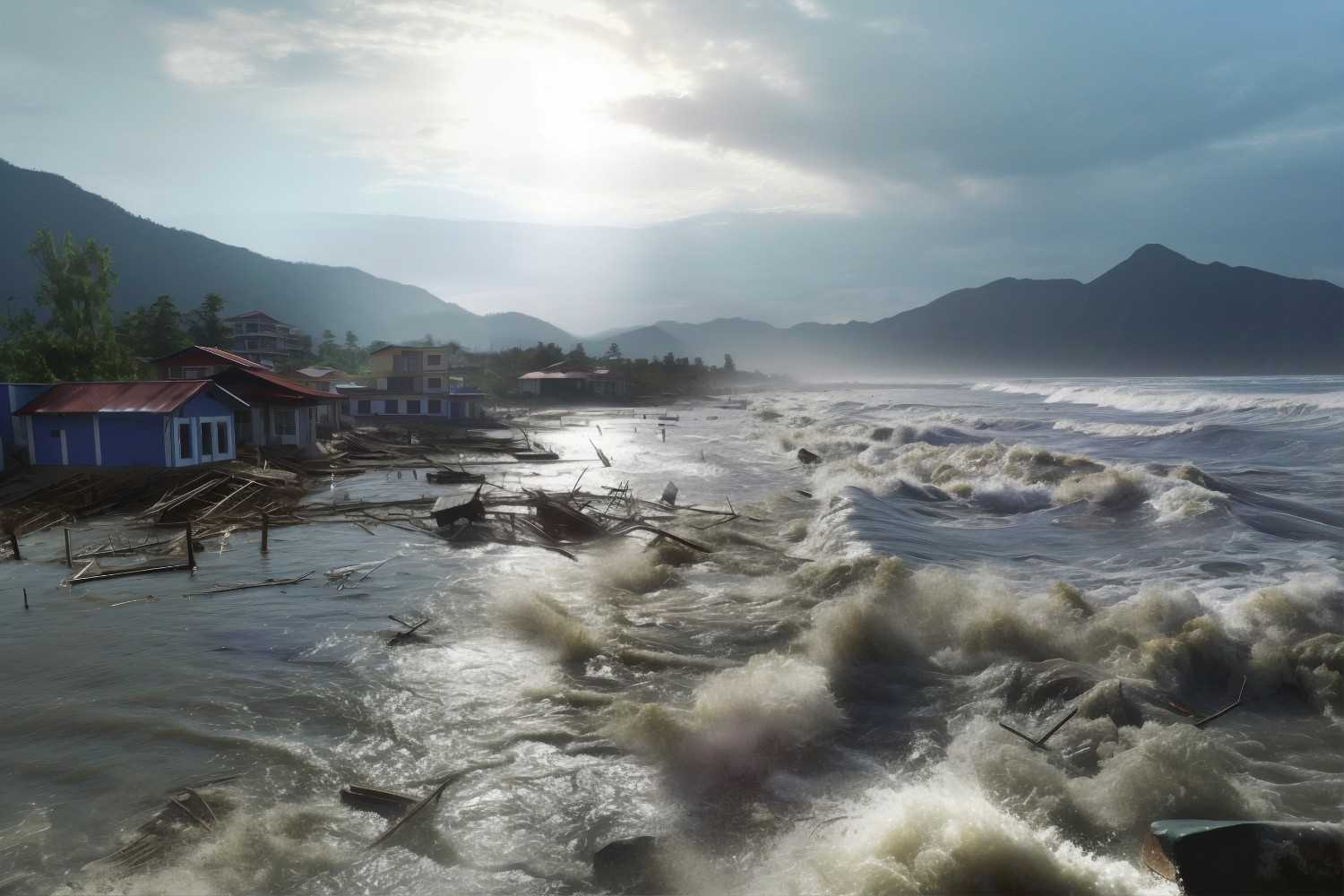
Global sea levels have risen by 8–9 inches since 1880, but the rate has doubled since 2006. By 2050, U.S. coastlines are expected to see an additional rise of 10–12 inches. The Gulf Coast and Mid-Atlantic regions are experiencing the fastest rates of sea-level rise due to land subsidence. For example, Louisiana has seen a rise of 8+ inches in just 50 years.
High-Tide Flooding:
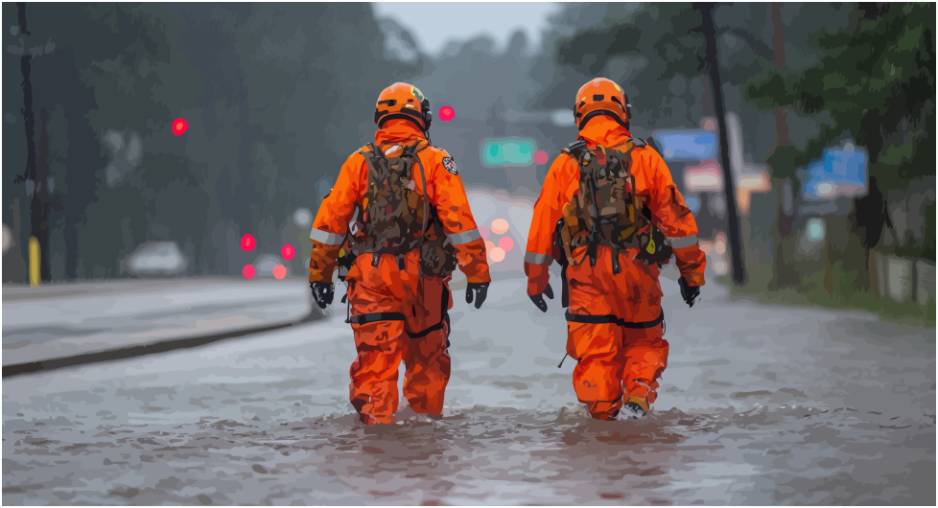
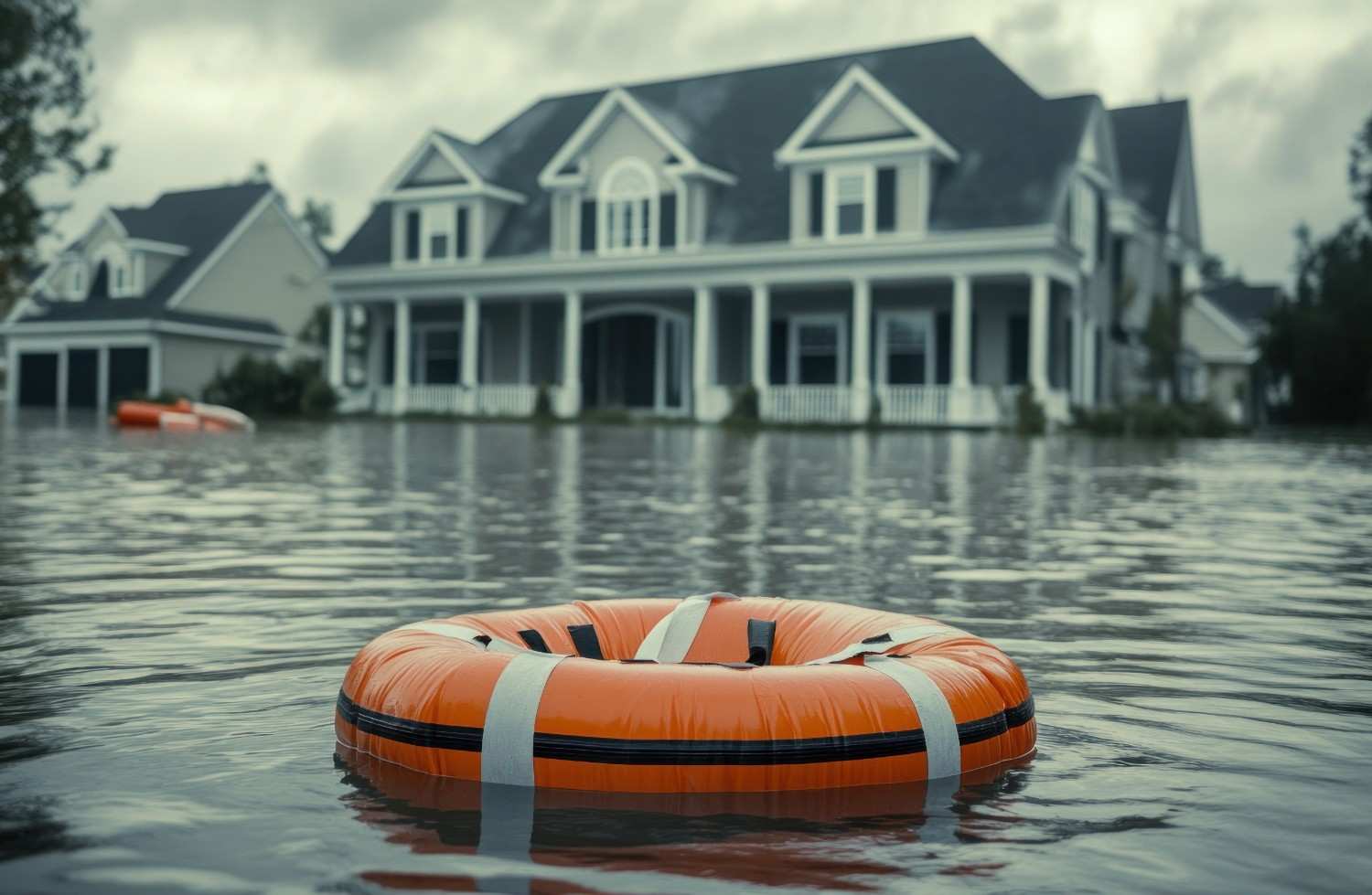
Cities like Miami and Charleston now experience nuisance flooding even on sunny days. This type of flooding has increased by 300% to 900% over the last 50 years, making coastal cities increasingly vulnerable to frequent disruptions without the need for storms.
The rapid rise in sea levels and the increase in high-tide flooding highlight the urgency of preparing for rising waters. This issue directly impacts coastal communities, damaging property and displacing families.
2. Intensifying Storms & Erosion
Stronger Hurricanes:
Warming ocean temperatures are fueling the growth of more intense hurricanes. Category 4 and 5 storms are becoming increasingly common, causing devastating storm surges and deep inland flooding. For instance, Florida and Louisiana face the highest risks, with storm surges penetrating far inland, damaging homes, infrastructure, and businesses.
Shoreline Loss:
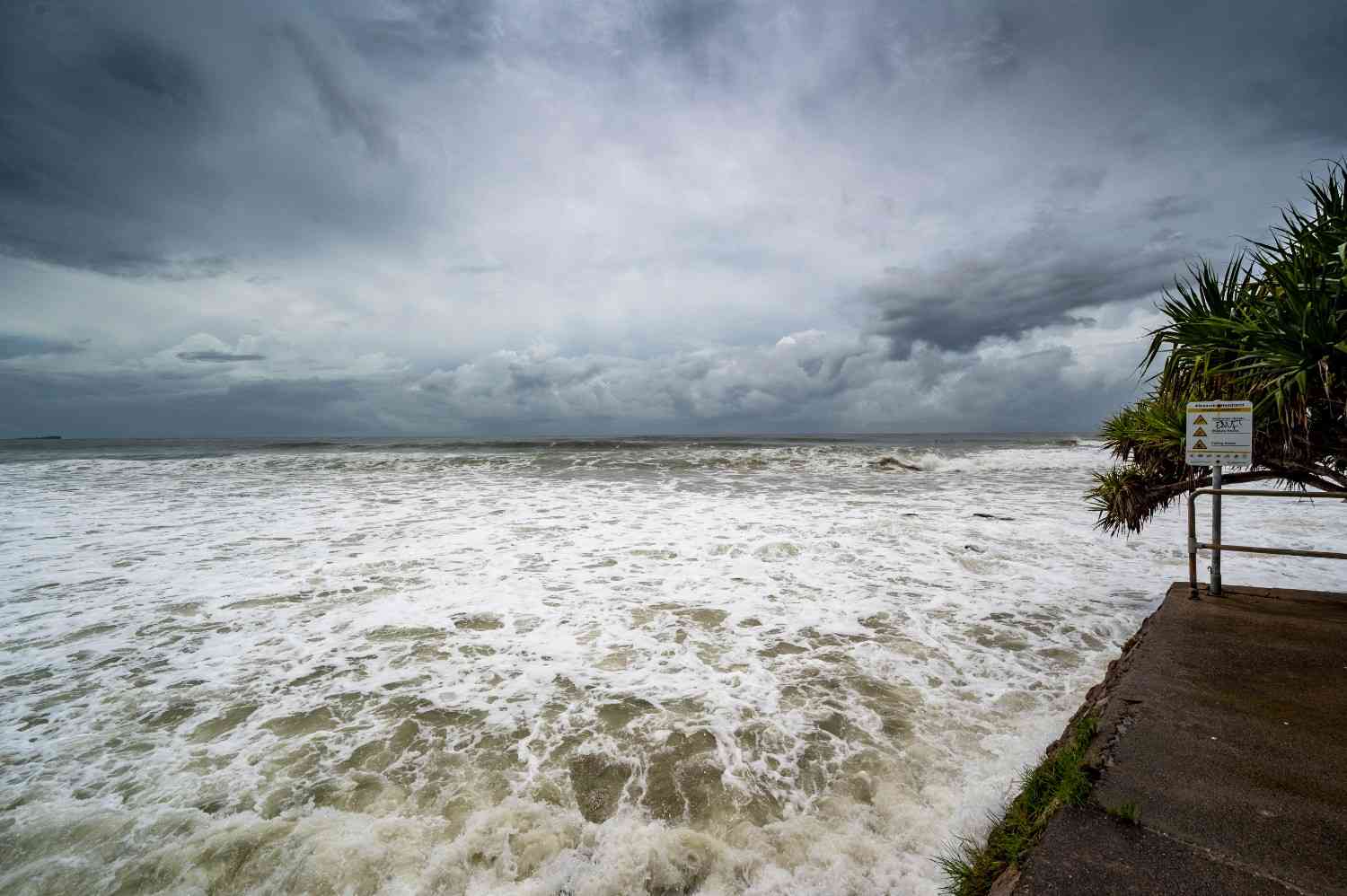
Coastal erosion is another growing concern. Barrier islands have retreated by over 200 feet in two decades in areas like North Carolina, and some beaches are losing an average of 13 feet per year.
The loss of these natural buffers not only threatens homes and habitats but also affects local economies dependent on tourism and fishing.
Infrastructural damage is a direct consequence of these intensifying storms and erosion. Rising seas undermine roads, bridges, sewage systems, and power plants, forcing local governments to allocate more resources to repair and adaptation efforts.
3. Saltwater Intrusion & Ecosystem Changes
Ghost Forests:
As sea levels rise, saltwater infiltrates freshwater aquifers, killing coastal forests and creating what’s known as ghost forests. These areas of standing dead trees highlight the environmental toll of climate change. This destruction of coastal forests, especially along the East Coast, significantly impacts biodiversity and local ecosystems.
Wetland Loss:
The U.S. loses over 80,000 acres of coastal wetlands every year. Wetlands act as vital buffers, protecting coastlines from storm surges and providing critical habitats for marine life. As these wetlands disappear, communities face not only ecological damage but also increased vulnerability to flooding.
Agriculture & Water Supply:
In rural coastal areas, saltwater contamination is making groundwater undrinkable and destroying agricultural land. Farmers in North Carolina, South Carolina, and Florida have reported crop failures and the abandonment of fields due to saltwater intrusion. This significantly affects the region’s agricultural economy and food security.
4. Marine & Human Health Impacts
Ocean Acidification:
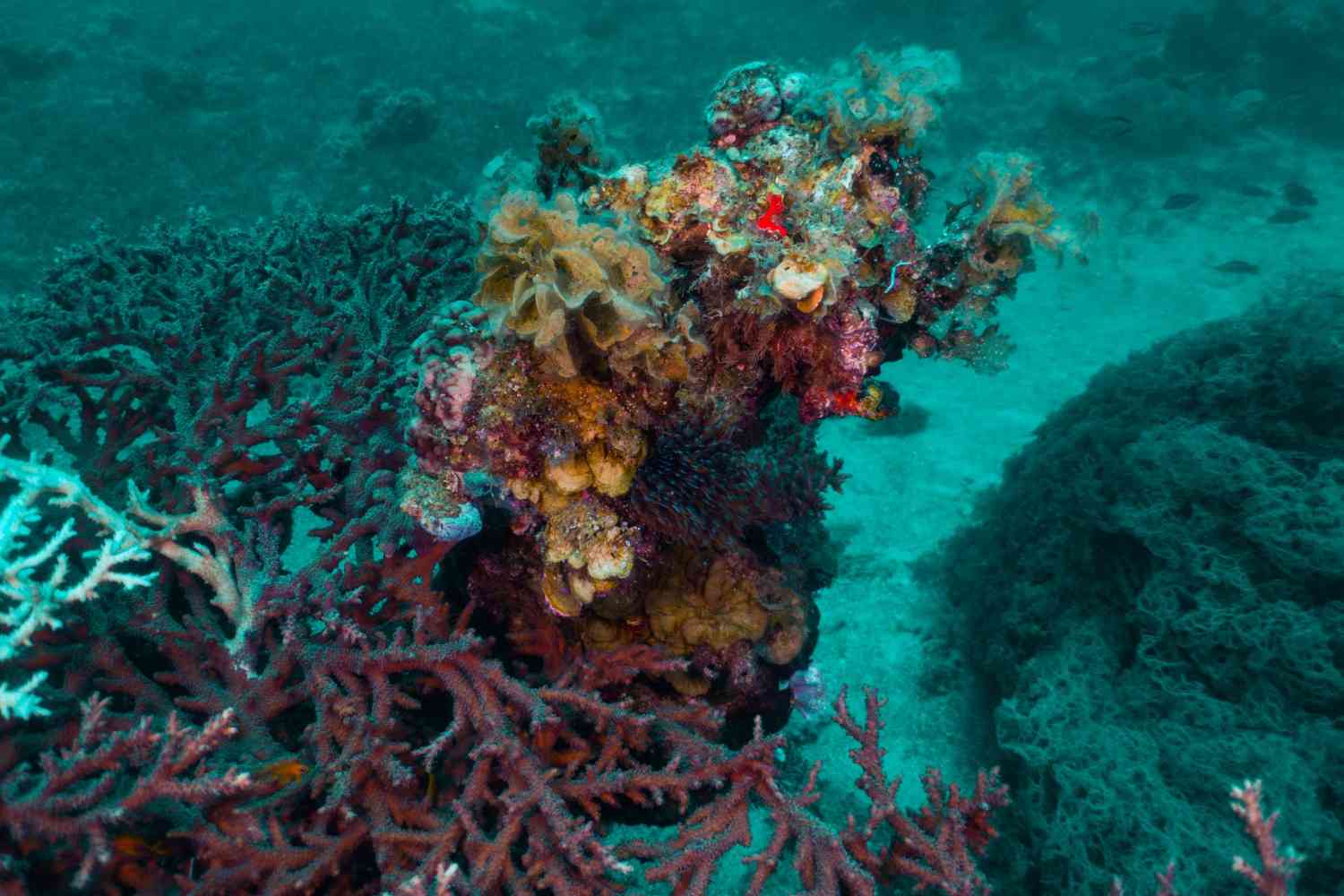
The ocean absorbs about 30% of human-induced CO2, leading to ocean acidification. This harms marine life, especially shellfish and coral reefs like those in the Florida Keys. Acidification weakens the ability of marine organisms to build their shells, impacting fisheries and the communities that depend on them.
Algal Blooms:
Warmer ocean waters and increased runoff from agriculture and urban areas trigger Harmful Algal Blooms (HABs). These blooms release toxins that can affect respiratory health and disrupt local fisheries. In areas like Chesapeake Bay and the Gulf of Mexico, these blooms are becoming more frequent, with detrimental effects on both marine ecosystems and human health.
Economic Disparity:
The effects of climate change disproportionately affect vulnerable populations, including low-income and marginalized communities. These groups often face higher risks due to their location in flood-prone areas, and they have fewer resources to relocate or adapt to these changes.
How U.S. Coastal States Are Adapting to Climate Change
While climate change presents significant challenges, coastal states are taking steps to mitigate its effects and adapt to the changing environment.
Investing in Infrastructure Resilience
States like Florida and California are investing heavily in upgrading coastal infrastructure. This includes building sea walls, enhancing stormwater management systems, and elevating buildings to prevent flooding.
These measures help protect communities and critical infrastructure from rising sea levels and extreme storms.
Restoring Natural Barriers
Efforts to restore wetlands and mangrove forests are being implemented in states like Louisiana and Florida. These ecosystems act as natural barriers against storm surges and coastal erosion, significantly reducing the impact of rising seas. Cultivating continuity through the restoration of native vegetation, such as planting salt-tolerant grasses, helps strengthen these natural buffers, allowing them to protect the coastline for years to come.
Policy and Community Efforts
Many coastal states have implemented climate action plans to reduce carbon emissions and prepare for future climate impacts. For instance, California has set aggressive goals to transition to renewable energy, while Hawaii is focusing on sustainable coastal development and green infrastructure.
How You Can Help: Supporting Coastal Protection Efforts
While governments and local authorities are working to adapt to climate change, individuals can also play a role in supporting coastal protection and resilience efforts:
- Support conservation organizations working to restore coastal ecosystems, such as The Nature Conservancy or Ocean Conservancy.
- Advocate for policies that promote climate resilience and sustainable development, particularly for vulnerable coastal communities.
- Prepare your own community by investing in flood protection, supporting green infrastructure, and educating others on the risks of climate change.
Frequently Asked Questions (FAQs)
1. What Are the Long-Term Effects of Climate Change on Coastal Cities?
Over the long term, coastal cities will experience increased flooding, property damage, and displacement of communities. These impacts will affect both the environment and the economy, particularly in regions dependent on tourism, agriculture, and marine resources.
2. How Can Coastal States Combat Erosion?
Coastal states can combat erosion through the restoration of natural barriers like wetlands, dunes, and mangroves, and by building seawalls and shoreline protection systems.
3. Will Climate Change Make Hurricanes Worse?
Yes, warmer ocean temperatures are causing more intense hurricanes, with stronger winds and greater storm surges. These storms are more likely to cause severe flooding and infrastructure damage along coastal areas.
Conclusion
The climate change effects on U.S. coastal states are severe and growing. From rising sea levels to more intense storms and the loss of vital ecosystems, the consequences are widespread and far-reaching. However, with investment in resilience, ecosystem restoration, and policy action, there is hope.
By preparing now, both at the individual and community levels, we can work together to mitigate the damage and ensure a safer future for our coastal states.