
Modern battlefields face a new threat: small, fast drones that cost very little to produce. These unmanned aircraft can carry explosives, conduct surveillance, or swarm defensive positions with ease. Militaries around the world have scrambled to find effective countermeasures against this growing danger.
Electronic jammers and high-energy lasers offer some solutions, but each has limits in certain combat situations. Kinetic anti-drone ammunition, which destroys drones through direct physical impact, provides a reliable fallback option. This article explains where this kinetic drone defense tool still holds value in contemporary warfare.
The Simple Logic of Shooting Drones Down
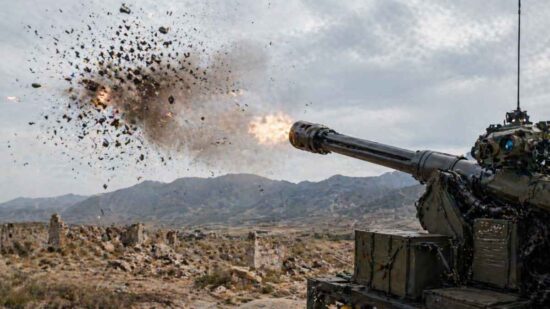
Electronic warfare can jam a drone’s control signal, but many drones now fly on pre-programmed routes. Lasers require a steady power source and clear weather to work properly. Lasers depend on how electricity is made and delivered reliably. Kinetic ammunition avoids these complications by relying on a basic principle: hit the target with enough force to break it apart.
Shotgun shells loaded with specialized pellets, for example, can shred a small quadcopter in one pull of the trigger. Medium-caliber rounds from automatic cannons can bring down larger reconnaissance drones at longer ranges. This method works regardless of radio interference, cloud cover, or the drone’s onboard autonomy.
Where Kinetic Rounds Excel on the Battlefield
Close combat situations favor kinetic ammunition over more complex counter-drone systems. A soldier in a trench does not have time to aim a directional jammer or wait for a laser to heat up. Shotguns with fragmentation shells provide an immediate response against drones flying below two hundred feet.
For vehicle-mounted defense, rapid-fire cannons using programmable airburst rounds create clouds of shrapnel that drones cannot avoid. Checkpoints and convoy protection units often carry such weapons because they require minimal training to operate. Forward operating bases with limited power generation also rely on kinetic options when electronic systems fail.
Matching Ammunition Type to Drone Size
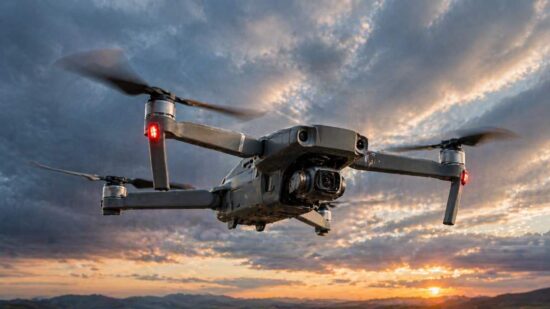
Different drone threats require different kinetic approaches for maximum effectiveness. Small consumer drones, which dominate current battlefields, fall easily to 12-gauge shotgun rounds loaded with number four birdshot. Medium-sized military drones need heavier ammunition, such as 20mm or 30mm fragmentation shells.
Large unmanned combat aerial vehicles, similar to small planes, demand rapid-fire autocannons with armor-piercing incendiary rounds. Manufacturers now produce smart shotgun shells that detonate at a preset distance from the target. These rounds increase hit probability without needing a direct strike on the drone itself. Matching the right ammunition to the threat saves both money and combat effectiveness.
Integration With Other Counter Drone Methods
Smart military units do not rely on kinetic ammunition alone to solve the drone problem. A typical defense might use radar to detect an incoming drone, then deploy a jammer to cut its command link. If the drone switches to autonomous flight, a soldier with a kinetic weapon engages it as a final layer of protection.
Some systems combine a small cannon with an electronic warfare package on the same vehicle turret. This arrangement allows the operator to switch between soft kill and hard kill methods depending on the situation. Training exercises now teach troops when to conserve ammunition and when to fire on sight. The goal is seamless coordination, not competition between different technologies.
Kinetic anti-drone ammunition remains a vital tool despite the rise of lasers and jammers. This kinetic drone defense solution offers simplicity, reliability, and immediate stopping power across a wide range of combat scenarios. As drone threats continue to evolve, kinetic ammunition will keep its place as the final, trustworthy line of defense.