
Buying a utility trailer might seem straightforward, but many people make costly mistakes by overlooking key details. A utility trailer is a long-term investment, so it’s crucial to choose one that matches your hauling needs and your vehicle’s towing capacity. Selecting the wrong trailer can lead to safety hazards, poor performance, and expensive repairs.
Whether you’re hauling landscaping equipment, ATVs, or construction materials, understanding common pitfalls can help you make a smarter purchase. For those seeking a durable, lightweight, and reliable option for various road conditions, like an aluminum utility trailer in Utah, taking the time to evaluate your needs beforehand will save you money and frustration.
Choosing the Wrong Trailer Size
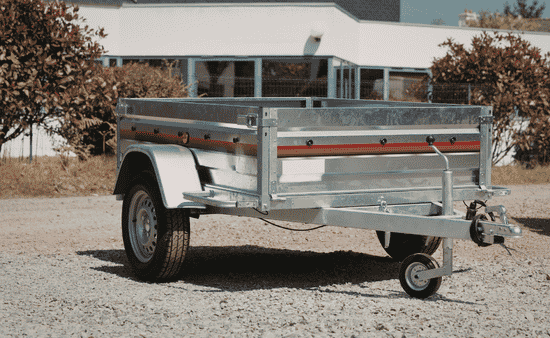
One of the biggest mistakes buyers make is choosing a trailer that’s too small or too large. Some try to save money with a smaller trailer, only to find it can’t safely handle their cargo. Others buy oversized trailers that are hard to tow, park, and store. Your trailer should comfortably fit your cargo with enough room for secure loading and unloading.
Important factors to consider include:
- Cargo dimensions
- Weight capacity
- Future hauling needs
- Vehicle towing limits
- Storage space at home
Planning ahead prevents the need for costly future upgrades. Many buyers haul diverse recreational and work equipment, so flexibility is key when choosing a trailer size.
Ignoring Weight Capacity Limits
Another common mistake is failing to understand trailer weight ratings. Every trailer has a maximum weight capacity that should never be exceeded.
Many buyers focus only on trailer size without considering:
- Gross Vehicle Weight Rating (GVWR)
- Payload capacity
- Axle ratings
- Tongue weight requirements
Overloading a trailer can damage its tires, brakes, suspension, and even the towing vehicle, creating dangerous driving conditions. Lightweight aluminum trailers are a popular choice because they reduce overall weight while remaining durable, making towing easier and safer across different terrains. Understanding weight limits before you buy is key to preventing unnecessary wear and costly repairs.
Forgetting About Trailer Construction Quality
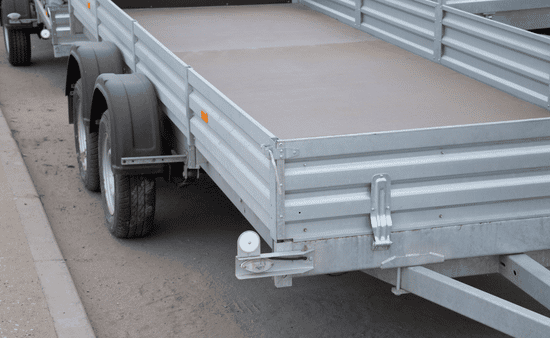
Not all utility trailers are built the same. Some buyers focus only on price and overlook construction quality, which can lead to problems over time. Understanding Common Trailer Problems and How to Prevent Them can help buyers recognize the importance of durable materials, proper maintenance, and reliable craftsmanship before making a purchase.
A well-built trailer should include:
- Durable framing
- Corrosion-resistant materials
- Strong welds
- Reliable flooring
- Quality suspension systems
Aluminum trailers, valued for their rust resistance and lighter weight, are ideal for those who travel in changing weather or store them outdoors. Checking the build quality before buying helps avoid future structural problems, as a stronger trailer will last longer and perform better.
Overlooking Towing Compatibility
Many people forget to check whether their vehicle can safely tow the trailer they want to buy. This mistake can create serious safety risks and damage the towing vehicle.
Before purchasing a trailer, it is important to verify:
- Maximum towing capacity
- Hitch compatibility
- Brake controller requirements
- Electrical connections
- Tire load ratings
Depending on their size and weight, some trailers may need extra towing equipment. It’s also wise to consider how the trailer will handle uphill climbs, highway driving, and rough terrain. Since drivers often face steep grades and changing road conditions, towing compatibility is crucial for safe travel.
Not Paying Attention to Trailer Features
Some buyers focus only on the trailer itself and overlook features that improve convenience and usability. Smart trailer features can make loading, unloading, and hauling much easier.
Helpful features include:
- Fold-down ramps
- Side access gates
- LED lighting
- Tie-down systems
- Spare tire mounts
- Tool storage boxes
These small details can greatly improve the overall hauling experience, and buyers who overlook them may spend more on future upgrades. A trailer designed with practical features often provides better long-term value.
Failing to Think About Maintenance Needs
Every trailer requires maintenance to stay safe and reliable. Some buyers do not think about maintenance costs or upkeep requirements before making a purchase.
Routine maintenance may include:
- Tire inspections
- Brake servicing
- Bearing lubrication
- Light replacements
- Floor maintenance
Aluminum trailers often simplify maintenance because they resist rust and corrosion better than other materials, reducing long-term upkeep concerns. Regular maintenance extends a trailer’s lifespan and lowers the risk of breakdowns.
Buying Based Only on Price
Price is important, but focusing only on the cheapest option can lead to disappointment. Lower-priced trailers may use weaker materials or lack important safety and convenience features.
A better approach is to compare:
- Build quality
- Safety features
- Warranty coverage
- Durability
- Long-term value
A higher upfront investment in a reliable trailer can save money over time by reducing repairs and improving performance. Buyers prioritizing durability and lightweight towing, like those choosing aluminum trailers, often find better long-term value for both work and recreation.
Conclusion
Purchasing a utility trailer requires careful planning. Avoiding common mistakes helps you select a trailer that is safe, reliable, and convenient. Key factors like weight capacity, towing compatibility, construction quality, and features all contribute to overall performance.
A well-chosen trailer will make hauling easier and more efficient for years. For drivers and outdoor enthusiasts, the right trailer balances durability, functionality, and ease of towing. Researching your options carefully will lead to a confident purchase.