Global warming creates a complex double-edged sword effect on agriculture. While increased carbon dioxide (CO2) levels can act as a fertilizer for some plants, rising temperatures and erratic weather patterns typically override these benefits.
This leads to significant yield losses and declines in nutritional quality. In this blog, I’ll break down the global warming impact on agriculture, focusing on how it affects the U.S. and the steps being taken to adapt to these challenges.
Core Impacts on Global Agriculture
As global temperatures rise, the agricultural sector faces both immediate and long-term threats. Let’s explore how the global warming impact on agriculture is affecting crop yields, livestock productivity, and the overall sustainability of farming practices.
Declining Yields of Staple Crops
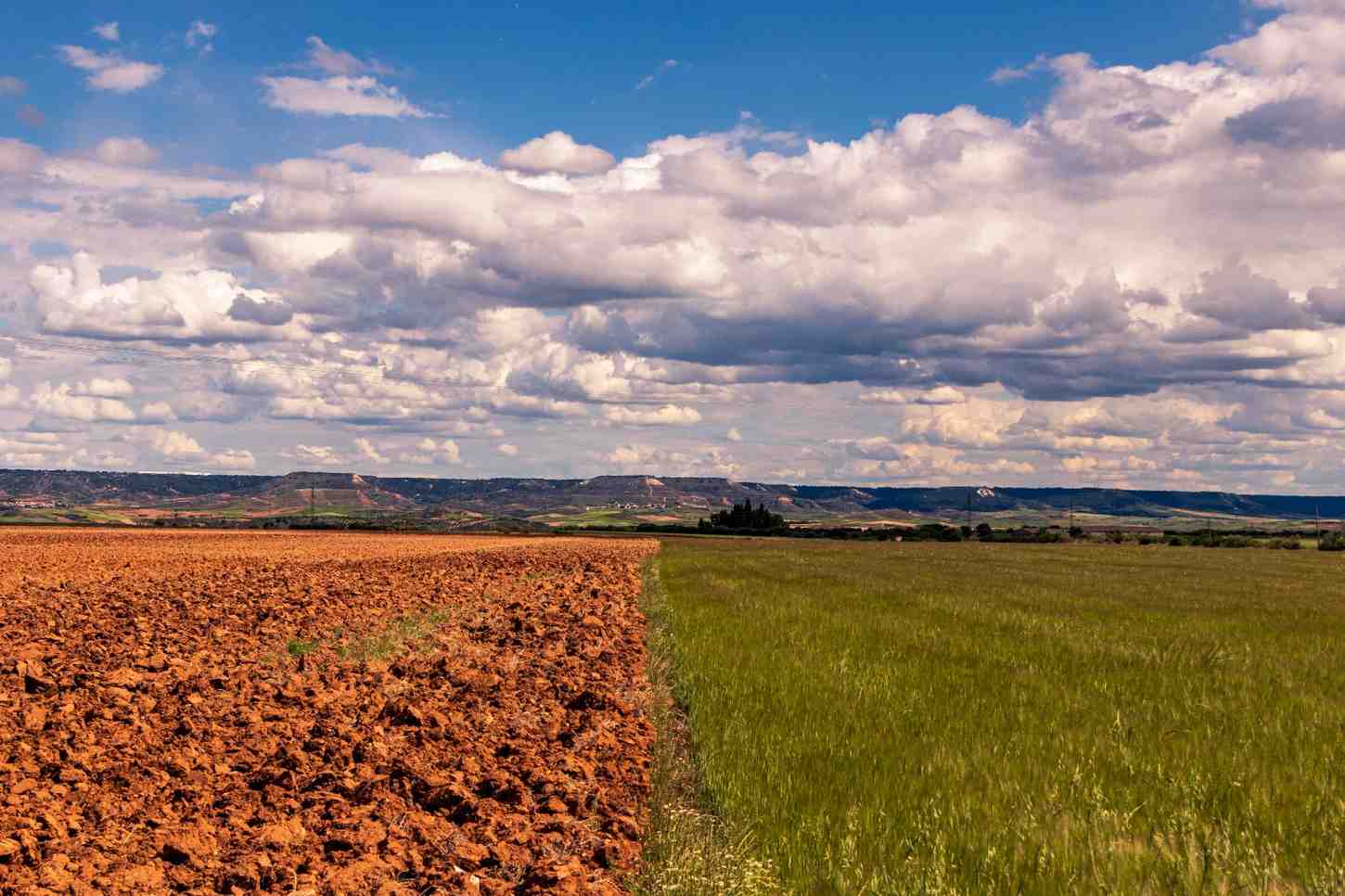
Projections indicate that without proper adaptation, global yields of essential staples like maize, wheat, and rice could decline significantly by 2050. In the U.S., maize is expected to be the most vulnerable crop, with potential global losses of 24% by the end of the century. Wheat and rice are also at risk, with yield reductions of 6% and 3.2% respectively for every 1°C of global warming.
As a result, food security has become a growing concern. Not only does this affect farmers’ livelihoods, but it also puts more pressure on consumers, leading to higher food prices across the board.
Reduced Nutritional Value in Staple Crops
In addition to declining yields, higher atmospheric CO2 levels lead to lower concentrations of essential minerals like protein, iron, and zinc in crops such as rice and wheat. These essential nutrients are key to global nutrition, and their depletion poses a significant threat to public health, particularly in developing countries where these crops are dietary staples.
Livestock Productivity Declines
The impact of global warming is also felt in livestock farming. Heat stress directly affects animal health, reducing fertility, milk production, and immunity. This is especially concerning for U.S. farmers in regions like the Midwest and South, where summers are getting hotter. Additionally, droughts diminish the quality and availability of forage and water for grazing, further compromising livestock productivity.
Water Scarcity and Soil Degradation: A Growing Concern
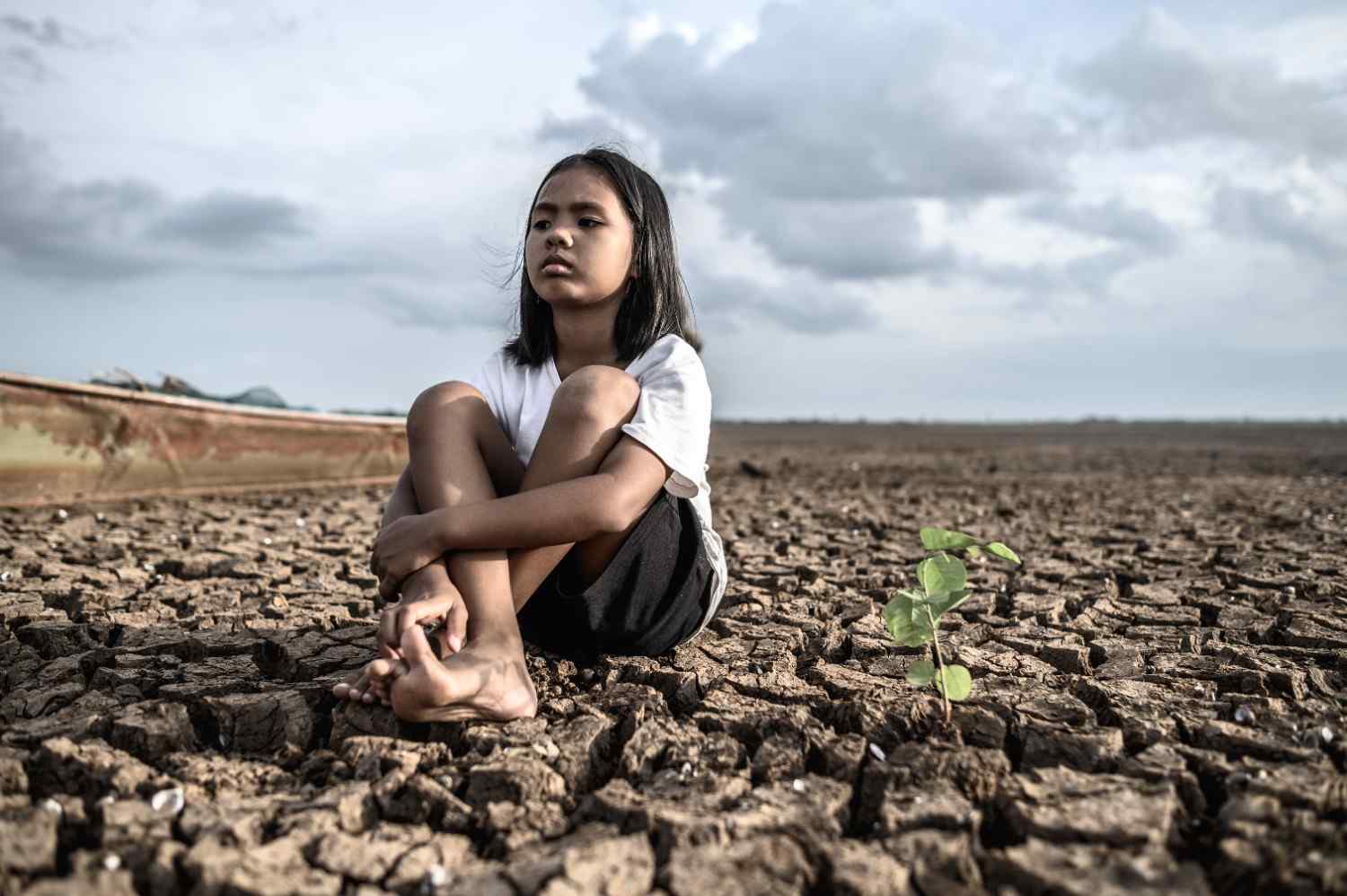
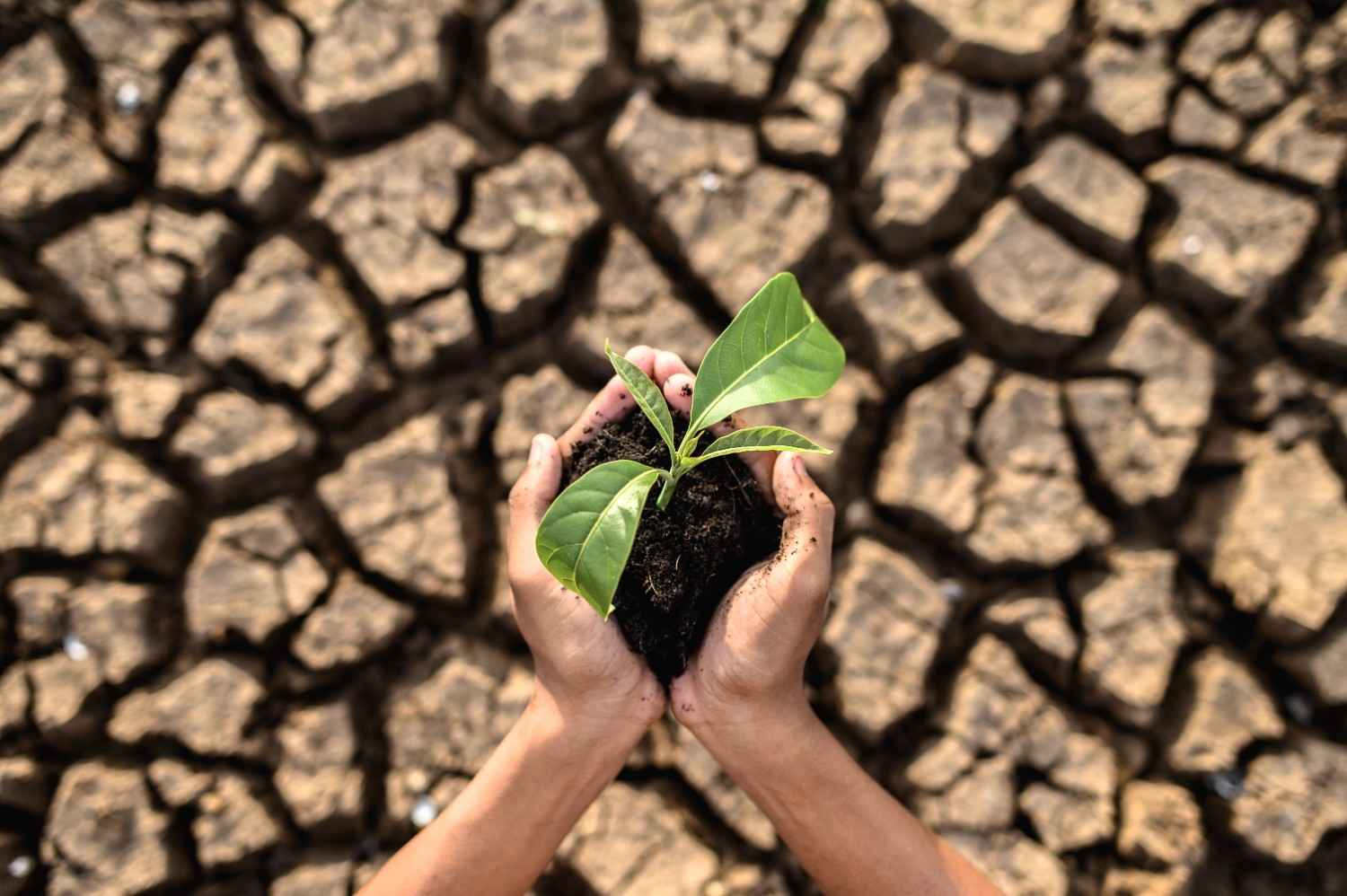
The global warming impact on agriculture also accelerates evaporation, drying out soil and depleting groundwater reserves. As coastal areas face saltwater intrusion due to rising sea levels, fertile land becomes unusable, which threatens agricultural production. In the U.S., this is most visible in places like California and Florida, where water scarcity is an ongoing issue.
The depletion of water resources and soil degradation makes it more difficult for farmers to maintain their crops, leading to reduced productivity and increased costs for irrigation.
Pest and Disease Proliferation
Warmer winters allow pests and pathogens to survive and spread into new regions, which can devastate crops and reduce yields. As global temperatures rise, the metabolic rates of insects also increase, leading to more breeding cycles and greater crop damage. In turn, this contributes to the vicious cycle of yield losses and food insecurity.
The Feedback Loop: Agriculture’s Role in Global Warming
Agriculture isn’t just a victim of global warming; it also contributes significantly to it. Agriculture accounts for approximately 17–28% of global greenhouse gas emissions, primarily in the form of methane (CH4), nitrous oxide (N2O), and carbon dioxide (CO2).
- Methane: Primarily released from livestock (enteric fermentation) and flooded rice paddies.
- Nitrous Oxide: Emitted from fertilized soils and manure management.
- Carbon Dioxide: Released from deforestation for new farmland and the use of fossil fuels in supply chains.
This feedback loop creates a cyclical relationship where agriculture contributes to climate change, which in turn exacerbates the challenges faced by the agricultural sector.
Resilience and Adaptation Strategies
Despite these daunting challenges, farmers in the U.S. are adopting Climate-Smart Agriculture (CSA) practices to build resilience and adapt to a changing climate. These strategies focus on sustainable farming methods that reduce the negative impacts of global warming while increasing productivity.
1. Climate-Resilient Seeds
Farmers are developing crop varieties that are more resilient to heat, drought, and salt. These crops require less water, can withstand extreme temperatures, and are more likely to thrive in the changing climate. Drought-resistant maize, for example, is being introduced in areas most affected by dry conditions.
2. Water Management Practices
Precision water management is a priority for farmers looking to conserve water resources. Techniques like drip irrigation and laser land leveling allow for more efficient water usage. These methods ensure that crops get just the right amount of water without wasting valuable resources, which is crucial in regions facing water shortages.
3. Soil Conservation
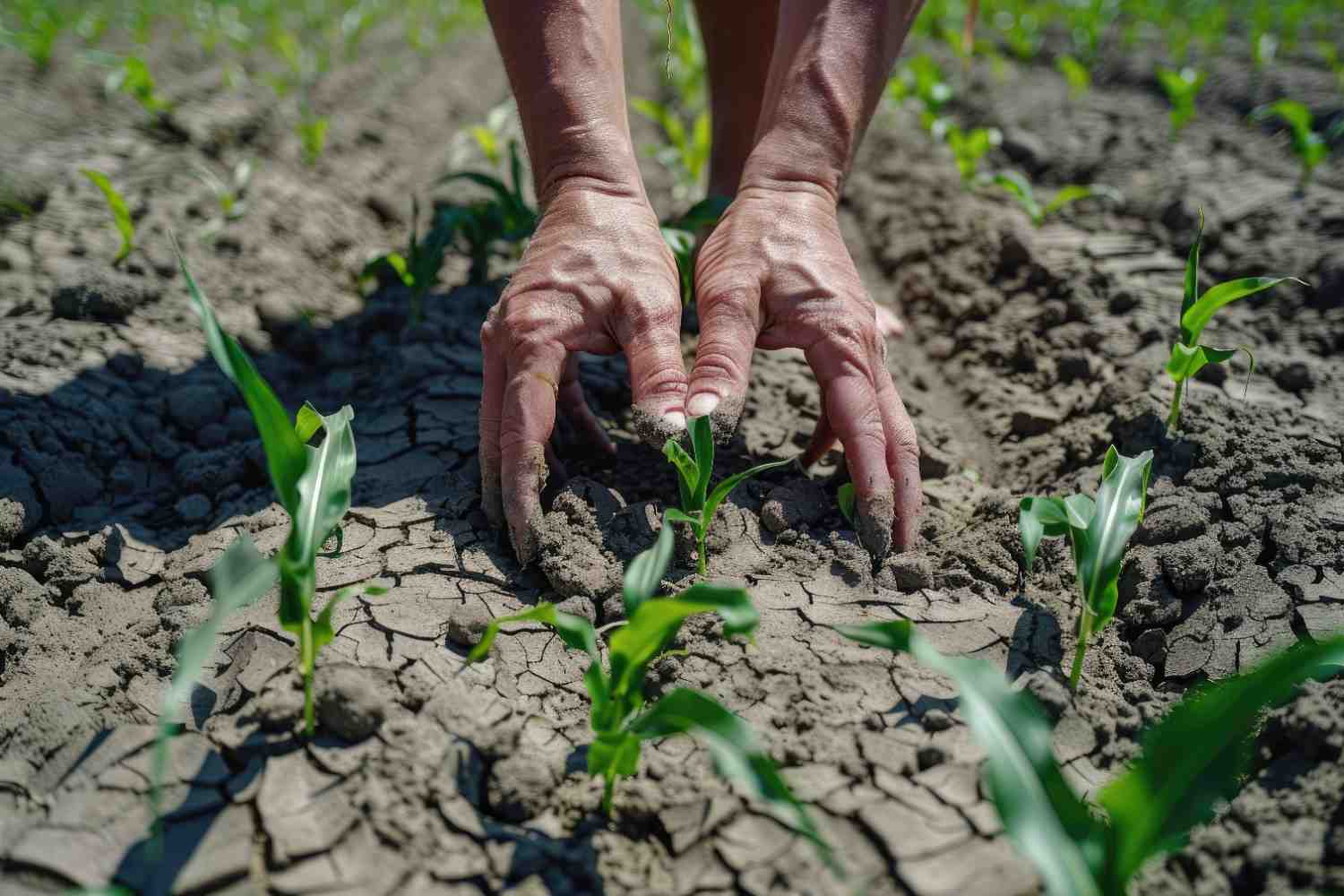
Soil health is essential for long-term agricultural productivity, and many farmers are adopting no-till farming, cover cropping, and the use of organic fertilizers to sequester carbon and improve soil moisture retention. These practices help improve soil quality while also reducing greenhouse gas emissions from traditional farming techniques.
4. Crop Diversification
Switching to hardier grains like millets, which require less water and offer higher nutritional value, is becoming more common in parts of the U.S. Millets are better suited to dry conditions and have a shorter growing season, making them an ideal alternative to traditional crops like maize.
Frequently Asked Questions (FAQs)
1. How does global warming affect food prices?
Global warming leads to reduced crop yields and disrupted agricultural production, which can result in higher food prices as supply struggles to meet demand. This impacts everything from grain prices to fresh produce costs at the grocery store.
2. Can global warming be reversed in agriculture?
While global warming cannot be completely reversed, adaptation strategies like climate-resilient crops and sustainable farming practices can significantly reduce its impact. Farmers are actively adopting solutions that promote resilience and sustainability.
3. How can I help reduce the impact of global warming on agriculture?
Consumers can support sustainable farming practices, reduce food waste, and buy products from farms that prioritize environmental stewardship. Advocacy for climate-smart agriculture policies is also essential for ensuring long-term food security.
Securing the Future of Agriculture
The global warming impact on agriculture is vast, affecting everything from crop yields to livestock health and soil quality. However, with innovative farming techniques and climate-smart agriculture, farmers are finding ways to adapt and secure food production for the future.
As we face climate changes, it’s essential that we continue to support these efforts through policy, research, and sustainable consumer choices.
While agriculture faces unprecedented challenges due to global warming, the resilience of the farming community and its commitment to adaptation strategies offers hope for a more food-secure future.