
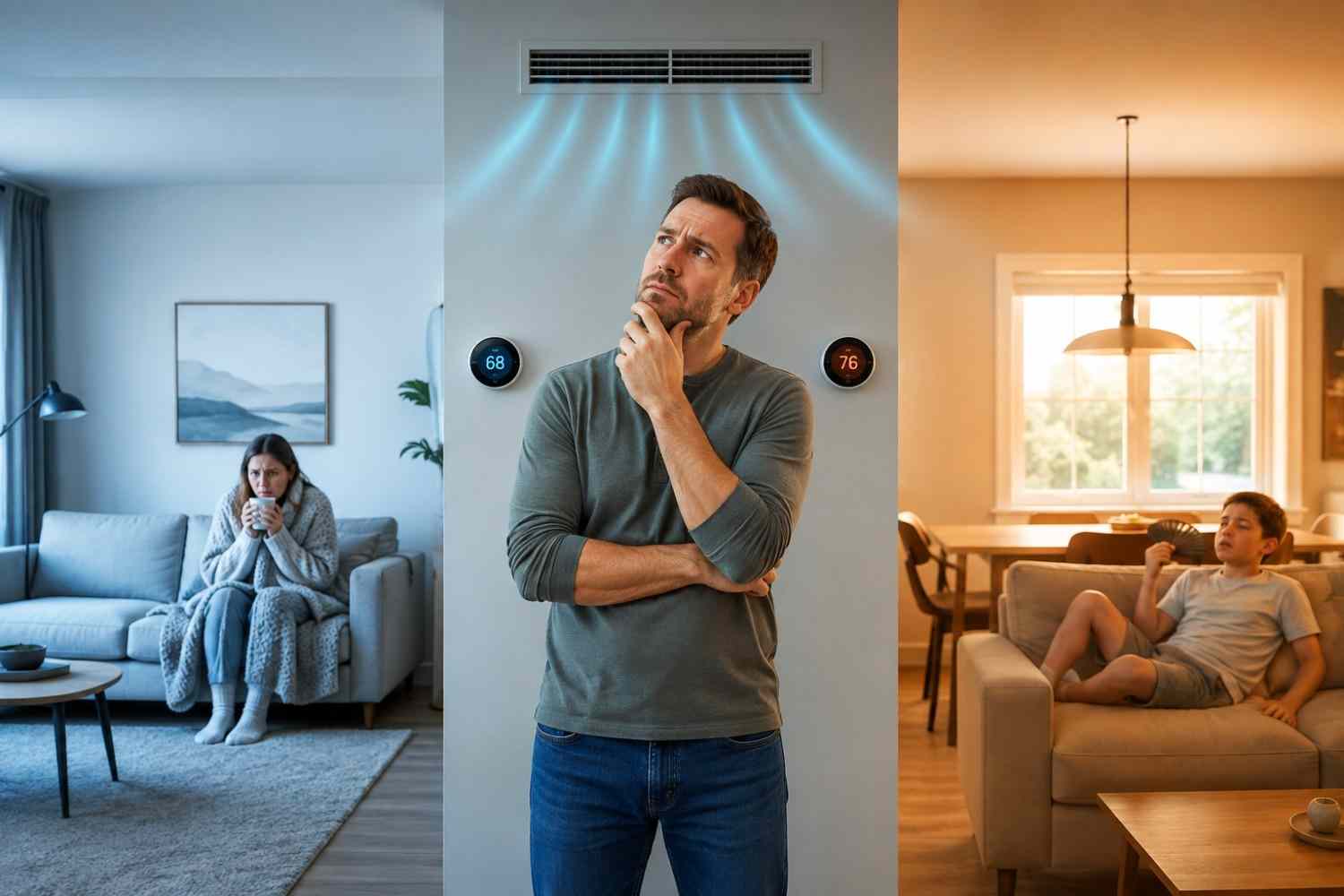
An air conditioner usually does not fail without leaving clues first. The real problem is that many of those clues look minor until the system is under peak summer demand and no longer has enough margin to keep up. That is when a small issue becomes an expensive interruption.
For homeowners comparing options for HVAC repair in Murray, the smarter move is not to wait for a total shutdown. It is to recognize the warning signs early, understand what they suggest about the system, and respond before wear turns into a larger mechanical or electrical failure. Efficient Systems Heating and Cooling works in that space between “still running” and “already broken,” where timely decisions often save both money and discomfort.
The Most Common Warning Signs Are Usually Subtle, Not Dramatic
A failing AC rarely announces itself with one dramatic event. More often, it starts with performance drift. The home still cools, but not as evenly. The unit still starts, but not as reliably. The system still runs, but for longer than it used to. Those changes matter because they often point to mechanical and electronic wear, refrigerant issues, duct leakage, or sizing problems that deserve attention before peak season arrives.
One of the most useful ways to think about AC trouble is this: if your system is working harder for the same result, something in the chain is becoming less efficient. That could be a worn component, a refrigerant imbalance, airflow loss, or control issue. A homeowner does not need to diagnose the exact cause to know the system is asking for help.
When Performance Changes Before Comfort Does
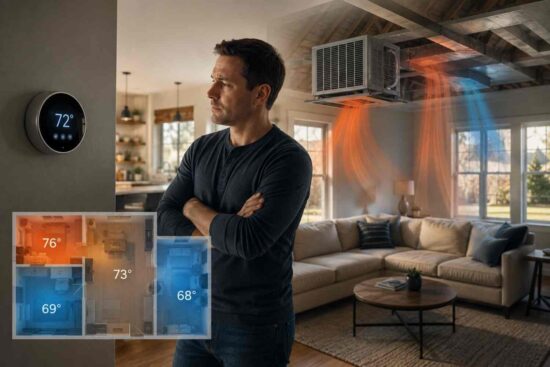
The earliest warning sign is often a difference in how the home feels. Rooms may take longer to cool, temperature control may become inconsistent, or the system may cycle in a way that feels less stable than before. These changes do not automatically mean a major failure, but they do mean the equipment is no longer performing at the level it should.
That is the point where an AC tune-up becomes less of a routine task and more of a preventive measure. Efficient Systems Heating and Cooling approaches this kind of issue by looking for wear patterns and component stress before they escalate. The goal is not simply to restore cooling today, but to reduce the chance of an emergency repair during the hottest stretch of the year.
When Noise or Operation Starts Feeling Different
Another early warning sign is a change in how the system sounds or starts and stops. A unit that seems to run more frequently, shut off too quickly, or operate with new irregularity may be signaling electrical or mechanical strain. The equipment may still function, but the pattern has changed enough to suggest that something inside the system deserves a closer inspection.
The important distinction is between a minor variation and a repeated pattern. A one-time odd cycle may not mean much. A repeated change in operation usually does. Experienced technicians often look at that pattern as part of a broader diagnostic picture, not as an isolated annoyance.
Why Small AC Problems Become Expensive Fast
AC systems tend to fail under stress, not in a vacuum. A refrigerant issue, airflow restriction, or electrical fault can continue for weeks or months before the final breakdown happens. During that period, the equipment may use more energy, deliver less comfort, and place added strain on other parts of the system.
That is why preventive service is so strategically valuable. Small problems usually do not stay small. If refrigerant levels are off, the system may not cool efficiently. If duct leakage is present, conditioned air is lost before it reaches the rooms that need it. If a component is wearing out, the extra load can create a chain reaction that affects other parts of the unit. Efficient Systems Heating and Cooling focuses on catching those patterns while there is still time to act.
A breakdown also tends to happen at the worst possible moment. The hottest day of the summer is when the system has the least tolerance for hidden issues. A home that was “fine yesterday” can become unlivable very quickly when the equipment can no longer sustain the load.
What Strong HVAC Operators Look For During Inspection
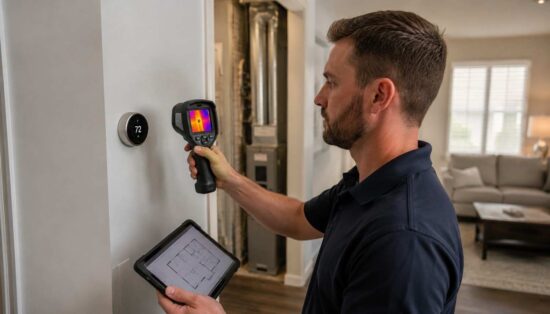
A careful inspection does more than confirm whether the AC is on or off. It looks for the conditions that make failure more likely. That includes wear on components, improper refrigerant levels, signs of duct leakage, and evidence that the system may not be sized correctly for the space it serves.
Efficient Systems Heating and Cooling brings that broader view to both maintenance and repair. The point is not just to replace one failing part. It is to understand why the system is losing performance and whether there are underlying issues that will keep repeating if they are ignored.
Mechanical and Electronic Wear
Mechanical wear shows up when moving parts no longer operate with the same consistency they once had. Electronic wear may show up as control issues, unreliable starts, or other operational irregularities. These are not problems homeowners should try to guess at from the thermostat. They need a professional evaluation because the symptoms often overlap.
This is where a licensed and certified technician matters. Accurate diagnosis prevents guesswork, and guesswork is expensive. A service visit that identifies the real issue early is usually far more efficient than waiting until a failure forces an emergency call.
Refrigerant and Airflow Issues
Incorrect refrigerant levels can affect cooling capacity and system stress. Duct leakage can make the whole home feel uneven even when the equipment is technically running. In some cases, the AC is not “failing” in the dramatic sense at all. It is simply losing the conditions it needs to operate effectively.
That distinction matters because the right fix depends on the root cause. Adding refrigerant without understanding why it is low is not a long-term solution. Repairing equipment without addressing airflow loss can leave comfort problems in place. Good service means solving the system, not just silencing the symptom.
How to Respond Before the System Stops Working
The best response to warning signs is simple: do not wait for the failure to prove the problem exists. If the system is behaving differently, schedule an inspection before the next heat wave turns that irregularity into a breakdown. Early action preserves options, and options are what keep repair decisions manageable.
Homeowners should also think in terms of risk reduction. If the AC is aging, if performance has declined, or if repairs are starting to recur, it may be time to compare maintenance, repair, and replacement in a more deliberate way. In some cases, a targeted repair is enough. In others, a more comprehensive solution makes more sense, especially if the equipment is already showing repeated wear.
A practical way to evaluate the situation is to ask whether the system is still reliable or simply still operating. Those are not the same thing. A unit can technically run while moving toward failure. If you are already planning a home upgrade, this is also a good time to consider whether your current HVAC system still fits your home’s needs, efficiency goals, and long-term plans.
Why Prevention Usually Beats Emergency Repair
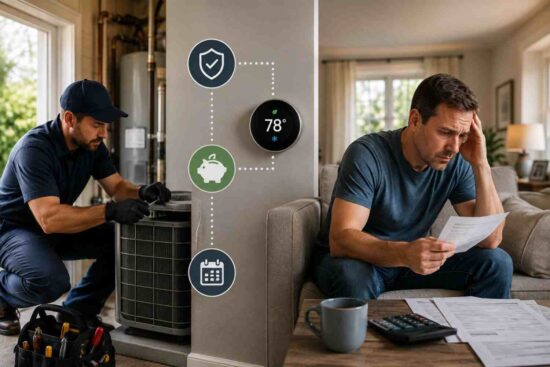
Emergency repair is often more stressful because the decision has already been forced. There is less time to compare options, less comfort in the home, and usually more damage control involved. Preventive maintenance shifts the timeline back in your favor.
Efficient Systems Heating and Cooling offers 24/7 emergency service, which matters when a breakdown does happen. But the better outcome is to reduce the odds of getting there in the first place. Routine service helps identify mechanical and electronic wear, refrigerant issues, and duct leakage before they become full-system failures. That is not just a comfort decision. It is a cost decision.
It also helps protect the efficiency of the system over time. An AC that is repaired and maintained properly is less likely to waste energy compensating for hidden faults. Over a long summer, that difference can become meaningful.
The Real Value Is Timing, Not Just Repair
The most important lesson is that AC failures are usually preceded by signals, not surprises. A little less cooling, a longer run time, a change in system behavior, or recurring inefficiency are all reasons to pay attention. Those signs do not require panic, but they do require judgment.
That is where a company like Efficient Systems Heating and Cooling adds real value. The right inspection, tune-up, or repair at the right time can keep a minor issue from becoming a complete breakdown. In a climate where cooling demand can become urgent quickly, timing is often the difference between a manageable service call and a household emergency.
When the warning signs start to show up, the smart response is not to wait and hope. It is to act while the system still has room to be repaired well.