Your mouth is one of the first things people notice, and what happens inside it affects far more than your smile. Your oral hygiene can have a major impact on your overall health, and gum disease has been linked to a variety of health issues such as heart disease, stroke, diabetes, and preterm labor. That’s a serious list, and it makes your daily dental routine a whole lot more meaningful than just fresh breath in the morning.
The good news is that protecting your teeth and gums doesn’t require complicated routines or expensive equipment. Most of what works is simple, consistent, and takes just a few minutes a day. Below are eight habits you can start building right now, backed by what dental professionals and researchers actually recommend.
1. Brush Twice a Day, Every Single Day
This one sounds obvious, but the details matter. Brush your teeth at least twice a day for two minutes each time, using a brush with soft bristles and fluoride toothpaste. A lot of people rush through this step, spending maybe 45 seconds and calling it done. That’s not enough time to clear plaque from all surfaces.
The way you brush is important. Take your time, moving the toothbrush in gentle, circular motions to remove plaque. Unremoved plaque can harden into tartar, which only a professional cleaning can remove. So slow down, and make sure you’re covering the backs of teeth too, not just the fronts you can see in the mirror.
When you brush, place your toothbrush at a 45-degree angle toward your gums. This helps sweep away plaque and bacteria at the gum line.
2. Floss Once a Day, No Excuses
A lot of people skip this step because it feels tedious. But skipping it means leaving roughly 35 percent of each tooth’s surface completely untouched. You can’t reach the spaces between your teeth with brushing alone, and to clean these areas, you need dental floss. Floss picks and water flossers are solid alternatives if traditional string floss feels awkward to handle.
3. Add Mouthwash to Your Routine
Mouthwash isn’t just for freshening breath. Mouthwash effectively eliminates bacteria that cause bad breath, reduces plaque accumulation, and supports gum health. Think of it as a finishing layer on top of brushing and flossing, not a replacement for either one.
When selecting a mouthwash, choose one that contains fluoride and bears the American Dental Association (ADA) seal of approval. Swish for a full 30 seconds after brushing to get the full antibacterial effect. If your gums feel sensitive, alcohol-free formulas are gentler and just as effective for everyday use.
4. Drink More Water Throughout the Day
Water is your mouth’s best friend, and most people don’t drink nearly enough of it. Drinking water is not only essential for overall health but also for oral health. Water helps flush out bacteria and food particles from your mouth and promotes saliva production, which is crucial for neutralizing acids and protecting your teeth.
If your city fluoridates its tap water, you get an extra benefit. Fluoride is a naturally occurring substance that helps defend your teeth against decay. It acts as a barrier to protect your enamel from bacteria and acids caused by plaque. Drinking a few glasses of tap water throughout the day rather than strictly bottled water is a smart habit, as is watching for early signs of gum disease.
5. Watch How Often You Snack
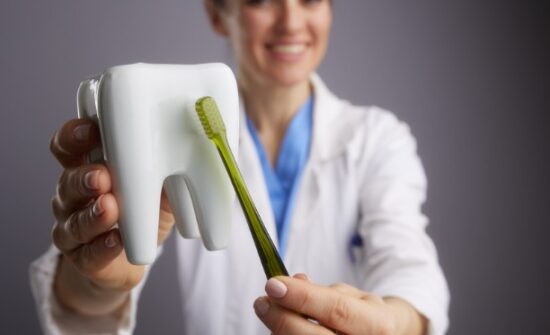
It’s not just what you eat that affects your teeth. It’s how often you eat. Snacking may seem easier and less time-consuming than sitting down for a full meal, but it can negatively impact your oral health. Throughout the day, your mouth produces plaque, a clear sticky film that forms on your teeth. Bacteria in this substance produce acids after you consume food, and the more frequently you eat or drink, the more acid will be sitting in your mouth trying to eat at your enamel.
Every time you eat or sip a sugary drink, your mouth enters an acid attack that lasts about 20 to 30 minutes. If you’re grazing all day, your enamel never gets a break. Try to stick to three full and well-balanced meals daily as the recommended habit for your oral health. When you do snack, choose tooth-friendly options. A nutritious diet rich in vegetables, fruits, lean proteins, and calcium supports strong teeth and gums. Crunchy produce like apples and carrots can even help clean your teeth naturally.
6. Be Careful with Acidic Foods and Drinks
Coffee, citrus juices, sodas, and sports drinks are part of most people’s daily lives. But the acidity in these drinks can do real damage to your enamel over time. You’re going to want to hold off on brushing for a while after consuming acidic foods and drinks. Foods and drinks with a low pH temporarily soften the enamel of the teeth. Brushing while your enamel is softened can actually scrub away tooth structure instead of just cleaning it.
Wait at least 30 minutes after consuming acidic beverages before reaching for your toothbrush. Rinsing with plain water right after the drink helps, and drinking water and avoiding sugary or acidic foods may also help protect your enamel long-term. Small adjustments like drinking through a straw can reduce how much acid contacts your teeth directly.
7. Protect Your Teeth at Night
Many people grind or clench their teeth while sleeping without ever realizing it. If you clench or grind your teeth at night, you may be damaging your enamel. Talk to your dentist about getting a custom night guard to protect your smile while you sleep.
Signs of nighttime grinding, called bruxism, include waking up with jaw soreness, headaches near the temples, or teeth that look worn or chipped over time. A custom-fitted guard from your dentist fits far better than over-the-counter options and distributes pressure evenly to prevent damage. In advanced stages, gum disease causes sore, bleeding gums; painful chewing problems; loose teeth; and even tooth loss, and unmanaged grinding can accelerate that kind of wear and tear faster than most people expect.
8. Keep Your Regular Dental Appointments
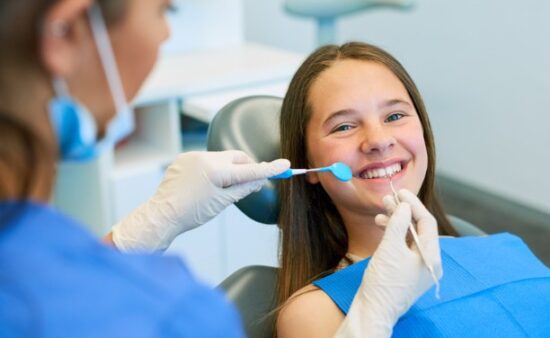
No home habit replaces the value of a professional checkup and cleaning. Proper oral hygiene starts with brushing, flossing, and routine dental visits, which help keep your teeth and gums in top condition. Regular dental visits also help your dentist detect and treat problems early, before they worsen.
Your doctor may recommend more frequent checkups depending on your dental hygiene or risks for conditions affecting your oral health. A dentist can remove calculus and look for cavities, and they will also be able to spot potential issues and offer treatment solutions. Catching a small cavity early costs far less time, money, and discomfort than treating a root canal or extraction later.
If you’re in Manitoba and overdue for a checkup, finding a trusted provider close to home makes a big difference in whether you actually follow through. Visiting a reputable dental clinic winnipeg means you have access to everything from preventive cleanings and exams to emergency care and cosmetic services, all under one roof. Consistency matters, and having a go-to dental home you trust removes the biggest barrier most people face: putting it off.
You can learn more about evidence-based oral health recommendations from the CDC’s oral health tips for adults, the Mayo Clinic’s overview on oral health and overall wellness, and the National Institute of Dental and Craniofacial Research.
Putting It All Together
Eight habits sounds like a lot, but most of them take under five minutes combined. The real challenge is consistency. Brush twice, floss once, rinse with mouthwash, drink plenty of water, eat mindfully, avoid brushing right after acidic drinks, protect your teeth at night, and see your dentist twice a year. That’s your complete playbook.
Your mouth connects directly to the rest of your body, and the research keeps reinforcing that connection. Strong oral habits built now pay off for decades. Start with one change this week if the full list feels overwhelming. A single new habit practiced consistently is worth more than a perfect routine you quit after three days.