Owning or managing a commercial property requires constant attention to detail. A well-maintained building protects your financial investment while providing a safe, welcoming environment for employees and customers. Neglecting basic upkeep often leads to expensive repairs and potential safety hazards down the road.
Regular inspections and proactive repairs keep your operations running smoothly. Small issues, like a minor roof leak or a cracked walkway, can quickly escalate into major disruptions if left unaddressed. By implementing a consistent upkeep strategy, property managers can extend the lifespan of their building’s critical systems and aesthetic features.
The following nine maintenance tips will help you prioritize your property management efforts. These strategies cover everything from structural integrity to exterior curb appeal, ensuring your commercial space remains in excellent condition year-round.
1. Inspect the HVAC System Regularly
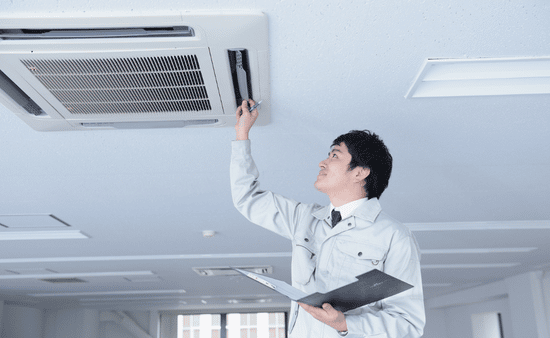
Heating, ventilation, and air conditioning (HVAC) systems are the lungs of any commercial building. Poorly maintained units consume excess energy and fail to regulate indoor temperatures effectively. Change the air filters every few months to ensure proper airflow and reduce strain on the system. Schedule professional inspections twice a year, ideally before the peak summer and winter seasons, to clean the coils and check for mechanical wear.
2. Monitor Plumbing Infrastructure
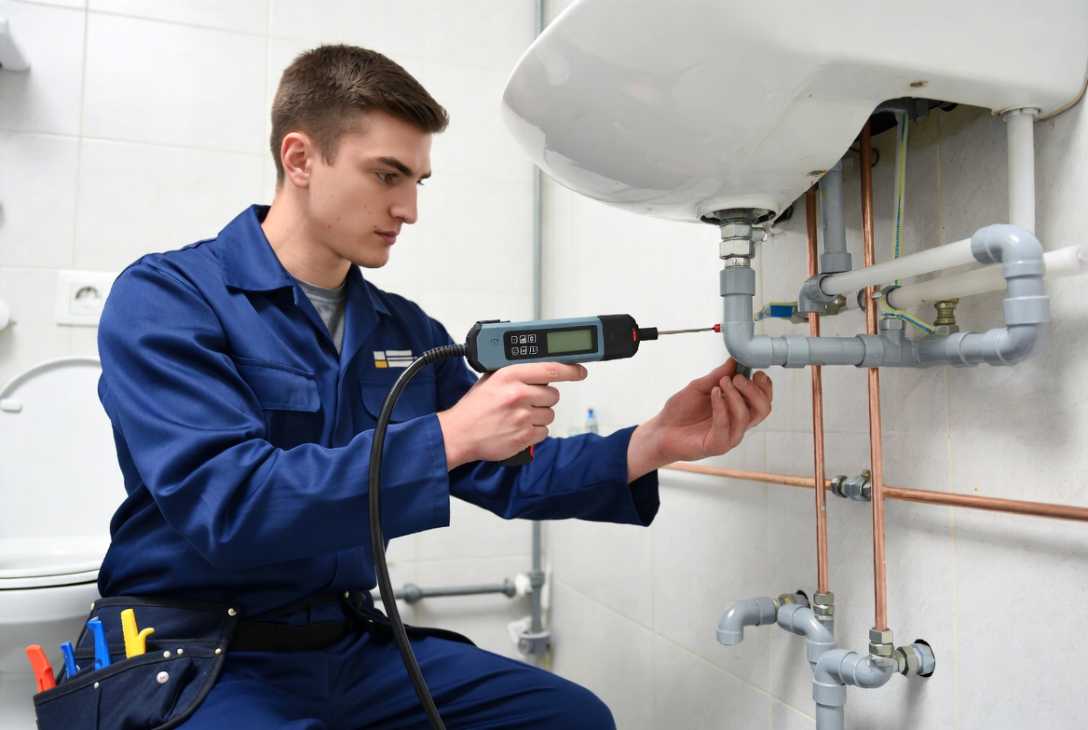
Plumbing emergencies cause severe water damage and disrupt daily business operations. Routinely check exposed pipes, sinks, and restroom facilities for slow leaks or unusual water pressure drops. Installing water leak detectors near major appliances and utility sinks can provide early warnings before a pipe bursts. Routine drain cleaning also prevents severe blockages in high-traffic commercial restrooms.
3. Keep Concrete Surfaces Safe and Smooth
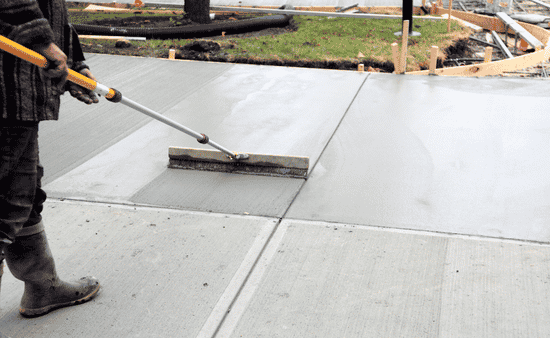
Damaged concrete walkways, patios, and driveways create significant trip hazards and detract from your building’s curb appeal. Instead of paying for costly demolition and full replacement, you can repair cracks and apply a decorative overlay to improve the strength and appearance of your floors. For instance, opting for concrete resurfacing in Sandy UT allows you to cover up imperfections and give your exterior and interior concrete a durable, attractive makeover at a fraction of the cost.
4. Prioritize Roof Inspections
A commercial roof endures harsh weather conditions year after year. Blocked gutters and minor surface damage easily lead to structural rot and interior mold. Clear debris from the roof and drainage systems every autumn and spring. Hire a roofing professional annually to check for blistering, cracked flashing, and standing water. Catching a small leak early prevents massive water damage to your interior ceilings and inventory.
5. Upgrade and Maintain Lighting
Adequate lighting prevents workplace accidents and deters unauthorized visitors. Walk the perimeter of your building at night to identify burnt-out bulbs or damaged exterior fixtures. Indoors, replace flickering fluorescent tubes that cause eye strain. Transitioning to energy-efficient LED lighting reduces your monthly utility bills and decreases the frequency of required bulb replacements.
6. Refresh Interior Paint and Finishes
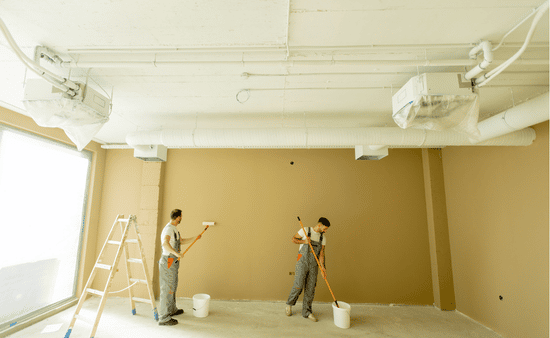
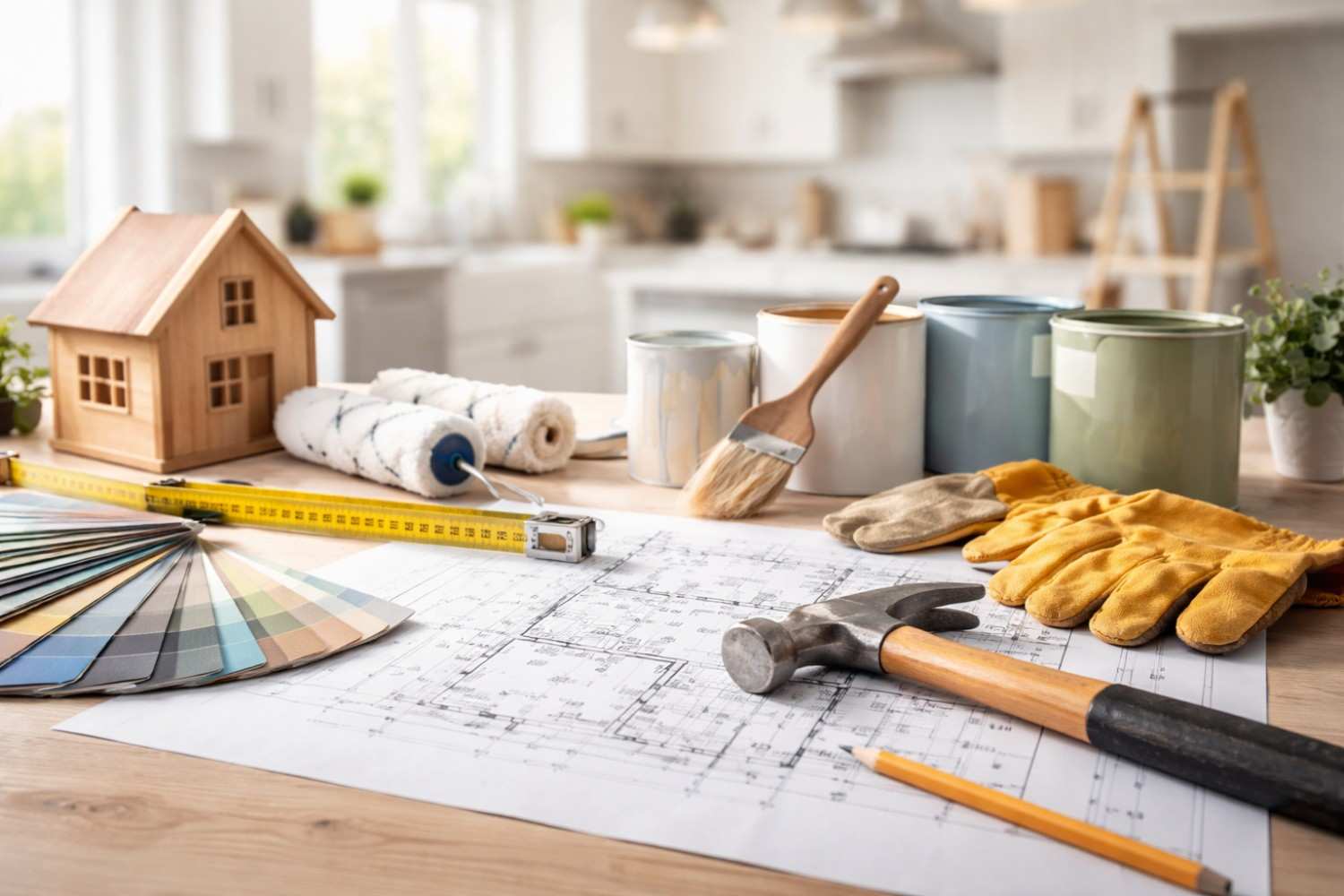
High-traffic commercial spaces experience significant wear and tear on walls, baseboards, and doors. Scuffed paint and chipped door frames make a business look unprofessional and neglected. Keep touch-up paint on hand to fix minor blemishes as they occur. Plan to repaint high-traffic areas, like lobbies and hallways, every few years to maintain a clean and modern aesthetic.
7. Maintain Landscaping and Exterior Grounds
First impressions matter. Overgrown shrubs and dead grass signal neglect to anyone approaching your building. Trim trees away from the roofline to prevent branches from causing structural damage during severe storms. Keep the lawn mowed, replace dead plants promptly, and ensure the irrigation system distributes water evenly without flooding the nearby walkways.
8. Test Safety and Fire Equipment
Compliance with fire safety regulations is non-negotiable. Inspect all fire extinguishers monthly to verify they are fully charged and easily accessible. Test emergency exit signs, smoke detectors, and carbon monoxide alarms routinely. Run scheduled fire drills to ensure all building occupants understand the evacuation routes, and have a licensed technician service your sprinkler system annually.
9. Establish a Daily Cleaning Schedule
A clean environment boosts employee morale and leaves a positive impression on visiting clients. Develop a comprehensive daily cleaning checklist that covers vacuuming, trash removal, and restroom sanitation. Pay special attention to high-touch surfaces like elevator buttons, door handles, and breakroom counters. Hiring a reliable commercial cleaning service ensures these tasks are completed consistently and to a high standard.
Long-Term Property Upkeep
Consistent property maintenance requires organization, dedication, and an eye for detail. By addressing mechanical, structural, and cosmetic needs proactively, you protect the people inside the building and the physical asset itself. Integrating these nine practices into your standard operating procedures ensures a safer, more efficient, and highly functional commercial space for years to come.