
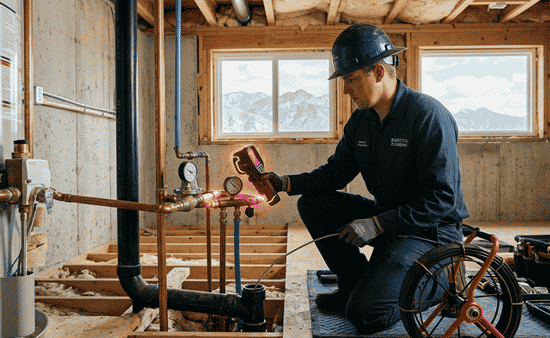
A professional plumbing assessment offers a clear and structured evaluation of a property’s water systems. This process focuses on identifying hidden concerns, verifying system efficiency, and ensuring that every component operates as intended. Careful inspection helps detect early signs of wear, leaks, or pressure irregularities before they develop into more serious issues. A well-executed assessment provides detailed insights that support better maintenance decisions.
In Bountiful, plumbing assessments typically follow a systematic approach designed to cover both visible fixtures and concealed connections. Technicians begin with a general overview and then move into targeted inspections based on system layout and usage patterns. Plumbing systems in Bountiful sometimes vary between properties, so each assessment adapts to the specific setup while maintaining consistent evaluation standards.
Initial System Review And Setup Analysis
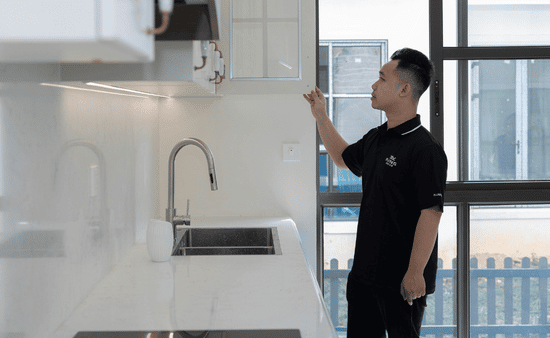
The first stage focuses on understanding the overall plumbing structure and identifying any immediate concerns. This step establishes a baseline for deeper inspection.
Visual Inspection Of Fixtures And Connections
Visible components such as faucets, exposed pipes, and drainage points are checked for corrosion signs, leaks, or improper fittings. Subtle indicators like discoloration or mineral buildup can reveal underlying issues. This inspection helps confirm whether each fixture is functioning within normal parameters.
Evaluation Of Water Pressure And Flow
Water pressure is measured to ensure it aligns with safe operating levels. Irregular pressure can strain pipes and affect appliance performance. Flow consistency is also assessed to determine whether blockages or internal restrictions are present within the system.
Detailed Component Testing And Diagnostics
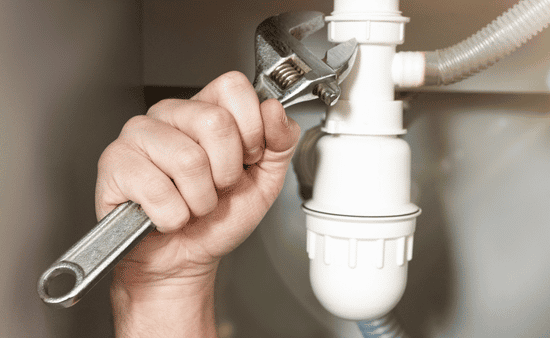
After the initial review, experts in Bountiful turn to deeper testing methods that provide more precise information about system performance.
Drainage And Pipe Condition Checks
Drain lines are examined to confirm proper flow and to identify buildup that may lead to slow drainage. Pipe interiors may be assessed using specialized tools to detect cracks, blockages, or structural weaknesses. These evaluations help prevent future disruptions by addressing early-stage concerns.
Water Heater And Supply Line Inspection
Water heaters are checked for efficiency, sediment accumulation, and temperature consistency. Supply lines connected to the unit are also reviewed to ensure stable operation. In Bountiful, plumbing assessments sometimes include this step to maintain reliable hot water delivery and reduce strain on connected components.
Leak Detection And Moisture Assessment
Hidden leaks can cause gradual damage if left unaddressed. Moisture control, floors, and concealed piping areas are evaluated to identify potential leaks. Accurate detection allows for timely corrections before structural damage develops.
- Checks for concealed moisture behind walls
- Identifies slow leaks affecting system pressure
- Evaluates seals and joint integrity
System Efficiency And Performance Review
Each component is tested to confirm that it contributes to overall system balance. Efficiency checks ensure that water usage remains consistent without unnecessary waste. Adjustments may be recommended to improve performance and maintain long-term stability.
- Assesses water usage patterns
- Verifies proper function of valves and regulators
- Identifies areas requiring calibration or adjustment
Clear Reporting And Maintenance Guidance
Once the assessment is complete, findings are organized into a detailed report. This report outlines observed conditions, highlights areas needing attention, and provides practical recommendations for maintenance or repair. Clear documentation helps property owners understand the current state of their plumbing system without confusion.
Follow-up guidance sometimes includes scheduling routine maintenance and addressing minor issues before they escalate. A professional plumbing assessment not only identifies existing concerns but also supports ongoing system reliability. This structured approach ensures that every component continues to function efficiently over time.